
How Your Helmet Choice Could Change Everything After a Motorcycle Crash in Texas
If you or someone you love suffered catastrophic injuries in a motorcycle crash, the decision to wear or not wear a helmet may directly affect your injury claim’s value. Texas does not require all adult riders to wear helmets, but insurance companies routinely use helmet choice to reduce or deny compensation. Under Texas’s proportionate responsibility framework in Chapter 33 of the Texas Civil Practice and Remedies Code, a jury can assign fault percentages to injured riders and reduce damages accordingly. Even when another driver caused the wreck, your helmet decision could cost you tens or hundreds of thousands of dollars.
If you suffered a serious motorcycle injury in San Antonio, Wyatt Law Firm is ready to fight for every dollar you deserve. Call 210-340-5550 or reach out to our team today to discuss your case.
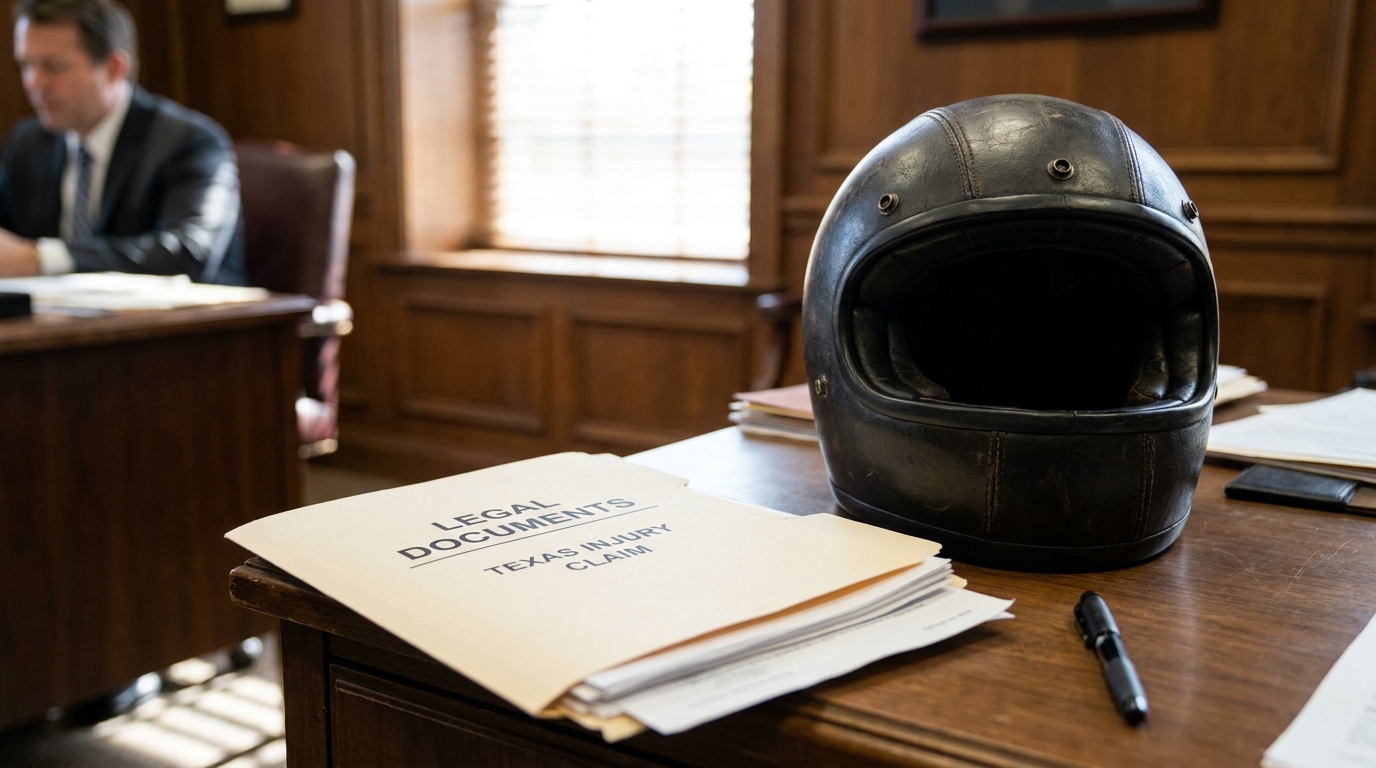
The Stark Reality of Motorcycle Crash Injuries in San Antonio
Motorcycle crashes produce traumatic brain injuries, spinal cord damage, crushed limbs, and death at rates that dwarf other vehicle categories. Per vehicle miles traveled in 2023, motorcyclists were about 28 times more likely than passenger car occupants to die in a motor vehicle crash. In 2023, 6,335 motorcyclists were killed across the United States, representing 15% of all traffic fatalities.
San Antonio’s sprawling highway system, heavy commercial truck traffic, and year-round riding weather create conditions where catastrophic collisions happen with devastating frequency. When an insurance adjuster argues that your loved one’s helmet choice contributed to their brain injury, the stakes become even higher.
💡 Pro Tip: Document every crash scene detail immediately, including photographs of your helmet (or absence of one), vehicle damage, road conditions, and witness contact information. This evidence becomes essential when fighting helmet-based fault arguments.
What Texas Law Actually Says About Motorcycle Helmets
Texas Helmet Requirements for Adult Riders
Texas does not impose a universal helmet mandate on all adult motorcyclists. Under Texas Transportation Code §661.003, riders aged 21 and older may legally ride without a helmet if they either complete an approved motorcycle safety course or carry a qualifying health insurance plan providing medical benefits for motorcycle-related injuries. However, what is legal and what protects your injury claim are two very different things.
How Legality Differs from Liability
The fact that riding without a helmet is legal does not prevent insurance companies from arguing it worsened your injuries. The defense does not need to prove you broke the law. They only need to convince a jury that your choice not to wear a helmet contributed to the severity of your head or brain injuries. Research confirms that motorcycle helmets are 37% effective in preventing death and 65% effective in preventing brain injuries, giving defense attorneys powerful courtroom ammunition.
💡 Pro Tip: Even if legally permitted to ride without a helmet, gather medical records that distinguish between injuries caused by crash impact and injuries an insurer might attribute to helmet absence. Detailed medical narratives from treating physicians can counter the helmet defense.
San Antonio Motorcycle Accident Lawyer Explains the Helmet Defense
The "helmet defense" is a tactic insurance companies and defense attorneys use to shift blame onto the injured rider. The at-fault driver’s insurer argues that while their policyholder caused the collision, your traumatic brain injury, skull fracture, or fatal head wound would have been less severe or prevented had you worn a DOT-compliant helmet. They then ask the jury to assign you a percentage of fault for failing to mitigate your injuries.
This defense is deployed aggressively in motorcycle injury cases across Bexar County and throughout Texas. Insurance adjusters understand the statistics and weaponize that decision in settlement negotiations and at trial.
Paula Wyatt and the team at Wyatt Law Firm know how to dismantle these tactics. The key is demonstrating that the other driver’s negligence, not the rider’s helmet choice, was the proximate cause of catastrophic harm. A skilled San Antonio motorcycle accident lawyer builds the case around impact force, collision violence, and the totality of injuries sustained.
How Texas Comparative Negligence Law Applies to Your Motorcycle Injury Claim
The 51% Bar Rule Under Chapter 33
Texas follows a modified comparative negligence system codified in Chapter 33 of the Texas Civil Practice and Remedies Code. Under Tex. Civ. Prac. & Rem. Code §33.001, a claimant may not recover damages if their percentage of responsibility exceeds 50%. This is the 51% bar rule. If a jury finds you 51% or more at fault, you receive zero compensation.
How Fault Percentages Reduce Your Recovery
If you are found partially at fault but at 50% or below, your damages are reduced proportionally. Under Tex. Civ. Prac. & Rem. Code §33.012(a), the court shall reduce damages recovered by a percentage equal to the claimant’s percentage of responsibility.
Here is what that looks like in practice:
| Scenario | Jury Fault Assignment to Rider | Total Damages Awarded | Amount Rider Receives |
|---|---|---|---|
| Helmet worn, no fault assigned | 0% | $1,000,000 | $1,000,000 |
| No helmet, minor fault for injury severity | 15% | $1,000,000 | $850,000 |
| No helmet, significant fault assigned | 40% | $1,000,000 | $600,000 |
| No helmet, majority fault assigned | 51% | $1,000,000 | $0 (barred) |
The difference between a 15% fault finding and a 51% fault finding can mean substantial compensation versus nothing. This is why the helmet defense is so dangerous in catastrophic injury and wrongful death cases, and why having a relentless motorcycle crash attorney in San Antonio matters enormously.
💡 Pro Tip: Texas’s proportionate responsibility framework applies broadly to all tort-based causes of action. If you were injured in a motorcycle wreck, Chapter 33 rules govern your claim, and insurance companies know how to use them against you.
Fighting Back Against Insurance Tactics That Minimize Your Claim
Insurance companies raise the helmet defense to reduce the average motorcycle accident payout they owe you. Their adjusters are trained to shift responsibility onto injured people, and helmet choice is one of their most effective tools.
A strong legal strategy can counter the helmet defense through:
- Presenting biomechanical evidence showing collision forces exceeded what any helmet could have mitigated
- Demonstrating the rider’s most severe injuries, such as spinal cord damage or crushed extremities, had nothing to do with head protection
- Challenging the causation link between helmet absence and specific injuries claimed
- Introducing testimony from treating physicians who can distinguish impact-caused injuries from those arguably related to helmet use
Paula Wyatt fights these battles because she understands what is at stake. A traumatic brain injury reshapes an entire family’s future. Every percentage point of fault matters, and every dollar of compensation matters.
💡 Pro Tip: If an insurance adjuster suggests partial fault for your injuries, do not agree to a recorded statement or accept a quick settlement. Anything you say can be used to inflate your assigned percentage of responsibility under Texas law.
What Riders Should Know About Helmet Standards and Protecting Their Rights
NHTSA recommends always wearing a helmet meeting U.S. Department of Transportation Federal Motor Vehicle Safety Standard (FMVSS) 218, identified by the DOT symbol on the outside back. Wearing a compliant helmet does more than protect your skull. It removes one of the most powerful tools the defense has to reduce your compensation.
For riders wearing helmets at the time of a wreck, preserving that helmet as evidence is essential. The helmet tells a story about impact force, direction, and severity that can powerfully support your claim. For riders not wearing helmets, a San Antonio motorcycle accident lawyer can build a case strategy minimizing the impact of that decision on your recovery.
Frequently Asked Questions
1. Can I still recover compensation if I was not wearing a helmet during my motorcycle wreck in Texas?
Understanding Recovery Without a Helmet
Yes, in many cases you can still recover compensation. Texas law does not automatically bar your claim for choosing not to wear a helmet. However, under Tex. Civ. Prac. & Rem. Code §33.012(a), the jury may assign you a percentage of fault for contributing to injury severity, proportionally reducing your damages. You are only barred from recovery if the jury finds you more than 50% responsible.
2. How does the helmet defense actually work in a Texas motorcycle injury case?
The Mechanics of the Helmet Defense
The defendant argues your injuries, particularly head and brain injuries, would have been less severe had you worn a helmet. They use statistical evidence showing helmets are 37% effective in preventing death and approximately 69% effective in preventing head injuries to persuade the jury to assign you partial fault. Your attorney must counter with evidence showing the crash itself, not helmet choice, caused your catastrophic harm.
3. Does Texas require adult motorcyclists to wear helmets?
Texas Helmet Law for Adults
Texas does not require all adults to wear helmets. Under Texas Transportation Code §661.003, riders 21 and older may ride without one if they meet specific conditions, including either completing an approved motorcycle safety course or carrying qualifying health insurance. However, this legal freedom does not shield you from comparative fault arguments in personal injury claims.
4. What is the 51% bar rule and how could it eliminate my motorcycle accident claim?
The Threshold That Ends Your Case
Under Tex. Civ. Prac. & Rem. Code §33.001, if the jury assigns you more than 50% of total responsibility for your injuries, you recover nothing. This makes the helmet defense particularly dangerous in cases involving traumatic brain injuries, where insurers argue a helmet would have prevented or reduced harm.
5. Should I talk to an insurance adjuster after my San Antonio motorcycle wreck?
Protecting Yourself from Recorded Statements
You should not provide a recorded statement to the other driver’s insurance company without legal counsel. Adjusters are trained to ask questions designed to establish your contributory negligence, including detailed questions about helmet use. Anything you say can be used to inflate your percentage of fault and reduce or eliminate your recovery.
When Everything Is on the Line, You Need a Fighter in Your Corner
A motorcycle crash that leaves you with a traumatic brain injury, a shattered spine, or takes the life of someone you love demands an attorney with tenacity to stand up to insurance companies that exploit every angle to pay you less. The helmet defense is just one of many tactics they deploy, and it requires a calculated, evidence-driven response to overcome.
Paula Wyatt and Wyatt Law Firm have spent decades fighting for victims of catastrophic injuries and wrongful death across San Antonio and Texas. If you or a loved one suffered life-altering harm in a motorcycle crash, call 210-340-5550 or contact us now for a case evaluation. You do not have to face this fight alone.