
The Deadly Risk of Carbon Monoxide Poisoning From a Car in Your Garage
Yes, a running car in a garage can absolutely cause fatal carbon monoxide poisoning, and it can happen far faster than most people realize. Carbon monoxide is a colorless, odorless gas that kills without warning, and a vehicle idling in an enclosed or attached garage is one of the most common sources of deadly CO buildup. Every year, more than 400 Americans die from unintentional carbon monoxide poisoning not linked to fires, and over 100,000 people visit emergency departments for CO exposure. In San Antonio, where attached garages are standard in many homes and rental properties, inadequate ventilation, missing CO detectors, or unsafe conditions can lead to catastrophic brain injuries or wrongful death.
If your family has suffered a serious carbon monoxide injury or lost a loved one due to negligence, Wyatt Law Firm is ready to fight for you. Call Paula Wyatt at 210-340-5550 or reach out to our team today for a free consultation.
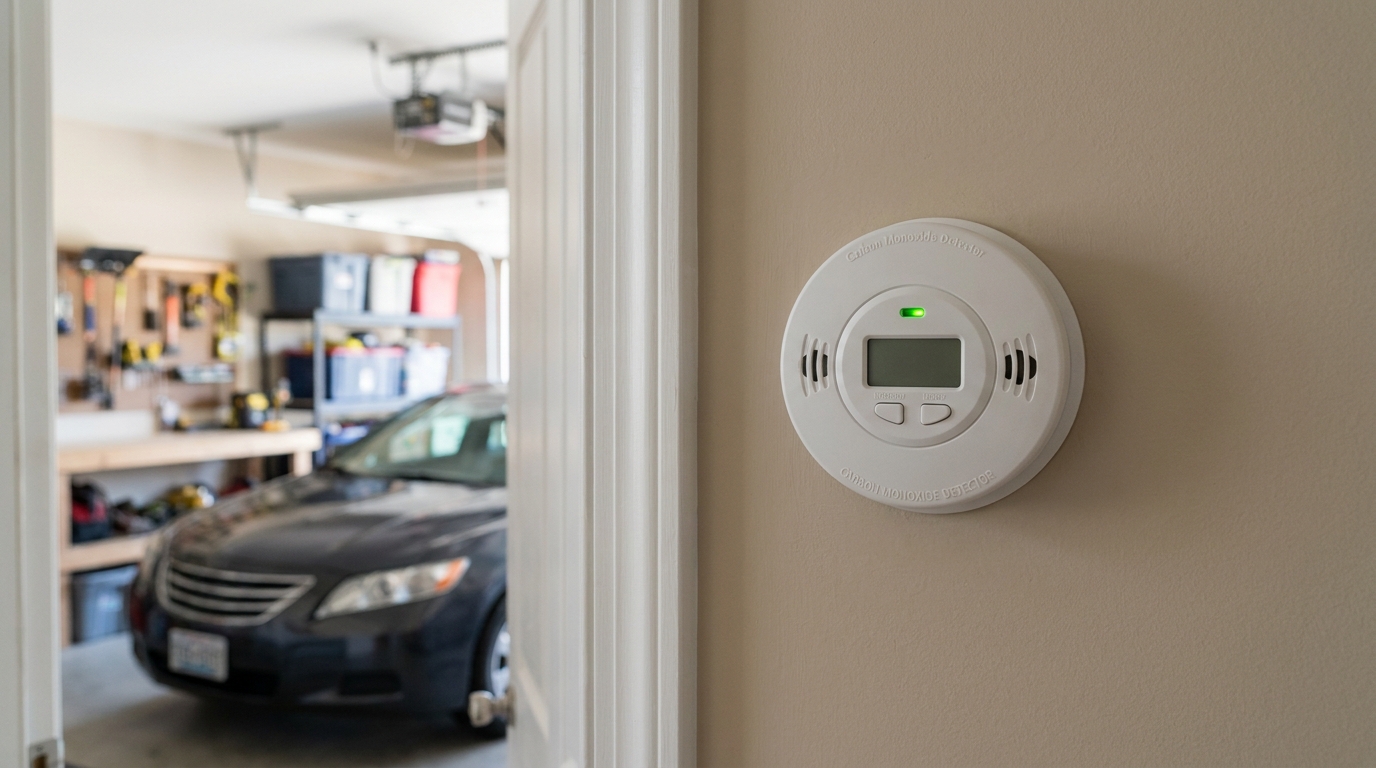
How Carbon Monoxide Poisoning From a Car Happens
Carbon monoxide is produced when fuel burns in a vehicle’s engine and becomes lethal when it accumulates in confined spaces. When a car idles inside a garage, especially one attached to a home, CO builds up indoors and poisons people and animals who breathe it. The gas replaces oxygen in red blood cells, starving your brain, heart, and vital organs.
You cannot detect carbon monoxide with your senses. You cannot smell, taste, or see it, earning it the name "the silent killer." Victims often have no idea they are being poisoned until it is too late. People who are sleeping or impaired can die from CO exposure before experiencing a single symptom.
💡 Pro Tip: Install a battery-operated CO detector on every level of your home and near sleeping areas. It’s the only reliable way to detect carbon monoxide.
Why Garages Are Especially Dangerous for CO Buildup
Enclosed and poorly ventilated spaces dramatically increase the risk of fatal carbon monoxide accumulation. A garage traps air by design. Even with the door open, ventilation may be insufficient to prevent dangerous CO concentrations. The CDC warns against CO exposure in this scenario, stating you should never run a car inside a garage attached to a house, even with the door open. WebMD echoes this warning, advising against leaving a car running in a garage even when fully open.
In San Antonio, extreme summer heat often leads people to start vehicles in the garage to run air conditioning before driving. This routine habit can turn deadly in minutes. CO poisoning from vehicle exhaust doesn’t require hours of exposure, lethal concentrations can develop within minutes depending on space size, vehicle type, and ventilation.
Who Is Most Vulnerable
Certain individuals face greater risk from carbon monoxide exposure. Infants, the elderly, and people with chronic heart disease, anemia, or breathing problems are more likely to suffer serious harm at lower concentrations than healthy adults. This heightened vulnerability is critical in establishing severity of harm in wrongful death and catastrophic injury cases.
💡 Pro Tip: If you experienced CO symptoms in a rental property, hotel, or workplace, immediately request maintenance and inspection records for HVAC systems, gas appliances, and CO detectors. These records may be critical evidence for legal claims.
Recognizing the Symptoms of Carbon Monoxide Poisoning
CO poisoning symptoms are deceptive because they mimic the flu. Early signs include headache, dizziness, weakness, nausea, and confusion. As exposure continues, victims may experience loss of consciousness, permanent brain damage, and death. Because symptoms seem ordinary, victims and medical professionals often initially misdiagnose the condition.
| CO Exposure Level | Symptoms | Potential Outcome |
|---|---|---|
| Low (headache, mild dizziness) | Flu-like symptoms, nausea | May resolve if victim reaches fresh air quickly |
| Moderate (confusion, impaired judgment) | Vomiting, chest pain, blurred vision | Risk of lasting neurological damage |
| High (loss of consciousness) | Seizures, cardiac arrest | Permanent brain injury or death |
Standard pulse oximeters may give inaccurate readings for people exposed to carbon monoxide, meaning CO poisoning can go undetected without specific blood testing. Normal carboxyhemoglobin (COHb) levels for nonsmoking adults are generally less than 3 percent. Levels above this range may indicate CO exposure and require immediate medical evaluation.
💡 Pro Tip: If you suspect CO exposure, specifically tell emergency room staff and request a carboxyhemoglobin blood test. Standard pulse oximeters cannot rule out CO poisoning.
Long-Term Consequences of Severe CO Exposure
Survivors of serious carbon monoxide poisoning often face devastating, lifelong consequences including permanent cognitive impairment, memory loss, personality changes, cardiac damage, and chronic neurological conditions. Severe cases leave victims with permanent disabilities preventing them from working or living independently. Families face enormous medical bills, lost income, and the emotional toll of caring for a permanently altered loved one.
Liability in Carbon Monoxide Poisoning Car Cases in San Antonio
When carbon monoxide poisoning results from negligence, Texas law may provide grounds for personal injury or wrongful death claims. Under Texas Civil Practice and Remedies Code § 16.003, the statute of limitations for personal injury claims is generally two years from the date of injury. For wrongful death claims, the two-year period begins on the date of death.
Liability in CO poisoning garage cases can fall on multiple parties, including:
- Landlords or property owners who failed to install or maintain CO detectors
- Property managers who ignored ventilation deficiencies in attached garages
- Manufacturers of defective vehicle exhaust systems or faulty CO detectors
- Contractors who improperly installed or serviced gas appliances or ventilation systems
To build a strong claim, victims must establish duty, breach, causation, and damages. This means showing the responsible party owed a duty of care, failed to meet that duty, and that failure directly caused the injuries or death. Recoverable damages may include medical costs, lost wages, pain and suffering, loss of companionship, and wrongful death damages.
💡 Pro Tip: Preserve all evidence. Photograph the scene, keep medical records and bills, save communications with landlords or property managers, and don’t allow property repairs until evidence is documented. This evidence can make or break your case.
Protecting Your Legal Rights After CO Exposure
Time is critical after a carbon monoxide incident. Evidence can disappear quickly. Landlords may repair or replace equipment. If you or a loved one has suffered injury or death from vehicle carbon monoxide exposure, taking immediate action to preserve evidence and consult an attorney is essential. An experienced legal team can retain investigators, secure maintenance logs, and identify every negligent party.
What to Do If You Suspect Carbon Monoxide Poisoning From a Car
If you believe someone has been exposed to carbon monoxide, act immediately. Get everyone into fresh air. Call 911. Don’t re-enter the property until emergency responders confirm it’s safe. Seek medical attention even if symptoms seem mild, the full extent of CO damage may not be apparent for hours or days.
After the emergency, begin documenting everything. Write down a timeline of events, symptoms each person experienced, and any communication with property owners. If negligence caused the exposure through a dangerous exhaust system, lack of CO detectors, or unsafe garage ventilation, you may have a right to pursue compensation. According to Everyday Health, CO poisoning risk increases substantially in enclosed or poorly ventilated areas.
💡 Pro Tip: Even if symptoms resolve quickly, follow up with your doctor within 48 hours. Delayed neurological symptoms can appear days or weeks after exposure, and early documentation strengthens health outcomes and legal claims.
Frequently Asked Questions
1. How quickly can a running car in a garage cause carbon monoxide poisoning?
Can CO reach deadly levels in minutes?
Yes. Depending on garage size, vehicle type, and ventilation, carbon monoxide can reach life-threatening concentrations within minutes. The CDC warns that CO builds up rapidly indoors. Never idle a vehicle in an enclosed space.
2. Can I sue a landlord if carbon monoxide from a garage poisoned my family?
What legal options exist for tenants harmed by CO?
In many cases, yes. If a landlord failed to provide functioning CO detectors, adequate ventilation, or safe premises, they may be liable for injuries or deaths. Under Texas law, tenants who suffer harm due to landlord negligence may pursue claims for medical expenses, lost wages, pain and suffering, and wrongful death damages.
3. What should I do if I suspect CO poisoning but my symptoms went away?
Are resolved symptoms still a medical concern?
Absolutely. Carbon monoxide poisoning can cause delayed neurological symptoms appearing days or weeks after initial exposure. Even if you feel better, seek medical evaluation and request a carboxyhemoglobin blood test. Document everything for potential health effects and legal claims.
4. Does Texas law require CO detectors in rental properties?
What are landlords required to provide?
Texas law does not impose a statewide mandate for CO detectors in all rental properties. However, landlords owe a general duty of care to tenants under Texas premises liability law. Failure to warn about known CO risks or maintain safe conditions may constitute negligence. Local ordinances in some cities may impose additional requirements.
5. What damages can I recover in a fatal carbon monoxide poisoning car case in Texas?
What compensation is available to grieving families?
Texas wrongful death claims under Civil Practice and Remedies Code § 71.004 may allow surviving spouses, children, and parents to recover damages for loss of companionship, mental anguish, loss of support, and loss of inheritance. Through a survival action under § 71.021, the estate may recover funeral expenses and medical costs. In cases involving gross negligence, exemplary damages may be available under § 71.009.
Take Action to Protect Your Family’s Future
Carbon monoxide poisoning from a running car in a garage is preventable, and when negligence causes catastrophic injury or death, responsible parties must be held accountable. If your family has been devastated by serious carbon monoxide injury or wrongful death in San Antonio or anywhere in Texas, you deserve a legal advocate with the tenacity and proven track record to fight for full compensation. Paula Wyatt and the Wyatt Law Firm stand with victims and families, with the experience and determination to take on the parties responsible for your suffering.
Don’t wait while critical evidence disappears. Call Paula Wyatt at 210-340-5550 or contact Wyatt Law Firm now for a free consultation. Your fight for justice starts today.