
Key Takeaways:
Carbon monoxide poisoning symptoms closely mirror flu symptoms, making misdiagnosis a serious and potentially fatal risk in San Antonio homes. Texas law requires landlords to maintain safe conditions under the Texas Property Code, ensuring functional smoke alarms, though no statewide CO detector mandate exists. CO is an odorless, colorless gas from common sources like furnaces, gas ovens, and fireplaces. Delayed recognition can lead to catastrophic brain injuries, organ damage, or death. Victims may have strong legal claims if landlord negligence allowed the exposure.
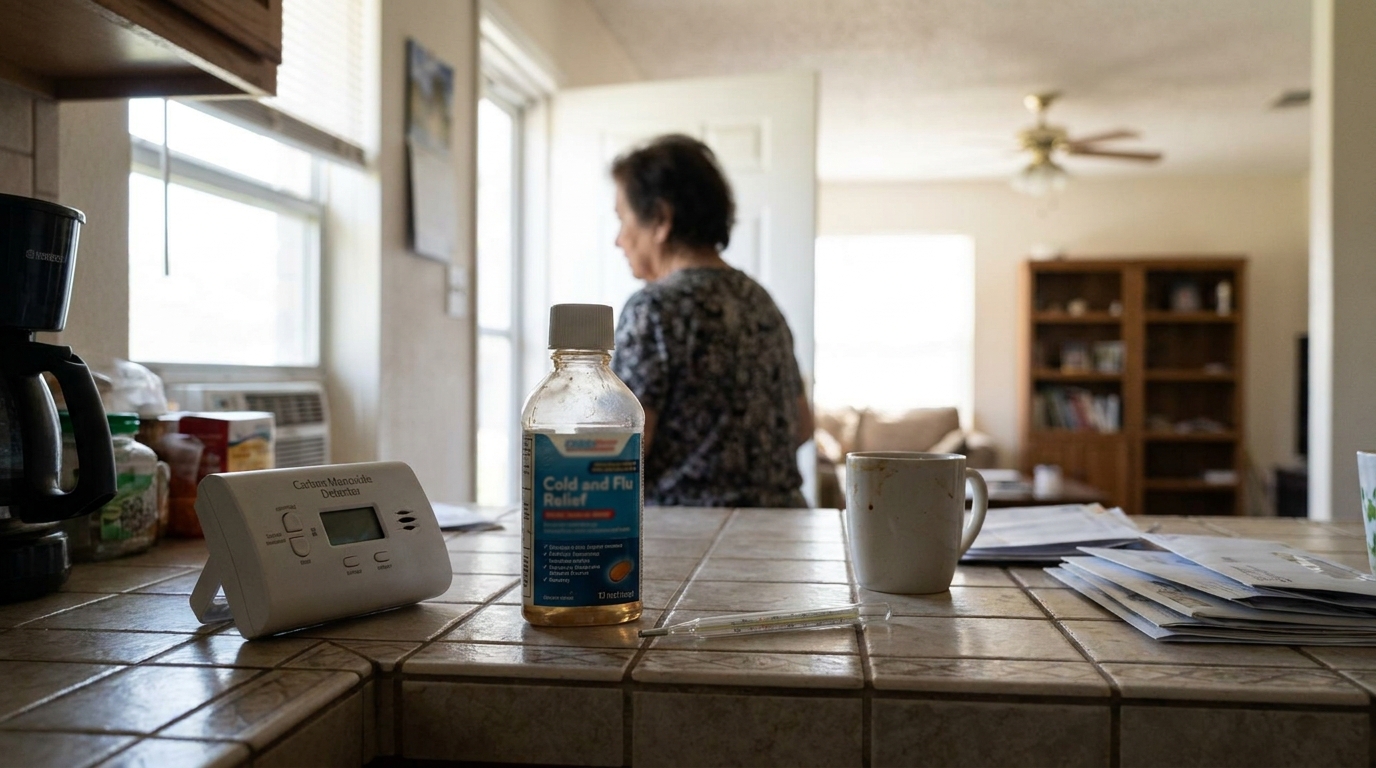
Yes, carbon monoxide poisoning symptoms are routinely mistaken for the flu, and that misdiagnosis can prove deadly. Across San Antonio, families in homes with aging furnaces, faulty gas appliances, or poor ventilation face an invisible danger. Carbon monoxide is an odorless, colorless gas created when fuels burn incompletely. When inhaled, CO replaces oxygen in your bloodstream, depriving vital organs of what they need to survive. Symptoms include shortness of breath, dizziness, nausea, headache, and confusion, identical to seasonal viruses. This assumption can cost lives. Because symptoms so closely resemble common illness, the NFPA notes that CO exposure incidents are widely underreported.
If you or a loved one suffered serious injury from carbon monoxide exposure in a San Antonio home, you do not have to face this alone. Wyatt Law Firm fights relentlessly for victims of catastrophic CO poisoning. Call 210-340-5550 or reach out to our team today for a free consultation.
Why Carbon Monoxide Is So Dangerous in San Antonio Homes
Carbon monoxide attacks silently, giving victims no sensory warning before serious harm occurs. Unlike gas leaks with distinct odors, CO provides zero indication without a functioning alarm. San Antonio homes commonly contain multiple CO sources: oil or gas furnaces, gas ovens, wood-burning fireplaces, and charcoal grills. During cooler months, increased heating system use raises risk in homes with deferred maintenance or blocked ventilation.
CO exposure follows a dangerous pattern. Mild exposure produces headache, nausea, vomiting, and fatigue, symptoms dismissed as "flu-like." Prolonged or high-level exposure causes permanent brain damage, cardiac injury, and death. Families mistaking CO sickness for a virus may sleep in contaminated homes night after night, suffering cumulative organ damage.
💡 Pro Tip: If multiple household members develop headache, nausea, or dizziness simultaneously, and symptoms improve when leaving home, treat this as a CO emergency. Leave immediately and call 911.
How Misdiagnosis Compounds the Harm
When clinics see patients with headache, nausea, and fatigue, flu is often diagnosed first. Without requesting a carboxyhemoglobin blood test, CO poisoning goes undetected. This sends victims back into contaminated homes where exposure continues and injuries deepen. Families with young children, elderly members, or those with heart or lung conditions face greater risk from oxygen deprivation.
Misdiagnosis also erodes critical evidence. When CO exposure isn’t identified promptly, connecting symptoms to landlord negligence becomes harder. Medical records documenting only "viral syndrome" may need supplementing with testimony linking symptom timeline to exposure source.
💡 Pro Tip: Ask your doctor to test blood carboxyhemoglobin levels if you suspect CO exposure. This test confirms poisoning and creates medical records strengthening legal claims.
Texas Landlord Duties That Protect Tenants from CO Exposure
The Duty to Repair Dangerous Conditions
Texas law obligates landlords to address safety hazards. Under Texas Property Code § 92.052, landlords must make diligent efforts to repair conditions materially affecting tenant physical health or safety after receiving proper notice, provided the tenant is current on rent. CO leaks from malfunctioning furnaces, water heaters, or gas lines fall within this duty. When San Antonio landlords receive notice of potential CO issues and fail to act, that inaction may establish liability.
Texas Property Code § 92.0561 further empowers tenants to repair or remedy conditions materially affecting health or safety when landlords fail to act after proper written notice and reasonable response time. CO infiltration clearly qualifies as such a condition.
Smoke Alarm Requirements and CO Detection Gaps
Landlords must ensure functional smoke alarms under Subchapter F of the Texas Property Code. Under Texas Property Code § 92.258, landlords must confirm smoke alarms work at lease commencement and repair them after tenant notice of malfunction. Texas Property Code § 92.259 establishes landlord liability for failure to install required smoke alarms at occupancy or failure to install, inspect, or repair within reasonable time after written notice. However, Texas lacks statewide CO detector requirements for landlords. Some municipalities may impose CO detector mandates, and the NFPA recommends CO alarms outside each sleeping area. Even without specific CO detector mandates, landlord failure to maintain appliances allowing dangerous CO accumulation may create liability under § 92.052’s general duty to repair hazards.
💡 Pro Tip: Document every written landlord request about detectors, repairs, or safety concerns. Keep copies of texts, emails, and letters. Texas law ties landlord liability to notice and response timeline.
| Texas Statute | Landlord Obligation | Relevance to CO Cases |
|---|---|---|
| TX Property Code § 92.052 | Diligent repair of conditions affecting tenant health/safety after notice | Covers CO leaks from faulty appliances or HVAC |
| TX Property Code § 92.0561 | Tenant’s right to repair when landlord fails to act | Empowers tenants facing ongoing CO exposure |
| TX Property Code § 92.258 | Inspect and maintain smoke alarms | Ensures detector function; no statewide CO mandate |
| TX Property Code § 92.259 | Install smoke alarms at occupancy; respond after notice | Creates liability for missing or broken alarms |
CO Migration in Multi-Family Housing and Shared-Wall Homes
Carbon monoxide does not respect walls, floors, or property boundaries. In San Antonio’s multi-family complexes, duplexes, and shared-wall homes, CO from one unit’s faulty appliance can migrate to neighboring units. Under Texas Civil Practice and Remedies Code § 75.002(h), property owners may be liable for trespass from migration of an air contaminant as defined by Texas law, but only upon showing actual and substantial damages. Victims must demonstrate documented harm through medical records, treatment history, and evidence linking exposure to source.
Early medical documentation is critically important. Unrecorded CO poisoning or symptoms attributed to flu won’t satisfy the burden of proving actual and substantial damages.
💡 Pro Tip: In multi-unit buildings, alert neighbors if you suspect CO exposure. Multiple affected households strengthen evidence of a common source and help identify leak origin.
Protecting Your Legal Rights After CO Exposure
Time Limits for Filing a Claim
Texas generally imposes a two-year statute of limitations on personal injury claims. Under Texas Civil Practice and Remedies Code § 16.070, no contract or lease can shorten this period below two years. This protection matters for victims whose injuries were initially misdiagnosed, as delayed discovery can shorten the effective filing window.
Courts interpret tolling exceptions narrowly. Don’t assume delayed diagnosis automatically extends deadlines. Consult a CO poisoning attorney in San Antonio promptly to ensure no critical deadlines are missed.
Habitability as an Independent Legal Claim
Texas Property Code § 92.052 provides tenants an independent right to habitable dwellings separate from smoke alarm and security device requirements in other subchapters. San Antonio tenants suffering CO poisoning from landlord failure to maintain appliances or ensure proper ventilation can pursue habitability claims even if detector arguments are complicated.
💡 Pro Tip: Preserve maintenance logs, inspection records, and landlord communications. Photograph appliances, vents, and detector locations. This evidence proves landlord breach of duty in CO injury cases.
Steps to Take If You Suspect Carbon Monoxide Exposure
Acting quickly protects both health and legal rights. If you suspect exposure:
- Leave immediately and move to fresh air. Don’t re-enter until responders confirm safety.
- Call 911 and report suspected CO exposure for fire department testing.
- Seek emergency medical treatment and request a carboxyhemoglobin blood test.
- Document everything: photograph appliances, detectors, and maintenance issues.
- Save medical records, utility bills, and landlord communications.
These actions create the foundation for future claims. In carbon monoxide cases in San Antonio, case strength often depends on how thoroughly evidence was preserved immediately following exposure. Find additional resources on our legal blog.
Frequently Asked Questions
1. Can carbon monoxide poisoning really be mistaken for the flu?
Yes. CO poisoning produces headache, nausea, dizziness, fatigue, and confusion, nearly identical to flu symptoms. Without blood tests measuring carboxyhemoglobin levels, even medical professionals may attribute symptoms to viral illness.
2. What are my legal options if my landlord failed to maintain CO safety?
While Texas lacks statewide standalone CO detector requirements, landlords must maintain smoke alarms under Texas Property Code §§ 92.258 and 92.259 and address conditions materially affecting tenant health under § 92.052. If landlord failure to maintain appliances or ventilation contributed to your CO exposure and injuries, you may have grounds for claims based on the general duty to repair hazardous conditions.
3. How long do I have to file a carbon monoxide poisoning lawsuit in Texas?
Texas applies a two-year statute of limitations to personal injury claims. Under Texas Civil Practice and Remedies Code § 16.070, no lease can reduce this below two years. Seek legal guidance promptly, particularly if CO exposure was initially misdiagnosed.
4. Can I hold my landlord responsible without a detector law violation?
Yes. Texas Property Code § 92.052 imposes a duty to repair conditions materially affecting tenant health or safety, independent of smoke alarm requirements. If landlord failure to maintain appliances, HVAC, or ventilation created dangerous CO conditions, liability may arise under this general habitability duty.
5. What evidence supports a CO poisoning claim in San Antonio?
Strong claims rely on medical records confirming elevated carboxyhemoglobin levels, documentation of CO source, maintenance records, written landlord communications, and evidence of landlord notice of hazardous conditions. For multi-family housing claims, Texas Civil Practice and Remedies Code § 75.002(h) requires proof of actual and substantial damages.
No One Should Suffer Because a Preventable Danger Went Undetected
Carbon monoxide poisoning causes traumatic brain injuries, permanent organ damage, and death. When landlords ignore maintenance obligations, fail to install detectors, or dismiss tenant complaints, they endanger families. The fact that CO poisoning symptoms mirror the flu makes this danger more insidious, victims may not realize what’s happening until damage is catastrophic and irreversible.
Paula Wyatt and Wyatt Law Firm have the tenacity and proven track record to hold negligent parties accountable for devastating harm caused by carbon monoxide exposure. If you or someone you love suffered serious CO poisoning injuries, call 210-340-5550 or contact us now to discuss your case in a free consultation.