
San Antonio’s June 2026 Wrong-Way Deaths Raise a Hard Question: what damages can you recover in Texas wrongful death lawsuits?
Key Takeaways: Two fatal wrong-way crashes in San Antonio in June 2026 highlight how families can respond when a loved one is killed in a preventable collision. In Texas, surviving spouses, children, and parents may bring wrongful death claims for their losses, while the estate may pursue a separate survival action for the deceased’s pre-death injuries. Recoverable damages include lost financial support, loss of companionship, funeral expenses, medical bills, and pre-death pain and suffering. Recovery depends on proving wrongful conduct, causation, and legally recognized damages. Texas generally imposes a two-year filing deadline, so families benefit from acting quickly to preserve evidence and protect their claims.
Two wrong-way crashes San Antonio 2026 families are discussing force grieving relatives to confront urgent legal and financial questions while processing devastating loss. When a fatal head-on collision San Antonio families never anticipated occurs, the civil case often turns on how quickly evidence is preserved, liability is proven, and what damages Texas law permits.
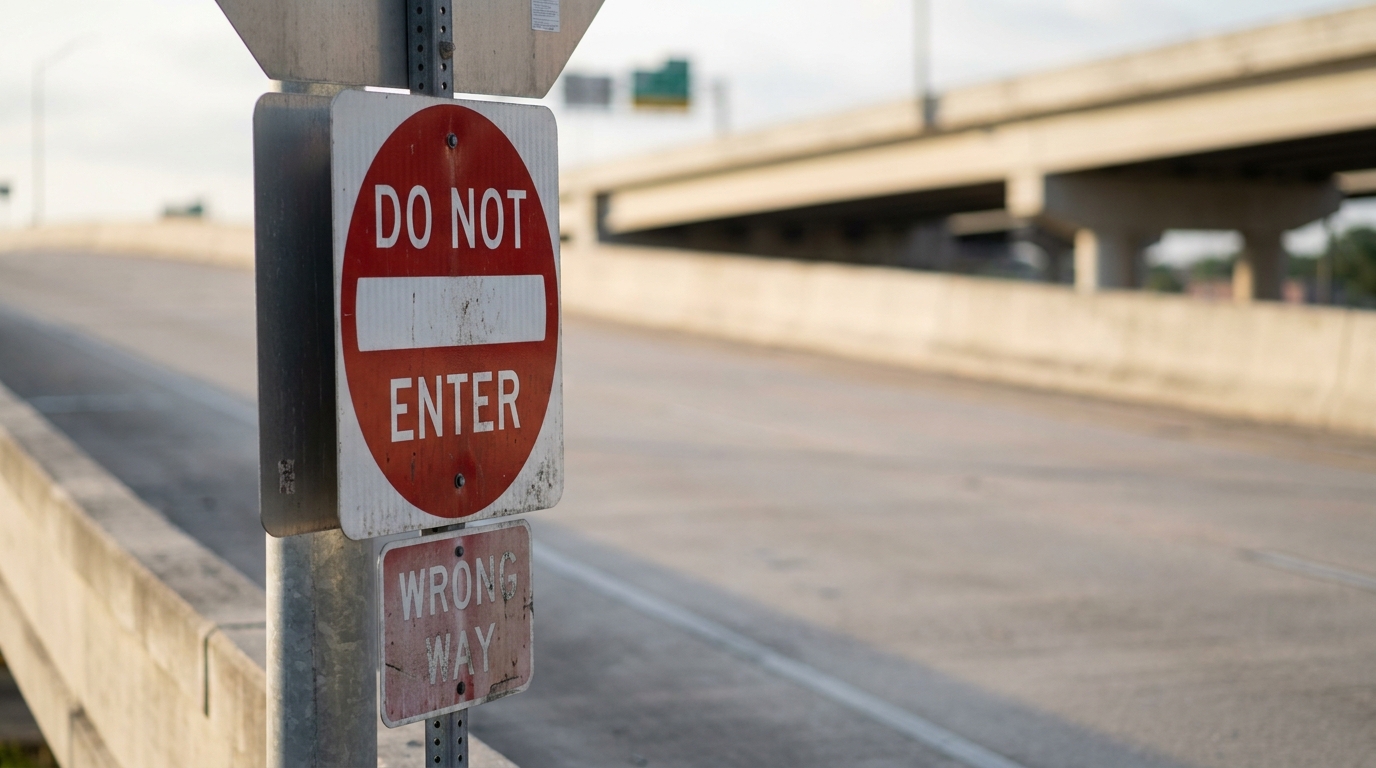
Why these June 2026 crashes matter under Texas wrongful death law
For families in San Antonio Texas, legal stakes become immediate. A wrongful death in San Antonio Texas case involves insurance coverage, police investigations, medical records, crash reconstruction, and statutory deadlines that continue running while loved ones arrange funerals and mourn.
Texas treats fatal vehicle collisions as more than isolated traffic events. When death results from another’s wrongful conduct, surviving family members may have a civil claim under Texas wrongful death law, and the estate may have a separate survival claim under Chapter 71. These are different claims with different requirements, including rules about who may file and what losses may be pursued.
That distinction is important for wrongful death claim Texas families. A wrongful death claim focuses on losses suffered by eligible surviving relatives because of the death. A survival action addresses claims the deceased could have brought, including pre-death injuries and related losses.
The legal analysis starts with wrongful conduct, not just tragedy. Not every death creates a valid civil claim. Texas law requires proof that death was caused by wrongful conduct, which depends on facts, evidence, and legal duties involved.
What can make a wrong-way driver’s conduct legally significant?
Wrong-way driver liability Texas cases turn on whether conduct was negligent, reckless, or otherwise wrongful. Texas law makes reckless driving a criminal offense when a person drives with wilful or wanton disregard for safety. In civil cases, such violations may support breach of duty arguments, especially when investigators conclude the motorist entered a highway against traffic and caused a fatal impact.
Leaving the scene after a deadly crash also affects cases. Under Texas Transportation Code Chapter 550, drivers involved in crashes causing death must stop, determine whether aid is needed, and remain until legal duties are fulfilled. Review the duty to stop after a fatal crash to understand how seriously Texas treats this conduct. Failure to stop may expose drivers to criminal consequences and strengthen civil arguments that conduct was egregious.
Insurance is often the first practical source of recovery
Insurance frequently becomes the first place families look for compensation after San Antonio highway fatalities June 2026. Texas requires drivers to maintain financial responsibility, usually meaning liability insurance. In catastrophic cases, the at-fault driver’s policy is the primary available source, even when limits are far lower than actual losses.
Comparative fault can still matter in a fatal collision case
Even in severe cases, fault allocation may be contested. Texas follows modified comparative negligence under proportionate responsibility rules. Under Section 33.001, claimants generally cannot recover if their responsibility exceeds 50 percent, meaning defense arguments about speed, impairment, or lane position may arise. Families should expect insurers to examine every crash detail, making early preservation of black-box data, toxicology results, surveillance footage, and scene measurements critical.
A San Antonio family’s hypothetical after a fatal head-on collision
When a wrong-way driver kills a San Antonio mother in a head-on crash, her spouse plans a funeral, her children lose daily care, and the household loses major income. Eligible relatives may pursue wrongful death actions for their losses, and the estate may have survival claims tied to pre-death injuries. Families trying to understand who can file a wrongful death claim in San Antonio discover eligibility rules are specific.
Evidence may be fragile. Highway footage may be overwritten, damaged vehicles repaired or destroyed, and witnesses harder to locate. Prompt investigation helps preserve proof of how the crash happened and why civil accountability should follow.
what damages can you recover in Texas wrongful death lawsuits when a loved one is killed?
The answer depends on the claim type. In wrongful death cases, recoverable damages include losses sustained by eligible surviving family members. In survival actions, the focus shifts to losses connected to the decedent’s pre-death injuries.
Wrongful death damages may address the family’s losses
Wrongful death lawsuit damages may include several harm categories. Families may seek compensation for lost financial support, lost household services, lost care, lost counsel, and emotional consequences of losing a spouse, parent, or child. Heavily disputed issues involve value of lost earning capacity, benefits, and non-economic loss of companionship, society, and guidance.
These claims are not one-size-fits-all. Damages available to a surviving spouse differ from those affecting minor children or parents. Proof requires detailed presentation of the family’s relationship, the decedent’s household role, employment history, and long-term death effects.
Survival claims may cover losses the deceased person suffered before death
A survival action is legally distinct, even when filed alongside wrongful death cases. If the victim lived after the crash, the estate may pursue damages related to conscious pain and suffering, medical expenses, and other losses sustained before death. Families learning about what damages can you recover in Texas wrongful death lawsuits lawyer issues should understand these categories are analyzed separately from the family’s wrongful death losses.
That difference matters in catastrophic cases. Victims who endured emergency treatment, surgery, or awareness before death may leave claims with substantial significance. Medical timelines, ICU records, and witness observations become central to establishing damages.
Practical categories families often need to document
Damages proof is built document by document. Common categories include:
- funeral and burial expenses
- loss of earning capacity and employment benefits
- loss of household contributions
- loss of companionship, care, and guidance
- pre-death medical expenses
- pre-death pain and suffering in a survival claim
Each category requires different proof. Employment files, tax returns, medical records, photographs, witness statements, and expert testimony may all play roles. Courts scrutinize whether claimed damages are recoverable and tied closely to wrongful conduct.
Deadlines can quietly decide the case before it begins
Texas deadlines are unforgiving. Texas law generally gives families two years from death to file wrongful death lawsuits, with the same period for survival claims based on personal injury. Review the Texas limitations statute for governing text on filing periods.
Missing deadlines puts claims at serious risk. Courts interpret tolling exceptions narrowly, so families shouldn’t assume extra time without legal analysis. Government claims may trigger separate notice requirements arising sooner than civil statutes of limitations.
Why acting early helps beyond the filing deadline
The calendar matters for reasons beyond filing suit. Before two years expire, evidence may degrade, vehicle modules lost, and insurance positions hardened. Acting promptly allows families to secure records, identify potentially responsible parties, and evaluate whether additional defendants should be investigated.
This is especially true if the wrong-way collision forms part of a larger fatal crash pattern San Antonio residents notice. If road design, signage, work-zone conditions, or alcohol service contributed, investigations may be more complex. Outcomes depend on investigation quality and timing.
What grieving families should do in the first days and weeks
First steps after fatal crashes can shape claim strength. Families should consider:
- request the crash report and incident number
- preserve photographs, videos, and voicemail messages
- avoid detailed recorded statements before understanding claims
- keep funeral, burial, and medical expense records
- identify witnesses and the victim’s household role
- preserve the vehicle for inspection
These steps matter because insurers evaluate exposure early. Once vehicles are salvaged or witnesses disappear, recovering evidence becomes difficult. A serious wrongful death attorney Texas families trust focuses first on preserving proof, identifying insurance, and building records reflecting the full loss.
How Does This Impact Me?
If my loved one died in one of the wrong-way crashes, do I automatically have a claim?
Not automatically. Viable claims depend on proving wrongful conduct, causation, and damages under Texas law. Available evidence, eligible claimants, and comparative responsibility arguments affect cases.
Does this change my deadline to file?
Generally, no. Texas wrongful death claims usually must be filed within two years of death. Courts construe exceptions narrowly. If government entities are involved, separate administrative notice deadlines may arise sooner.
What if the at-fault driver had little or no insurance?
That may complicate recovery but doesn’t end inquiry. Additional avenues may exist, including other liable parties, insurance policies, or uninsured/underinsured motorist coverage. Recovery depends on careful investigation into ownership, employment, and applicable policies.
Can more than one type of claim be filed after a fatal crash?
Yes, in many cases. Texas families may have wrongful death claims and separate survival actions, but these are legally different with different damage categories. Which claims to pursue depends on family structure, estate posture, and medical facts before death.
What should my family do before talking to the insurance company?
Move carefully and avoid assuming insurers evaluate losses fairly. Gather records, preserve evidence, and understand who may legally assert claims before giving statements or accepting payment, particularly in catastrophic fatal cases.
When accountability matters as much as compensation
Two fatal wrong-way crashes in San Antonio in June 2026 have left families asking whether preventable deaths will be investigated with deserved seriousness. In Texas, the answer depends on whether surviving relatives act in time to preserve evidence, identify viable claims, and document the full scope of wrongful death lawsuit damages.
For families facing the unthinkable, clarity matters as much as speed. Understanding what damages can you recover in Texas wrongful death lawsuits is about securing accountability, protecting those left behind, and ensuring a life isn’t reduced to an insurance file number.