
When the Unthinkable Happens on San Antonio Roads
Key Takeaways: After a fatal accident in San Antonio, the steps a grieving family takes in the first hours and days can shape their ability to seek justice under Texas law. The three most critical actions are preserving evidence before it disappears, understanding who has legal standing to file, and acting within the statute of limitations. Skid marks, footage, and witness memories fade quickly, so documenting and protecting proof is essential. Texas limits wrongful death beneficiaries to the surviving spouse, children, and parents, and also recognizes common-law spouses. Families generally must file within two years of the date of death, though shorter notice deadlines may apply when a government entity is involved.
Losing a loved one in a fatal accident is a devastating blow that no family should ever face alone. In the chaos and grief that follow a deadly crash or catastrophic event, the steps you take in the first hours and days can shape your family’s ability to seek justice. While nothing can undo your loss, Texas law gives surviving families a path to hold negligent parties accountable. The three most important steps are preserving evidence, understanding who may legally bring a claim, and acting before the legal deadline runs out.
At Wyatt Law Firm, attorney Paula Wyatt has spent decades as a relentless advocate for the grieving and the wronged, fighting corporate defendants and insurance companies on behalf of catastrophically injured Texans. If your family is navigating the aftermath of a fatal accident, call 210-340-5550 or reach out to our team now to learn how Wyatt Law Firm can stand in your corner.
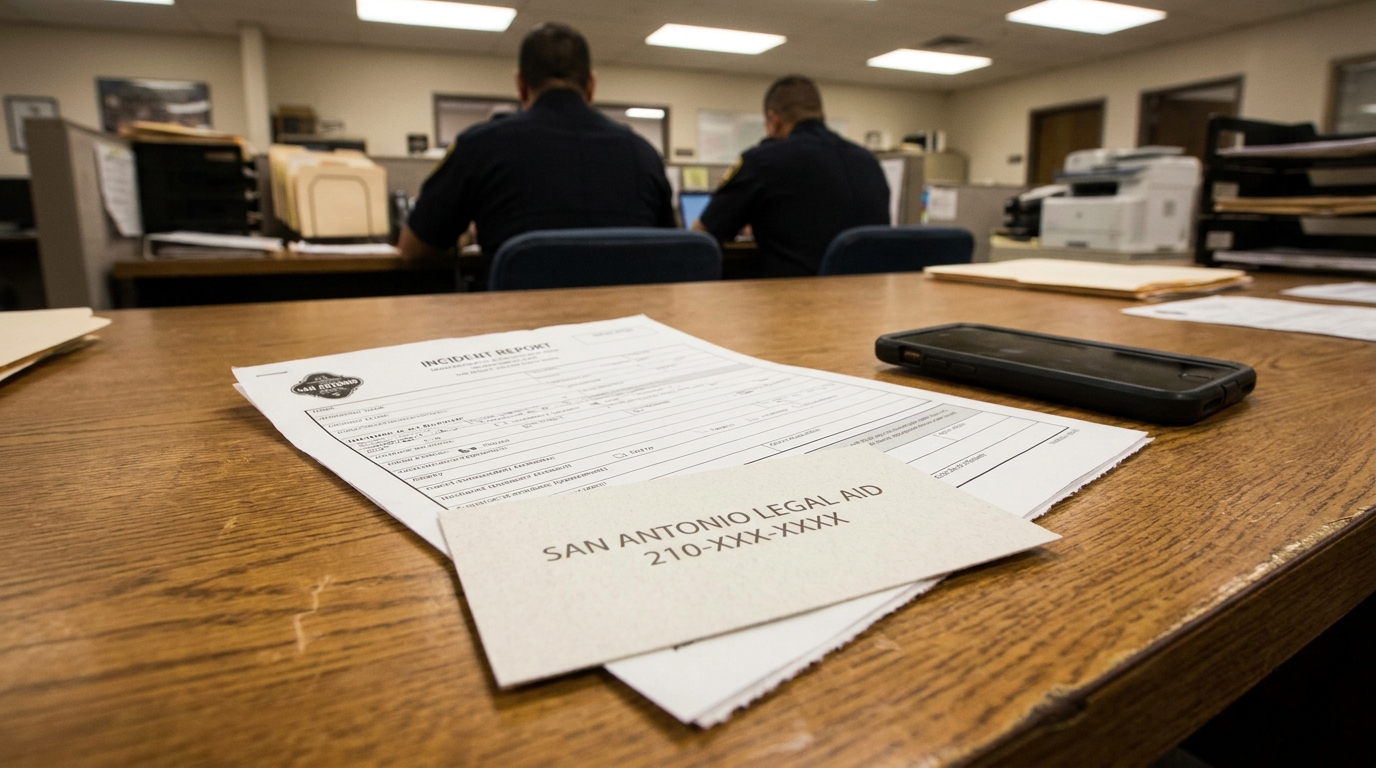
Step One: Preserve Critical Evidence Before It Disappears
The strength of any wrongful death case depends heavily on the evidence gathered in the earliest stages. Skid marks fade, vehicles get repaired or scrapped, surveillance footage is overwritten, and witnesses’ memories blur. Acting quickly to document and protect this proof is one of the most important steps after a fatal accident in San Antonio.
Texas provides meaningful safeguards for official evidence. Under the Texas Code of Criminal Procedure governing inquests, when a justice of the peace conducts an inquest, they must preserve all tangible evidence that tends to show the real cause of death or identify the person who caused it (TX § 49.17). The statute directs that evidence be deposited with the appropriate law enforcement agency for safekeeping. In Bexar County, where San Antonio is located, death investigations are generally conducted by the medical examiner’s office, though the goal of preserving forensic evidence remains the same.
Why Official Evidence Is Legally Protected
Texas recognizes that critical forensic proof must not be lost or destroyed. In fatal crashes involving an impaired driver, the law mandates the retention and preservation of toxicological evidence in certain intoxication-related offenses (TX § 38.50). This means blood alcohol data and similar forensic material may be preserved and later accessible to support a civil wrongful death claim.
💡 Pro Tip: Even though official evidence is legally protected, it is not automatically handed to your family. A fatal accident lawyer in San Antonio can formally request access to inquest evidence and toxicology results before they become difficult to obtain.
Building the Negligence Case
Proving fault is the foundation of every wrongful death claim. To recover, a family generally must establish a negligent or wrongful act, that the act proximately caused the death, and that compensable damages resulted. In some cases, the doctrine of negligence per se can simplify this burden. Under this doctrine, a defendant’s violation of a statute, such as a traffic law enacted to protect a class of people from a particular harm, may establish the duty and breach elements, though the plaintiff must still prove causation.
Key categories of wrongful death evidence in Texas often include:
- Police and inquest reports documenting the cause of death
- Toxicology and forensic data, especially in suspected DWI cases
- Surveillance or dashcam footage and physical evidence from the scene
- Eyewitness statements and accident reconstruction findings
- Medical records and economic loss documentation
Step Two: Understand Who Can File a Wrongful Death Claim
Not everyone who grieves a loss has the legal standing to bring a wrongful death lawsuit. Texas law limits who may serve as a beneficiary, and confusion here can cost families valuable time. Generally, wrongful death beneficiaries in Texas are limited to the decedent’s surviving spouse, children, and parents. Siblings and other more distant relatives do not have standing to recover.
Notably, Texas is one of the minority of states that recognizes common-law (informal) marriage, meaning a surviving common-law spouse may qualify as a beneficiary if the requirements for a valid informal marriage are met.
Beneficiaries and Derivative Claimants
Texas statutes define the parties to these claims with precision. Under the Civil Practice and Remedies Code on wrongful death actions, a "derivative claimant" is a person whose damages were caused by personal injury to or the wrongful death of another (TX § 71.051(h)(1)). To understand the broader framework, families may find it helpful to review what qualifies as a wrongful death claim San Antonio families can pursue.
It is also important to recognize that wrongful death and survival action claims are distinct legal actions. While they share similarities and are often filed together, they carry different statutory requirements, including who can file them.
💡 Pro Tip: If multiple family members are eligible beneficiaries, coordinating early can prevent disputes and procedural delays. In many cases, a single lawsuit is brought for the benefit of all eligible surviving family members.
| Wrongful Death Claim | Survival Action Claim |
|---|---|
| Compensates surviving family members for their own losses | Recovers damages the decedent could have claimed before death |
| Filed by spouse, children, or parents | Brought through the decedent’s estate |
| Focuses on loss of companionship and support | Focuses on the decedent’s pre-death pain and expenses |
Step Three: Act Within the Wrongful Death Statute of Limitations Texas Imposes
Perhaps no step is more time-sensitive than respecting the legal filing deadline. Under Texas Civil Practice and Remedies Code § 16.003, a person generally must file a wrongful death or personal injury lawsuit within two years of the date the cause of action accrues. For wrongful death claims, this two-year period typically begins at the date of the decedent’s death. Missing this window can permanently bar your family’s right to recover.
While Texas recognizes certain narrow exceptions that can affect timing, such as the discovery rule, claims involving minors, or fraudulent concealment, courts generally interpret these tolling and discovery rules narrowly. To understand how these timelines work in your situation, review our detailed guidance on the wrongful death statute of limitations Texas recognizes for surviving families.
💡 Pro Tip: The civil two-year statute of limitations is separate from any government administrative claim deadline. When a fatal accident involves a city bus or municipal vehicle, shorter notice requirements may apply, so do not assume you have the full two years.
Common Challenges Families Face in the Wrongful Death Lawsuit Process
The path to justice is rarely simple, and grieving families often encounter obstacles along the way. Wrongful death claims can arise from many circumstances, including automobile and workplace accidents, medical malpractice, and incidents that occur while a person is in law enforcement custody. Each type carries unique evidentiary and legal hurdles. Insurance companies may move quickly to limit their exposure, which is why having a powerful advocate matters.
Understanding the Texas wrongful death timeline and filing steps can feel overwhelming during a period of profound grief. A San Antonio fatal crash attorney can manage investigation, evidence preservation, expert coordination, and negotiation while your family focuses on healing.
Frequently Asked Questions
How long do I have to file a wrongful death claim in Texas?
Texas generally imposes a two-year deadline. Under § 16.003, families typically must file within two years of the date of death. Because limited exceptions exist and are interpreted narrowly, consult counsel promptly.
Who can bring a wrongful death lawsuit in San Antonio?
Only certain family members have legal standing. In Texas, the surviving spouse, children, and parents of the decedent may generally file. Texas also recognizes common-law spouses as potential beneficiaries.
What is the difference between wrongful death and survival claims?
They are distinct but related actions. A wrongful death claim compensates surviving family members for their losses, while a survival action recovers damages the decedent could have pursued. They are often filed together but carry different requirements.
How does negligence per se help my case?
It can simplify proving fault. When a defendant violates a statute meant to protect a class of people from a specific harm, such as a traffic law, the duty and breach may be established, though causation must still be proven.
What evidence is most important after a fatal accident?
Time-sensitive proof matters most. Police reports, toxicology data, scene evidence, and witness statements can be critical. Texas law requires certain official evidence to be preserved, but acting quickly helps ensure access.
Standing With San Antonio Families in Their Darkest Hour
The days after a fatal accident are among the most overwhelming a family can endure, but the steps you take now can protect your future. Preserving evidence, confirming who can legally file, and honoring the statute of limitations are the three pillars of a strong wrongful death case. Texas law provides meaningful protections, yet those protections require timely and informed action.
Paula Wyatt and the team at Wyatt Law Firm are recognized for handling catastrophic injury and wrongful death cases with unwavering tenacity and deep compassion. If your family has suffered a devastating loss, call 210-340-5550 or contact us today to discuss your options with Wyatt Law Firm and let us fight for the justice your loved one deserves.