
HBOT Records: The Evidence That Proves How Badly You Were Hurt
When carbon monoxide poisons your family, the treatment you receive in the emergency room becomes more than medical care. It becomes proof. Hyperbaric oxygen therapy is typically reserved for serious, potentially life-threatening exposures, making the records from that treatment among the most powerful evidence of severity available. For a catastrophically injured victim or a grieving family in San Antonio, those documents tell the story that words alone cannot. Understanding HBOT medical records is central to any strong claim. If you are searching for a carbon monoxide poisoning attorney, know this: the paper trail matters enormously, and it does not last forever.
At Wyatt Law Firm, we have recovered more than $1 billion for injured Texans, and we fight to protect that evidence from the first phone call. Founded in 1990, our firm is led by Paula Wyatt, a relentless trial lawyer recognized for standing with the injured and the grieving against corporate defendants and insurers. If your family faced hyperbaric oxygen therapy for carbon monoxide poisoning in San Antonio, do not wait. Call 210-340-5550 for a free, confidential consultation, or reach our team online. We are your voice.
We handle these cases through a plaintiff-side lens, and we welcome families researching their next steps. Our hyperbaric oxygen therapy carbon monoxide lawyer team focuses exclusively on serious, life-altering harm: permanent brain injury, disability, and wrongful death. This guide explains what your treatment records prove, how long Texas hospitals keep them, and why the clock is already running.
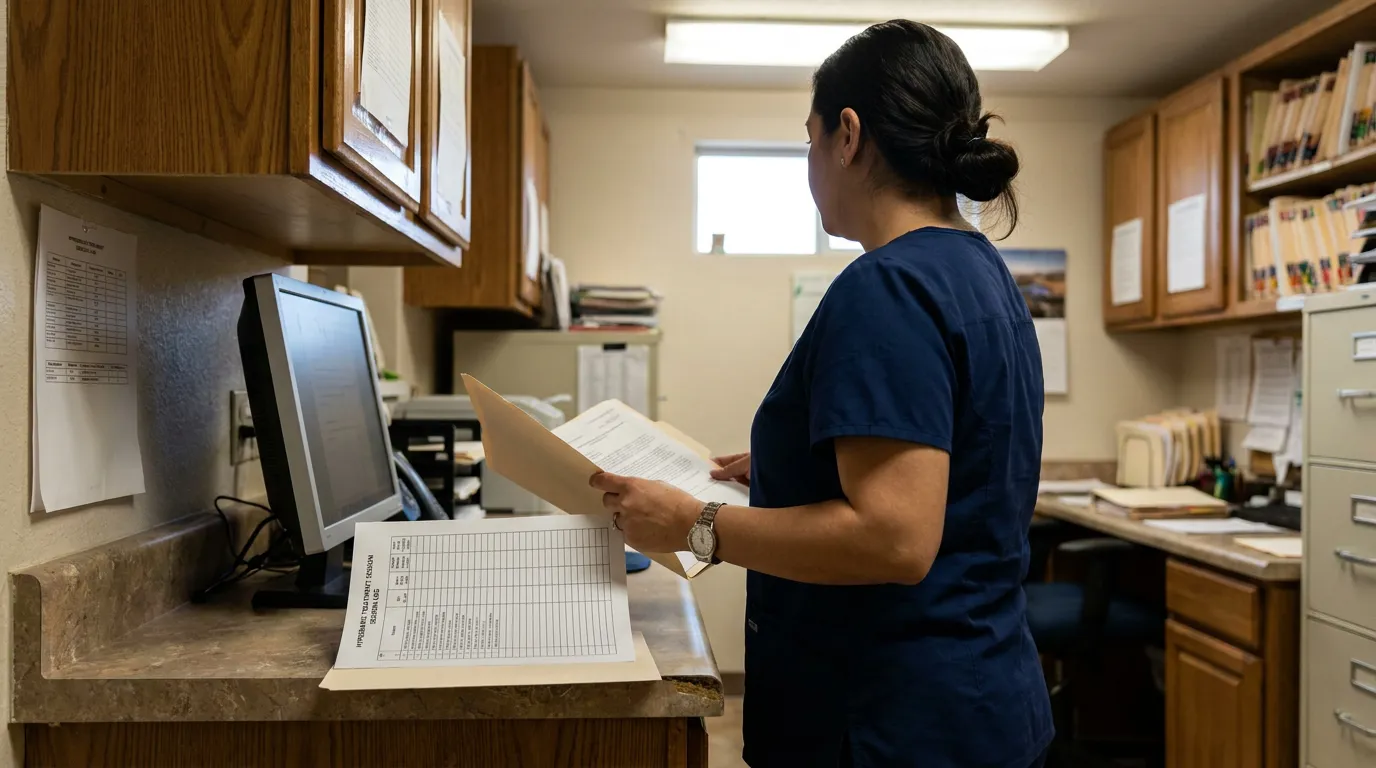
What Is Hyperbaric Oxygen Therapy for Carbon Monoxide Poisoning?
Hyperbaric oxygen therapy (HBOT) delivers 100% oxygen inside a pressurized chamber to drive carbon monoxide out of the blood and protect the brain and heart. In a Texas injury claim, HBOT records serve as key medical evidence, documenting that the poisoning was severe enough to require emergency, high-level treatment.
That clinical definition is neutral, but the legal meaning is not. When a physician orders hyperbaric treatment, it signals a poisoning far beyond a mild headache. It tells a jury that your exposure threatened your life. We use that fact to fight for the full value of your case.
Why HBOT Records Are Critical Evidence in a CO Injury Claim
HBOT records are critical because they connect the severity of your injury to the negligence that caused it. These documents supply the carbon monoxide claim proof that separates a life-altering case from a minor complaint. Texas tort law requires a plaintiff to plead and prove specific elements, and strong medical documentation supports each one.
Proving How Serious the Poisoning Really Was
The presence of hyperbaric treatment documentation is powerful proof of severity. Because doctors reserve HBOT for dangerous carbon monoxide levels, the records establish that your poisoning demanded aggressive intervention. Severe exposures frequently cause long-term brain injuries from carbon monoxide, including memory loss, cognitive decline, and permanent neurological damage. Those outcomes drive the value of a claim, and the treatment records help prove them.
Linking Negligence to Your Damages
Beyond severity, HBOT records help establish causation and damages. Under Texas law, a person harmed because someone else failed to do their job properly may have a viable personal injury claim. Your records tie the exposure to the emergency care you needed, supporting compensation for medical costs, lost wages, pain, and suffering. Texas cases can resolve through settlement or trial, and thorough documentation strengthens both paths.
💡 Pro Tip: Request a complete certified copy of every chamber session, physician order, and discharge summary as early as possible. Gaps in the record can become the exact spot an insurer attacks.
How Long Are HBOT Records Kept in Texas, and When Can They Be Destroyed?
Your HBOT records are only useful if they still exist when you pursue the claim, and Texas law lets hospitals destroy them on a separate clock. Understanding the retention lifecycle under the Texas hospital records law is essential to HBOT records preservation.
The 10-Year Hospital Disposal Rule
A Texas hospital may authorize disposal of a medical record on or after the 10th anniversary of the date the patient was last treated. Under Tex. Health & Safety Code § 241.103(a), your HBOT documentation is not required to be kept indefinitely. What this means: waiting a decade to act can leave your CO injury claim records gone for good.
The Longer Clock for Children
For children, the preservation clock runs longer. Tex. Health & Safety Code § 241.103(b) provides that, if the patient was younger than 18 when last treated, a hospital may not dispose of the records until the later of the patient’s 20th birthday or the 10th anniversary of the last treatment. A child poisoned today may still have accessible records into early adulthood, but families should never assume they will.
The Litigation Hold That Stops Destruction
Once litigation is active, the hospital may not destroy records tied to it. Under Tex. Health & Safety Code § 241.103(c), a hospital may not destroy medical records that relate to any matter it knows is in litigation that has not been finally resolved. This is why we move quickly to put hospitals on notice. A prompt litigation hold can freeze your Texas CO injury evidence in place before any disposal window closes.
Texas Deadlines That Make Your Records Urgent
Texas law imposes firm filing deadlines, and missing them can bar your recovery entirely. These deadlines are why gathering records early is not optional.
| Deadline | What It Governs | Authority |
|---|---|---|
| 2 years | Personal injury filing | Tex. Civ. Prac. & Rem. Code § 16.003(a) |
| 2 years from death | Wrongful death claims | § 16.003(b) |
| 120 days | Expert report, if a health care liability claim | § 74.351(a) |
Texas sets a two-year statute of limitations for personal injury claims. Under Tex. Civ. Prac. & Rem. Code § 16.003(a), a person generally must bring suit not later than two years after the cause of action accrues. Certain exceptions can apply, such as tolling for a claimant who was a minor or under a legal disability when the cause of action accrued, or the discovery rule in limited circumstances, but courts interpret them narrowly. Do not count on an extension.
For carbon monoxide injuries that result in death, a two-year period also applies. Section 16.003(b) provides that a suit for injury resulting in death must be brought not later than two years after the cause of action accrues, which occurs on the date of death and may be later than the date of the original exposure.
If your case is framed as a health care liability claim, a much shorter deadline appears. Under Texas’s expert report requirement, a claimant must serve one or more expert reports, with a curriculum vitae for each expert, within 120 days after each defendant’s original answer is filed. Well-documented HBOT records make producing that report far easier.
Who Is Liable, and How Records Connect Defendants to Your Injuries
Liability for carbon monoxide exposure often extends well beyond a single property owner. In a Texas premises case, a central question is who possesses and controls the property. That means landlords, property managers, tenants, lessees, and controlling contractors may each bear responsibility.
Multiple defendants can be pursued when more than one party contributed to the danger. Manufacturers of defective furnaces or water heaters may face products-liability exposure, while a negligent landlord may face premises-liability claims. Your HBOT records anchor each theory by proving the harm was real and severe. Parties who may be connected to a San Antonio personal injury claim include:
- Landlords and property managers who ignored dangerous conditions
- Contractors who improperly installed or serviced fuel-burning equipment
- Manufacturers of faulty appliances or missing safety devices
- Employers responsible for unsafe workplace ventilation
How Wyatt Law Firm Fights to Preserve and Leverage Your HBOT Records
We treat evidence preservation as job one, because a case is only as strong as the proof behind it. Since 1990, our firm has spent decades battling corporate defendants and insurance companies that would rather run out the clock than pay families what they are owed. Because personal injury claims can, in appropriate cases, yield compensation beyond a plaintiff’s exact losses, including exemplary damages where the high clear-and-convincing standard for fraud, malice, or gross negligence is met, these matters demand professional handling.
Our approach is built to protect your records and your future. We move fast to issue litigation holds, coordinate with treating physicians and qualified experts, and assemble the documentation that proves both liability and damages. Paula Wyatt fights to help families rebuild their lives after catastrophic harm, not to settle for a fraction of what a case is worth.
Frequently Asked Questions
How long do Texas hospitals keep hyperbaric oxygen therapy records? Generally, a hospital may dispose of a record on or after the 10th anniversary of the patient’s last treatment under Tex. Health & Safety Code § 241.103(a). For patients who were minors when last treated, records must be kept until the later of the patient’s 20th birthday or ten years after last treatment under § 241.103(b).
Can HBOT records be destroyed once I file a carbon monoxide lawsuit? No. Under Tex. Health & Safety Code § 241.103(c), a hospital may not destroy records related to a matter it knows is in litigation that has not been finally resolved.
How long do I have to file a carbon monoxide injury claim in San Antonio? Texas generally allows two years from when the cause of action accrues under Tex. Civ. Prac. & Rem. Code § 16.003(a), though limited exceptions such as minority or legal disability may apply. For claims involving death, the period runs two years from the date of death under § 16.003(b).
What evidence besides HBOT records proves a carbon monoxide claim? Maintenance logs, inspection reports, CO-level test results, appliance records, and expert reports all help. In health care liability claims, the 120-day expert report under § 74.351(a) can be essential.
What if the victim was a child? A minor’s records are preserved longer, and the limitations period may be tolled, so the timing of any claim can differ. Early legal guidance is wise.
Do Not Let Time Erase Your Strongest Proof
The records from hyperbaric oxygen therapy for carbon monoxide poisoning can be the difference between full accountability and a case that slips away. They prove how badly you were hurt, they connect that harm to those responsible, and they can be lawfully destroyed if no one acts to protect them. Deadlines are unforgiving, and courts apply exceptions narrowly. A trusted carbon monoxide poisoning attorney can move to preserve your evidence before it disappears.
When negligence steals your health or takes someone you love, you deserve a fighter who will not back down. Let Wyatt Law Firm stand up for your family today and pursue the full justice you are owed.