
When a Semi Truck Blind Spot No-Zone Turns Deadly: Preserving the Evidence After the High Five Crash
Key Takeaways: The fatal October 5 18-wheeler crash at the High Five interchange shows how quickly important truck evidence can disappear. Attorneys protect this data by sending spoliation and preservation letters right away, putting the carrier on notice of its duty to keep black box data, ELD logs, camera footage, driver files, and maintenance records. Chapter 72 of the Texas Civil Practice and Remedies Code sets special trial rules for commercial truck cases, including limits on requiring expert testimony to admit authenticated crash photos and videos, and the option of a two-phase trial. Federal rules on fatigue, texting, and hazardous conditions, along with Texas lane-use laws, give families clear standards for judging whether a semi truck blind spot no-zone lane change was negligent. Families generally have two years to file wrongful death and personal injury claims, with narrow exceptions, so they should avoid recorded statements with insurers and get a legal review early.
The fatal 18-wheeler crash at the High Five interchange on October 5 is another reminder of how fast a routine drive can end in tragedy. The interchange where U.S. 75 meets I-635 is one of the most complicated in Dallas. Its stacked ramps, merging lanes, and heavy commercial traffic leave very little room for mistakes. A fully loaded rig can weigh up to 80,000 pounds, and when it hits a passenger vehicle, the results are often fatal. Within hours, the trucking company and its insurer may already have investigators working on their side. Grieving families need to know that evidence can be lost unless someone moves quickly to protect it.
Why Texas Truck Crash Cases Follow Their Own Rulebook
Texas created special trial procedures for commercial truck cases, and they apply directly to fatal crashes like the one at the High Five. Chapter 72 of the Texas Civil Practice and Remedies Code was added by House Bill 19 in 2021. It covers civil actions seeking damages for bodily injury or death caused by an accident involving a commercial motor vehicle. The defendant must have operated the truck, employed the operator, or owned, leased, or otherwise controlled the truck or its driver. A claimant includes a person suing on behalf of an injured person or a decedent’s estate, so both wrongful death and survival claims can fall within these rules.
The statute defines a "commercial motor vehicle" broadly. It covers vehicles used in commerce to transport property or passengers or to provide services. A trailer counts when attached to or towed by a self-propelled vehicle, so a full 18-wheeler rig qualifies. The chapter can also reach crashes involving a stopped or parked truck.
Families and their attorneys can review these provisions directly in the Texas commercial vehicle trial statute. These rules affect what evidence a jury hears, when it hears it, and how the case against the trucking company is built.
A Dallas Family’s Nightmare: A Hypothetical
Picture a Richardson father driving home on U.S. 75 who enters the High Five’s southbound ramps at dusk. A loaded tractor-trailer in the next lane starts moving over without warning. His sedan sits in the truck’s right-side blind area, where the driver cannot see it in the mirrors. The trailer pushes his car against the barrier. He does not survive, and his wife and two teenage children are left with funeral costs, lost income, and no answers.
A few days later, an insurance adjuster calls and says it looks like the father drifted into the truck. The family has no dashcam footage, no access to the truck’s computer, and no idea that the carrier’s electronic records could be overwritten. A trial-ready legal team can send preservation demands right away, work to secure the truck’s data, and reconstruct the crash second by second.
How Attorneys Prove Fault in a Semi Truck Blind Spot No-Zone Collision
A semi truck blind spot no-zone crash often comes down to whether the driver changed lanes safely. Under Texas Transportation Code Section 545.060, a driver on a roadway divided into two or more clearly marked lanes must drive as nearly as practical entirely within a single lane and may not move from that lane unless the move can be made safely. A truck driver who moves into a car hidden alongside the trailer may have violated this duty, which can support a negligence claim.
Merging conflicts at the High Five may also bring in a second rule. Section 545.061 says that on a roadway with three or more lanes moving the same direction, a driver entering a lane from the right must yield to a vehicle entering the same lane from the left. Whether this applies depends on the lane configuration at the crash site.
The Federal Safety Baseline
Federal motor carrier rules apply to interstate commercial carriers nationwide, and Texas has adopted most of them for many intrastate carriers. The FMCSA driving regulations in Part 392 set standards attorneys commonly cite in truck crash litigation:
- Section 392.3 prohibits driving while fatigue, illness, or another cause impairs a driver’s ability or alertness. It also bars carriers from requiring or permitting that kind of driving.
- Section 392.14 requires extreme caution when hazardous conditions affect visibility or traction.
- Section 392.80 bans texting while driving a commercial motor vehicle.
Each of these rules can often be checked against hard data. Hours-of-service records may point to fatigue, phone records may show texting, and GPS and telematics may show the truck was going too fast for conditions.
Why Black Box and ELD Data Matter
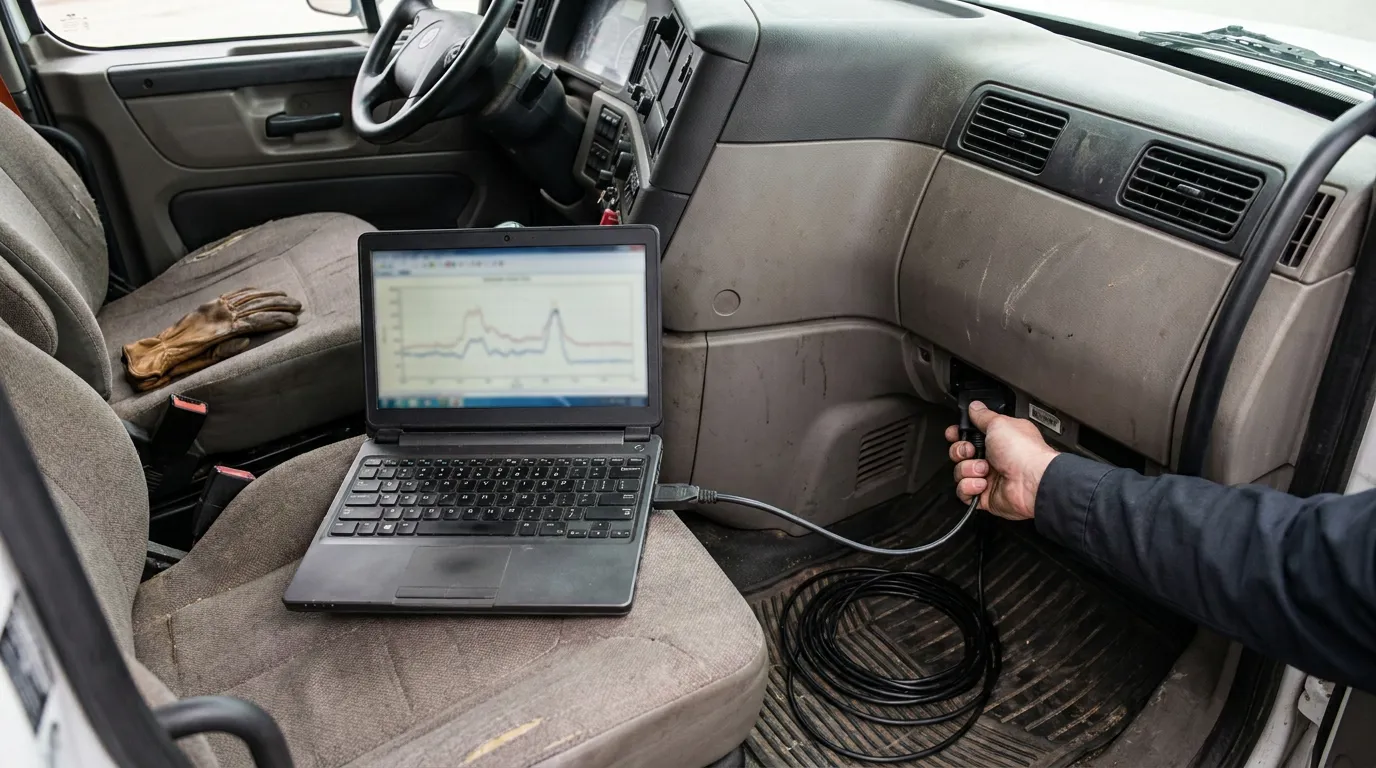
Electronic records often tell the story the trucking company would rather keep quiet. Engine control modules may record speed, braking, and throttle data, and electronic logging devices track hours of service. You can learn more about truck black box data and why it carries so much weight in serious crash cases. Without a prompt preservation demand, some of this data may be overwritten in the normal course of business.
Evidence Rules That Can Favor Grieving Families
Several Chapter 72 provisions make preserving evidence even more urgent. Under Section 72.055, a court may not require expert testimony to admit a photo or video of a vehicle or object involved in the crash, except as needed to authenticate it. An authenticated photo or video is presumed relevant and admissible, though the defendant can still challenge it under ordinary evidence rules. The statute defines "video" broadly, which can cover dashcams, traffic cameras, and inward-facing cab cameras.
Two-Phase Trials and Regulatory Violations
If a defendant files a timely motion, the court must split the trial into two phases. Phase one decides liability and compensatory damages, and phase two decides exemplary damages. The defendant must file the motion by the later of 120 days after filing its original answer or 30 days after a claim is added against it. If the carrier does not stipulate to vicarious liability, claims against the employer that depend on the driver’s negligence, such as negligent entrustment, may still be tried in phase one. If it does stipulate, those claims are generally barred from phase one, though they may still support exemplary damages in phase two.
A carrier may also try to narrow the case early. Under Section 72.054(a), and subject to exceptions in subsection (d), a trucking company can limit its liability for the driver’s ordinary negligence to respondeat superior by stipulating that the driver was acting within the scope of employment. Even so, Section 72.054(c) lets a claimant present certain evidence in phase one when the carrier is regulated under federal law or Chapter 644 of the Transportation Code. That evidence can include whether the driver was licensed, disqualified, under an out-of-service order, or medically certified, as well as hours-of-service violations, texting or handheld phone use, and failures to complete required background checks on new drivers. This is why securing driver files and drug-testing records early is so important.
Common Challenges Families Face
Trucking companies and insurers often move faster than grieving families can. Families in Dallas and across Texas run into the same obstacles again and again:
- Adjusters who push recorded statements before the family has legal guidance
- Data that may be overwritten if no one sends a preservation letter
- Carriers that blame the victim or point the finger at maintenance vendors
- Early offers that do not account for lifetime losses or long-term care needs
One practical step stands above the rest: protect the evidence before you talk to the insurer. A spoliation letter sent to the Dallas trucking company puts it on notice to preserve ELD records, camera footage, and maintenance files. Texas courts may impose remedies, such as a spoliation jury instruction, when a party with a duty to preserve evidence fails to do so.
How Does This Impact Me?
What Do These Texas Trucking Rules Mean for My Family’s Case?
They shape what evidence a jury may hear and when it hears it. Chapter 72 can make crash footage easier to admit, and it lets families present certain regulatory violations in phase one even when the carrier stipulates to vicarious liability. How the rules apply depends on the specific facts.
How Long Do I Have to File a Claim?
Texas generally allows two years to file most personal injury and wrongful death claims. For wrongful death, the two years usually runs from the date of death, which may be later than the date of the crash. Exceptions, such as when the claimant is a minor, may affect that deadline, and courts interpret them narrowly. Claims involving a government entity may carry much shorter notice deadlines, often six months or less, so getting a timely legal review matters.
Can I Still Recover if the Trucker Says He Never Saw My Loved One?
Not seeing a car in a blind spot does not automatically excuse a driver. Texas law requires a driver to change lanes only when it is safe. Telematics, camera footage, and black box data may show whether the driver checked mirrors, signaled, or rushed the move. Under Texas’s proportionate responsibility rules, a family can still recover if their loved one is found 50% or less at fault, but any recovery is reduced by that percentage.
What Should I Do Right Now?
Avoid giving recorded statements to the trucking company’s insurer, and keep every document you receive. Write down witness names and save any photos you have. Talking with an attorney who handles fatal truck crash evidence in Dallas can help ensure preservation demands go out quickly.
Standing Up for Families After the High Five Tragedy
The October 5 crash at U.S. 75 and I-635 is a reminder that a truck crash investigation is a race against time. Texas statutes, federal safety regulations, and the truck’s own electronic records can help show what really happened, but only if that evidence is protected. Paula Wyatt has been recognized as a Top 10 Trucking Trial Lawyer and has spent decades taking on corporate carriers and their insurers on behalf of families who have suffered catastrophic loss. Every case depends on its own facts, and no result can be promised. If your family is facing the aftermath of a deadly crash, a Dallas wrongful death truck attorney can review your options. Call 210-340-5550 or contact our team today.