
Understanding Who Can Bring a Claim When a Partner Dies on Texas Roads
Key Takeaways: A surviving common-law spouse can sue after a fatal San Antonio truck crash, but only if the informal marriage is legally proven under Texas law. Texas recognizes informal marriage when a partner satisfies three statutory elements: agreement to be married, cohabitation in Texas as spouses, and holding out to others. Filing a Declaration and Registration of Informal Marriage creates prima facie evidence that can prevent disputes later. Wrongful death claims are limited to a surviving spouse, children, and parents, so proving marital status is central to standing. Families have two years from the date of death to file, and standing depends on proving the marriage, meeting the deadline, and establishing that wrongful conduct caused the death.
A surviving common-law spouse can potentially sue after a fatal San Antonio truck crash, but only if the informal marriage can be legally proven. Texas recognizes common-law marriage, officially called informal marriage, which means a surviving partner may stand in the same legal position as a ceremonially married spouse. That standing hinges on meeting strict statutory elements, filing within firm deadlines, and understanding how Texas defines a wrongful death beneficiary. For grieving families reeling from an 18-wheeler collision, these distinctions determine whether they can hold a negligent trucking company accountable.
At Wyatt Law Firm, we understand that no legal explanation eases the loss of a partner. If you are asking whether you have the right to pursue justice, call Wyatt Law Firm today at 210-340-5550 or reach out through our confidential contact page to discuss your options.
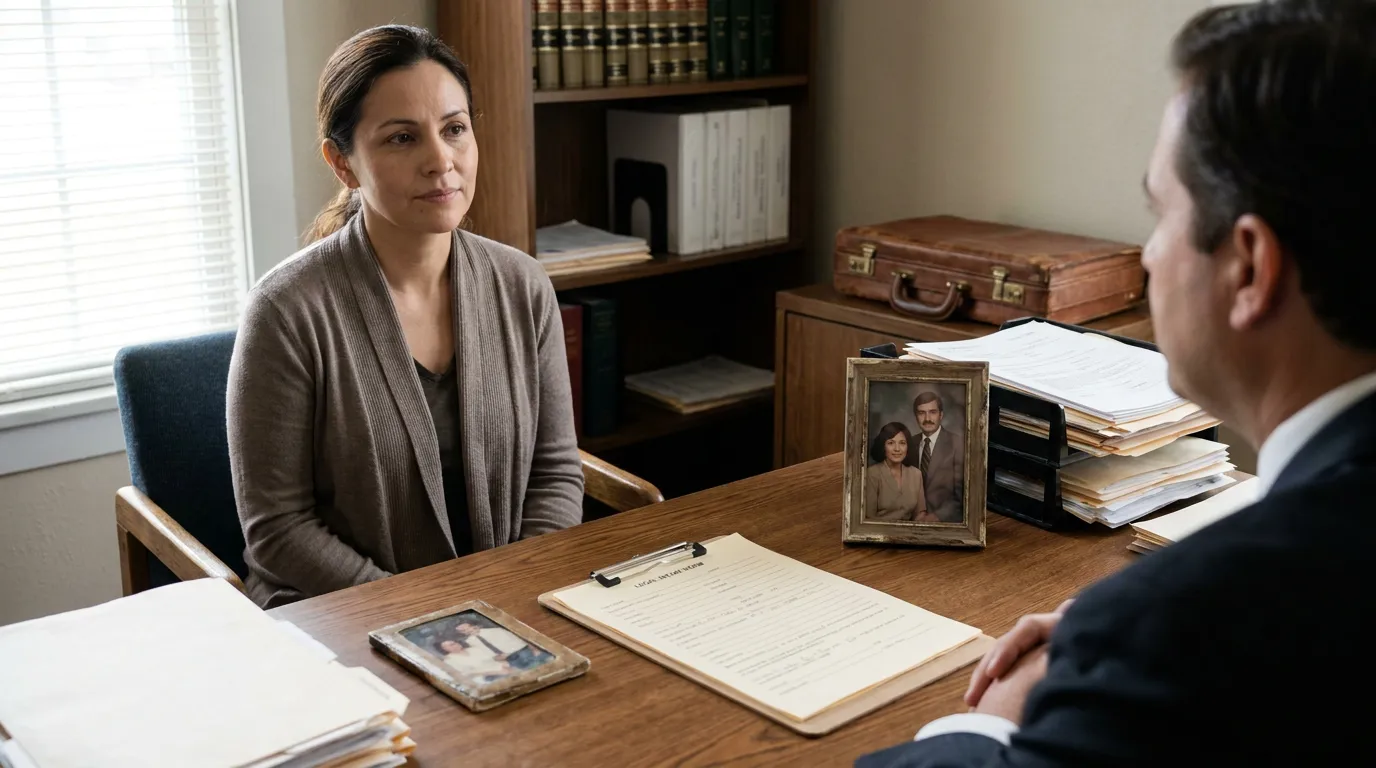
Can Families Sue for Wrongful Death After a Truck Accident in Texas?
Yes, families can sue for wrongful death after a truck accident in Texas, but the law limits who qualifies as an eligible claimant. Texas law generally requires claims for personal injury or wrongful death to be filed within two years after the cause of action accrues under Tex. Civ. Prac. & Rem. Code § 16.003(a). This window governs standard motor vehicle claims, including devastating commercial truck collisions.
Texas law does not open the courthouse doors to every relative. Under Tex. Civ. Prac. & Rem. Code Sec. 71.004, a wrongful death action is for the exclusive benefit of the surviving spouse, children, and parents of the deceased. Because a validly proven common-law spouse qualifies as a surviving spouse, that partner may be an eligible beneficiary. Siblings, grandparents, and other relatives are generally excluded, which is why proving marital status becomes central to standing.
How Texas Defines and Proves an Informal Marriage
An informal marriage in Texas must satisfy three specific elements before a surviving partner can claim spousal standing. Under the Texas Family Code, a couple establishes the relationship either by a signed declaration filed with the county or by evidence that they agreed to be married, lived together in Texas as spouses, and represented to others that they were married. Tex. Fam. Code Sec. 2.401(a) requires all three elements.
Timing can quietly defeat a claim that would otherwise be valid. Under Tex. Fam. Code Sec. 2.401(b), if a proceeding to prove the marriage is not commenced within two years after the parties separated and ceased living together, it is presumed no agreement to marry ever existed. The statute also bars informal marriage for anyone under 18 under Tex. Fam. Code Sec. 2.401(c), or anyone already married to someone else under Tex. Fam. Code Sec. 2.401(d).
Strengthening Proof Before a Dispute Ever Arises
A couple can create a formal record of their common-law marriage in advance, which becomes powerful evidence later. By filing a Declaration and Registration of Informal Marriage with the county clerk under Tex. Fam. Code Sec. 2.402, a couple sets an agreed date of marriage. Under Tex. Fam. Code Sec. 2.404(d), a properly executed and recorded declaration serves as prima facie evidence of the marriage, providing strong proof if a wrongful death dispute later arises.
This record is legally significant, not a casual formality. Under Tex. Fam. Code Sec. 2.403(a)-(b), the county clerk must verify each party’s identity and age from an approved document before recording a declaration. Knowingly providing false information is a Class A misdemeanor. Families who register in advance often avoid painful disputes about marital status during litigation. You can review the governing rules in the Texas Family Code on informal marriage.
💡 Pro Tip: If you never filed a declaration, start gathering proof early. Joint leases, shared bank accounts, insurance policies naming each other, tax filings, and testimony from friends who knew you as spouses can all help satisfy the three statutory elements.
Wrongful Death and Survival Claims Are Not the Same
The two most common claims Texas families file after a loved one’s death are wrongful death and survival action claims. While often filed together, they are legally distinct with different requirements, including who is eligible to file. That distinction matters when determining whether a common-law spouse has standing.
A wrongful death claimant is treated as a derivative claimant under Texas law. Under Tex. Civ. Prac. & Rem. Code Sec. 71.051(h)(1), a derivative claimant is a person whose damages were caused by personal injury to or wrongful death of another. This confirms that a surviving spouse, including a proven common-law spouse, asserts their own statutory losses from the death. To understand the broader framework, review our overview of wrongful death San Antonio claims.
Here is a general comparison:
| Feature | Wrongful Death Claim | Survival Action Claim |
|---|---|---|
| Who benefits | Surviving spouse, children, and parents | The decedent’s estate |
| Nature of damages | Beneficiaries’ own losses | Losses the decedent could have claimed |
| Common-law spouse role | May be an eligible beneficiary if marriage is proven | Recovery flows through the estate |
What "Wrongful Conduct" Actually Requires
A wrongful death or survival action requires that the death was caused by wrongful conduct, a term with a precise legal meaning. This means a family must prove a negligent or wrongful act, that the act proximately caused the death, and that compensable damages resulted.
The standard for proving conduct was wrongful varies depending on the facts and circumstances. Early investigation matters because establishing liability against a commercial trucking company often demands accident reconstruction, driver log analysis, and testimony from professionals who can quantify the family’s losses.
Who May File and When the Estate Steps In
Any one eligible person may bring the wrongful death suit for the benefit of all qualifying beneficiaries. If none file within three calendar months of the death, the estate’s executor or administrator must bring the action, unless all beneficiaries request otherwise. This protects families who may be overwhelmed, but it does not extend the underlying filing deadline. If you are uncertain about your position, learn more about who can sue wrongful death claims under Texas law.
The Deadline That Can End a Case Before It Begins
Texas imposes a two-year statute of limitations on wrongful death claims, and courts generally interpret exceptions narrowly. In an action for injury resulting in death, a person must bring suit within two years after the cause of action accrues. Critically, the cause of action accrues on the death of the injured person under Tex. Civ. Prac. & Rem. Code § 16.003(b).
The clock generally starts on the date of death, not the date of the crash. Families should calculate their deadline from the date of death and should not assume that tolling or discovery rules automatically apply, as such exceptions apply only in limited circumstances. You can review the controlling deadlines in the Texas civil limitations statute.
Key deadlines and eligibility factors:
- The general filing window is two years from the date of death under Section 16.003(b).
- Only a surviving spouse, children, and parents are eligible wrongful death beneficiaries.
- A common-law spouse must prove all three elements of informal marriage.
- The estate’s representative may file if beneficiaries do not act within three months.
💡 Pro Tip: Administrative benefit processes, such as workers’ compensation death benefits, run on separate deadlines from civil lawsuits. Do not assume that pursuing one preserves your rights in the other.
Frequently Asked Questions
Does a common-law spouse have the same rights as a ceremonially married spouse?
Potentially, yes. A proven common-law spouse qualifies as a surviving spouse and may be an eligible wrongful death beneficiary. The key difference is the burden of proving the informal marriage under Tex. Fam. Code Sec. 2.401.
What if we never registered our informal marriage?
Registration is not required. However, without a recorded declaration, you must prove the agreement, cohabitation in Texas, and holding out to others through documentary evidence and witness testimony.
How long do I have to file after a fatal truck crash?
Generally two years from the date of death. Because deadlines are strict and exceptions are narrow, you should confirm your specific timeline promptly.
Can siblings or grandparents file a wrongful death claim?
Generally no. Texas limits wrongful death standing to the surviving spouse, children, and parents.
What must I prove to win a wrongful death case?
You generally must prove a wrongful act, that it caused the death, and resulting damages. Early investigation and preservation of evidence are critical.
Standing Up for San Antonio Families After Unthinkable Loss
Whether a common-law spouse can sue after a fatal San Antonio truck crash comes down to proving the informal marriage, filing within the two-year window, and establishing wrongful conduct. These cases carry heavy legal and evidentiary burdens. Families facing the catastrophic aftermath of an 18-wheeler collision deserve a fierce advocate who understands both the statutes and the stakes. Paula Wyatt has built a reputation as a relentless trial lawyer for the injured and the grieving, and her team confronts corporate defendants and insurers with conviction.
If you lost your partner and are wondering whether you can pursue justice, do not let the deadline slip away. Contact Wyatt Law Firm now by calling 210-340-5550 or through our free case review request so we can help you understand your rights and fight for the accountability your family deserves.