
Stowers Demand Texas: How a Policy-Limits Letter Can Break an Insurer’s Stonewall After a Fatal Austin Crash
Key Takeaways: A Stowers demand is a Texas-specific tool that pressures a liability insurer to settle a serious claim within policy limits. After a fatal Austin crash, a properly framed policy-limits letter can expose an insurer to excess-judgment liability if it refuses a reasonable offer. Under the common-law Stowers doctrine, an insurer has a duty to exercise ordinary care in responding to a reasonable within-limits demand, and Texas statutes separately require insurers to attempt a good-faith settlement once liability becomes reasonably clear. Grieving families generally have two years to act, though deadlines depend on the facts. Wrongful death and survival claims are distinct causes of action with different rules on who may file. Understanding these mechanics helps families protect their rights during an overwhelming time.
When a preventable collision takes a life on an Austin roadway, the at-fault driver’s insurance company often becomes the family’s most immovable obstacle. Adjusters may delay, minimize, or deny even the strongest claims, gambling that a grieving family will accept far less than the loss is worth. A carefully drafted Stowers demand changes that calculus by putting the insurer’s own money at risk. For families in Austin and across Central Texas, understanding this tool can mean the difference between a lowball offer and full accountability.
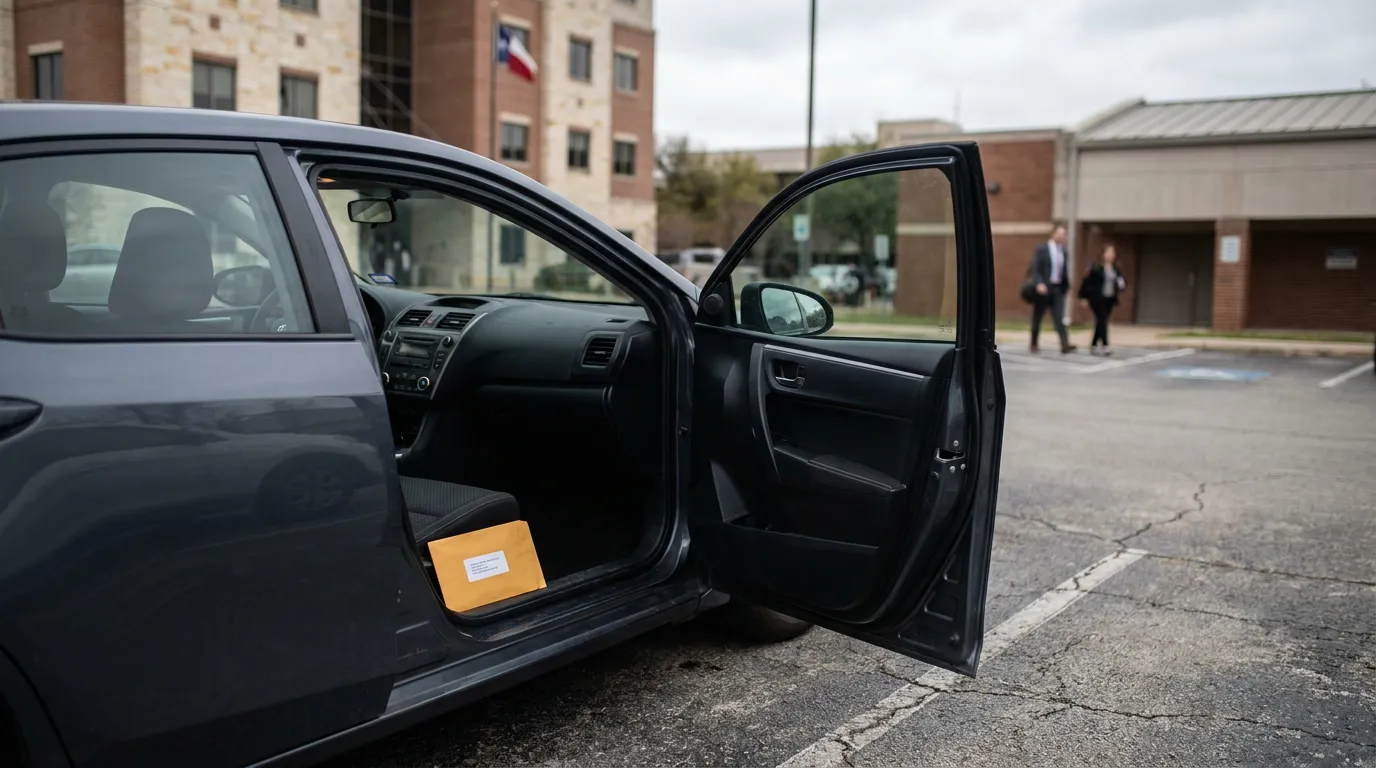
The Legal Backbone Behind a Stowers Demand
The Stowers Doctrine is a uniquely Texas creation designed to force insurers to settle reasonable claims rather than gamble with their insured’s exposure. Legal scholarship describes Stowers as a mechanism meant to encourage insurance companies to settle reasonable claims within policy limits rather than roll the dice on their client’s legal defense. The doctrine matters because negligently refusing a valid within-limits offer can leave the insurer holding the bag for a much larger verdict.
This deterrent function is the heart of the doctrine’s power. Commentators note that Stowers imposes civil liability on insurance companies for causing excess judgments against their insured, which discourages the "Delay, Deny, Defend" tactics that harm both policyholders and injured claimants. The Stowers duty is measured by a negligence standard, whether an ordinarily prudent insurer would have accepted the demand, rather than a general standard of bad faith. You can read a detailed academic treatment of this framework in the analysis of the Stowers doctrine Texas courts continue to apply today.
Texas statutes reinforce the pressure that a Stowers letter creates. Under the Insurance Code, it is generally an unfair settlement practice for an insurer to fail to attempt in good faith to effectuate a prompt, fair, and equitable settlement of a claim once the insurer’s liability has become reasonably clear. When a fatal crash involves an obviously negligent driver and catastrophic damages, that good-faith obligation becomes difficult for the carrier to ignore.
One important limit deserves emphasis. The statutory unfair-settlement cause of action generally belongs to a first-party insured or beneficiary, not directly to a third-party claimant suing an insured under a liability policy. That is precisely why the common-law Stowers doctrine remains the primary vehicle for a third-party fatal-crash claimant seeking to hold an insurer accountable for negligently refusing a reasonable within-limits demand.
Why Policy Limits Set the Battlefield
Every Stowers strategy begins with the at-fault driver’s liability coverage. Texas’s financial-responsibility framework applies to in-state motor vehicle collisions that result in bodily injury or death, and it presupposes that at-fault drivers carry liability coverage. In a fatal Austin crash, the existence of that liability policy is what makes a policy-limits settlement demand possible in the first place.
Coverage, however, is bounded by the policy’s ceiling. Texas law recognizes that a claim under a policy generally may not be allowed for an amount exceeding the applicable policy limits. A Stowers demand leverages this ceiling strategically: by offering a full and unconditional release of the at-fault driver for the available limits, plaintiff’s counsel forces the insurer to either pay within limits or risk excess-judgment liability if a jury awards far more.
The mechanics reward precision and timing. A demand that is unclear, conditional, or above the available limits generally will not trigger Stowers exposure, and courts examine these letters closely. This is one reason families should not attempt to negotiate alone, and why cautious communication matters, as explained in our guidance on whether to speak with an insurer after a crash.
A Hypothetical Austin Family Facing the Insurer
Imagine a family in South Austin whose father was killed when a commercial driver ran a red light near Ben White Boulevard. The at-fault driver carried a liability policy, and the negligence was captured on nearby traffic cameras. Liability appears reasonably clear, damages are catastrophic, and the family is drowning in funeral costs and grief while the adjuster stalls.
In this scenario, counsel might send a written offer to fully release the at-fault driver in exchange for the available policy limits. If the insurer refuses that reasonable within-limits demand and a jury later returns a verdict exceeding the limits, the carrier may face liability for the excess judgment under Stowers. That shift in risk is often what finally moves an insurer from delay to a serious negotiation.
No outcome is guaranteed, and results depend on the specific facts. Whether liability is truly "reasonably clear," whether the demand is properly framed, and whether damages exceed the limits all shape the analysis. This is why thorough investigation, medical documentation, and demonstrative evidence remain essential to building the case.
Wrongful Death and Survival Claims After a Fatal Crash
Texas families generally pursue two distinct claims after a fatal collision: wrongful death and survival actions. While these claims share similarities and are often filed together in the same lawsuit, they are different causes of action with different statutory requirements, including who may file them. Understanding the distinction helps surviving family members recognize their rights and understand a lawsuit filed on their behalf.
Both claims require legally "wrongful" conduct, which is a narrower concept than tragedy alone. Wrongful conduct has a specific meaning in the law and does not include every situation in which a person dies, and different standards apply depending on the facts of the decedent’s death. Both claims may arise when a death results from another party’s wrongful conduct, including automobile accidents.
Key distinctions families often need to understand include:
- Who may file: Wrongful death claims generally belong to certain surviving family members, while survival claims belong to the decedent’s estate.
- What is recovered: Survival claims may address the decedent’s own pre-death losses, while wrongful death claims address the family’s losses.
- Deadlines: Both are generally subject to strict filing periods, subject to exceptions.
- Insurer exposure: A Stowers demand can apply to either claim where a liability policy is at issue.
Deadlines That Can Make or Break a Case
Texas imposes a two-year statute of limitations on most personal-injury claims arising from a car crash. A person generally must bring suit for personal injury not later than two years after the day the cause of action accrues. Attorneys must resolve or file suit within this window, which adds real time pressure to any stowers demand texas strategy involving serious injury or death.
For a wrongful death claim, the two-year clock generally begins on the date of death rather than the date of the crash. Texas law provides that a suit for injury resulting in death must be brought within two years, and that the cause of action accrues on the death of the injured person. This distinction can be critical when a victim survives for a period before passing away.
Families should not assume that exceptions will extend a deadline. Courts generally interpret tolling and discovery-rule exceptions narrowly, and such exceptions may apply only in limited circumstances. Because civil filing deadlines differ from any government administrative claim deadlines, and because missing a deadline can permanently bar a claim, prompt legal review is strongly advisable.
Where the Law May Be Heading
Statutory immunities do not automatically shield insurers from settlement-related liability. Even in the charitable-organization context, Texas law (Chapter 84 of the Civil Practice and Remedies Code) confirms that nothing in that chapter limits an insurer’s liability in an action under Chapter 541 of the Insurance Code or in an action for bad-faith conduct, breach of fiduciary duty, or negligent failure to settle a claim. This reinforces that the negligent-failure-to-settle theory at the core of Stowers remains a preserved basis for insurer accountability.
Reform discussions continue to shape the strategic landscape. Legal scholarship has argued for making Stowers claims assignable in bankruptcy and for limiting an insurer’s ability to hamper or extinguish a Stowers action before it can be brought. These proposals remain subject to debate, and the current law continues to govern any active claim.
How Does This Impact Me?
What Does a Stowers Demand Mean for My Family’s Case?
A Stowers demand can shift financial risk onto the insurer that negligently refuses a reasonable settlement. In many cases, this pressure encourages fuller settlement offers, though the outcome depends on whether liability is reasonably clear and the demand is properly framed.
Does the Two-Year Deadline Change if My Loved One Survived Before Passing?
It can. For a wrongful death claim, the cause of action generally accrues on the date of death, which may differ from the crash date. Because exceptions are interpreted narrowly, you should confirm your specific deadline promptly.
Can I Bring a Stowers Claim Directly Against the Insurer?
Generally, the statutory unfair-settlement claim belongs to the insured, not a third-party claimant. The common-law Stowers doctrine is typically the vehicle a third-party fatal-crash claimant uses, subject to the facts of your case.
What Should I Do Next After a Fatal Austin Crash?
Preserve evidence, avoid recorded statements to adjusters, and seek legal guidance quickly. Careful documentation supports both the negligence case and any policy-limits settlement demand your counsel may pursue.
Standing With Austin Families When It Matters Most
A fatal crash leaves families facing grief and financial fear at the same time, often while an insurer stalls. A well-timed and properly framed Stowers demand is one of the most powerful tools Texas law offers to hold that insurer accountable for negligently refusing a reasonable settlement. Every case turns on its own facts, and nothing here is individualized legal advice.
If your family is confronting the aftermath of a catastrophic or fatal collision, you do not have to face the insurance company alone. Wyatt Law Firm brings decades of experience standing firmly on the side of the injured and the grieving. Call 210-340-5550 or contact us today to discuss how these protections may apply to your situation.