
Texas Survival Statute 71.021 and the FMCSA Rollback: What Grieving Families Must Know
Key Takeaways: A federal shift known as the FMCSA CDL self-reporting rollback, effective around July 22, 2026, changes how some commercial drivers report convictions, and that shift can affect the paper trail families rely on in fatal truck crash cases. Texas maintains its own powerful accountability framework, including the two-year filing deadline, the commercial motor vehicle statute in Chapter 72, and the survival and wrongful death provisions of Chapter 71. Families in San Antonio can still pursue full compensation by proving a wrongful act, causation, and damages. Preserving evidence quickly matters more than ever when a federal reporting requirement is weakened. Bifurcated trials and the clear and convincing standard shape how driver-fitness evidence is presented. This article explains the practical stakes for surviving spouses, children, and parents.
The loss of a loved one in a commercial truck crash is a devastation that no family should have to face alone. When an 80,000-pound tractor-trailer collides with a passenger vehicle, the catastrophic force involved often leaves survivors grieving a spouse, a child, or a parent taken far too soon. Now a federal change, the July 22 2026 FMCSA rule affecting commercial driver conviction reporting, has raised urgent questions in San Antonio about whether trucking companies will be held accountable when their drivers should never have been behind the wheel.
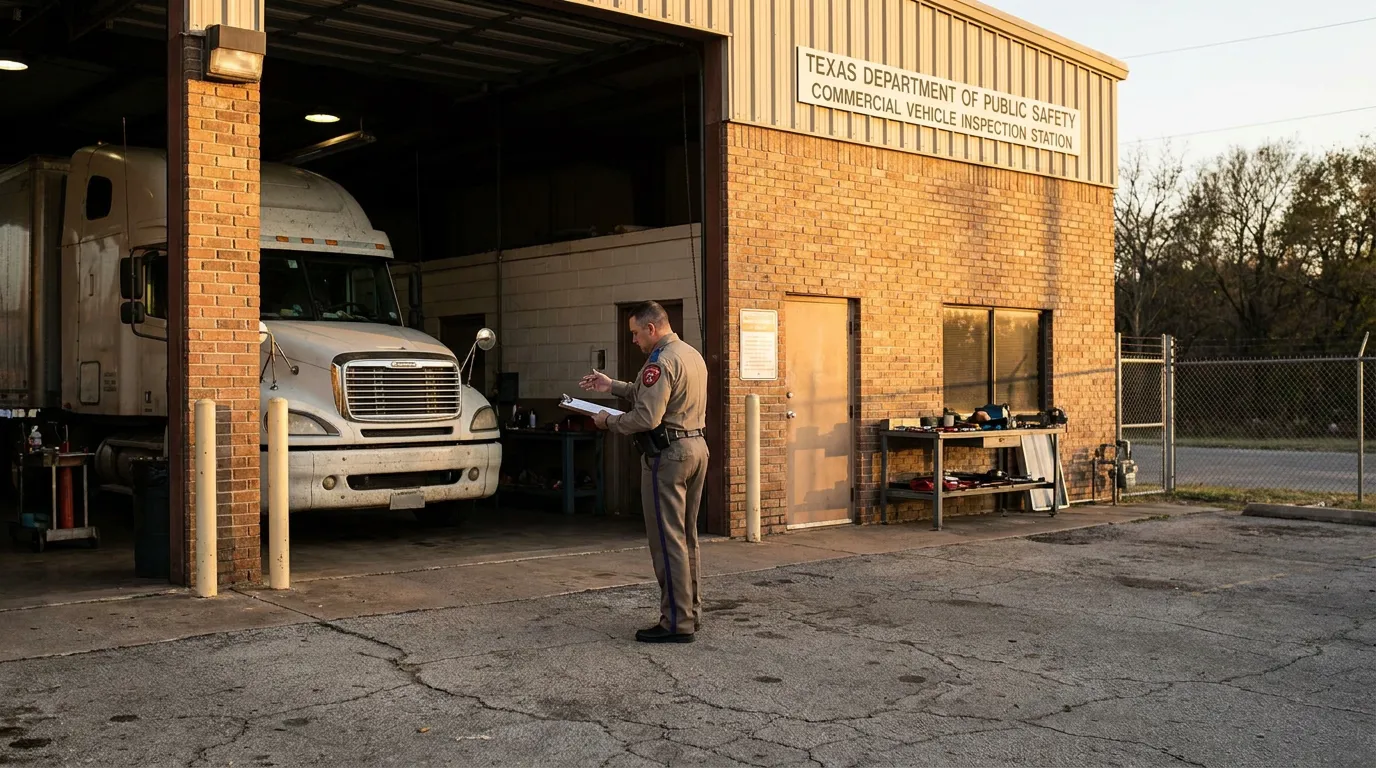
What the FMCSA CDL Self-Reporting Rollback Actually Changes
The FMCSA CDL self-reporting rollback adjusts a federal expectation that certain commercial drivers notify authorities and employers of specific convictions. Historically, self-reporting obligations helped create a documented record of a driver’s disqualifying history, which plaintiffs’ attorneys frequently use to show that a motor carrier knew or should have known about CDL holder violations. When that federal requirement is weakened, one source of the paper trail may thin out, placing a heavier burden on families and their counsel to reconstruct a driver’s true record.
Importantly, a federal reporting rollback does not erase a trucking company’s duty of care under Texas law. Agency guidance and federal rules operate alongside, not above, controlling state statutes and Texas court decisions. You can read more about the practical fallout in our discussion of the 2026 FMCSA rule change, which examines how the rollback may impact Texas truck crash cases and carrier accountability.
The Texas Legal Backbone: Chapter 71 and Chapter 72
Texas gives grieving families two related but distinct tools after a fatal crash. The wrongful death claim compensates surviving family members for their own losses, while the survival claim allows the decedent’s estate to recover for what the deceased person endured before death. Under the framework often referenced as the texas survival statute 71.021, a personal injury cause of action survives the death of the injured person and passes to the estate, which is why timely investigation matters so much.
Texas also maintains a dedicated statutory scheme for commercial truck collisions. A civil action under this chapter covers claims for bodily injury or death caused in a collision where a defendant operated a commercial motor vehicle or owned, leased, or otherwise controlled the vehicle or its operator, reaching both the CDL driver and the motor carrier. The statute defines a "claimant" broadly to include a person, including a decedent’s estate, seeking or who has sought recovery of damages in a civil action, encompassing a plaintiff, counterclaimant, cross-claimant, third-party plaintiff, and intervenor, a point that is significant in wrongful death and survival matters. These provisions live in the Texas trucking crash statute that governs modern trucking litigation.
Why the Definitions Matter to Your Family
The chapter’s broad definition of "claimant" shapes who may bring which claim. Under Chapter 72, a claimant is a person, including a decedent’s estate, seeking or who has sought recovery of damages in a civil action, and that term encompasses a plaintiff, counterclaimant, cross-claimant, third-party plaintiff, and intervenor. For a San Antonio family, understanding this helps clarify whether a surviving spouse, child, or parent brings a claim directly or through the estate.
The statute also broadly defines what counts as a commercial motor vehicle. It covers a vehicle used for commercial purposes in interstate or intrastate commerce to transport property or passengers or provide services, while excluding vehicles used for personal, family, or household purposes. That definition often determines whether the specialized trucking rules and carrier-accountability provisions apply to a given crash.
A San Antonio Family’s Story: How the Rollback Could Play Out
Imagine a family in San Antonio waiting for a father who never comes home from work. A fully loaded freight truck runs a red light on the Southwest Side, and the collision proves fatal. In the days that follow, his widow and children learn that the driver may have had a prior disqualifying conviction that, under a weaker federal self-reporting regime, was never flagged to the carrier’s safety file.
This is precisely where the accountability stakes become clear. Under Texas law, failing to stop and comply after a serious collision is itself a grave offense; leaving the scene of a collision resulting in death is generally a second-degree felony and one resulting in serious bodily injury is generally a third-degree felony. Texas also requires an operator involved in a collision reasonably likely to result in injury or death to immediately stop, determine whether anyone needs aid, and remain at the scene until statutory duties are met, conduct evidence that can matter enormously in a wrongful death truck case.
Building Accountability When Federal Reporting Weakens
When a federal reporting requirement is rolled back, fatal truck crash evidence becomes even more critical. Families and their counsel generally must move quickly to preserve records that a carrier might otherwise let disappear. Practical steps often include:
- Sending prompt preservation letters for driver qualification files, logs, and electronic control module data
- Obtaining the police crash report and any scene or dashcam footage
- Retaining accident reconstruction professionals to analyze speed, braking, and impact forces
- Working with economic and medical professionals to quantify the full scope of loss
- Investigating the driver’s history for CDL holder violations the carrier may have overlooked
Texas procedure also shapes how driver-fitness evidence reaches a jury. In commercial motor vehicle collision cases, Texas law requires a bifurcated, two-phase trial on a defendant’s motion, with the first phase determining liability and compensatory damages and the second phase determining exemplary damages. A first-phase finding that an employee was negligent in operating the vehicle can serve as a basis to proceed against the employer on claims such as negligent entrustment, which is directly relevant when CDL self-reporting failures feed employer liability.
The Higher Burden for Punitive Damages
Families pursuing exemplary damages face a demanding proof standard. To establish exemplary damages, Texas requires clear and convincing evidence, meaning proof that produces a firm belief or conviction as to the truth of the allegations. Texas law also distinguishes economic damages, which compensate for actual pecuniary loss, from exemplary damages, which are awarded as punishment rather than compensation, framing the categories of recovery available. Because these standards are fact-dependent, outcomes generally turn on the specific evidence developed in each case.
The Clock Is Ticking: Deadlines You Cannot Ignore
Texas generally gives crash victims two years from the date the cause of action accrues to file a personal injury lawsuit. For fatal crashes, the wrongful death limitations period is also two years, and the clock generally starts on the date of death, while a survival claim continues the decedent’s own cause of action and generally runs from when that underlying claim accrued, which is often the date of the crash rather than the date of death. You can review the statutory language on the two-year filing deadline that anchors nearly every Texas crash case, regardless of federal regulatory changes.
Certain exceptions may extend or alter these deadlines, but courts interpret them narrowly. Tolling and discovery-rule arguments do not apply automatically and may be available only in limited circumstances, such as when a claimant is a minor or when the cause of death was not reasonably discoverable, with the claimant bearing the burden of proving an exception applies. Because civil filing deadlines differ from any governmental administrative claim deadlines, no family should assume a deadline is guaranteed, automatic, or absolute without qualification from counsel who has reviewed the facts.
How Does This Impact Me?
What Does the FMCSA Rollback Mean for My Wrongful Death Case?
The rollback may reduce one source of documentation about a driver’s convictions, but it does not lower a carrier’s legal duty. Your legal team can often pursue other records to establish what the company knew or should have known. If you want a foundational overview, our explainer on Wrongful Death in San Antonio walks through the core elements families must prove.
Does This Change My Deadline to File?
No, a federal reporting change does not extend the Texas statute of limitations. The general two-year deadline continues to apply, subject to limited exceptions that courts read strictly. Acting promptly protects both your evidence and your legal rights.
Who in My Family Can Bring a Claim?
Texas law generally allows a surviving spouse, children, and parents to pursue a wrongful death claim, while the estate may pursue a survival claim. The precise roles depend on your family’s circumstances. A consultation can clarify who should file and in what capacity.
What Should I Do Next After a Fatal Truck Crash?
Preserving evidence early is often the single most important step. Because carriers may not retain records indefinitely, prompt preservation demands and professional investigation can be decisive. The specific outcome always depends on the individual facts of your case.
Standing With San Antonio Families in Their Fight
A weakened federal reporting rule should never mean weakened accountability for the companies that put dangerous drivers on Texas highways. For grieving families, the path forward still runs through Texas law: proving a wrongful act, connecting it to your loved one’s death, and documenting the full measure of your loss. With decades of experience confronting corporate defendants and their insurers, Paula Wyatt brings a proven track record and relentless resolve to catastrophic truck crash and wrongful death cases.
If your family is facing this heartbreak, you do not have to navigate it alone. The team at Wyatt Law Firm understands the gravity of what you are enduring and stands ready to help you understand how the FMCSA rollback and Texas law may affect your situation. Call 210-340-5550 or contact us today to discuss how these developments may bear on your family’s case.