
When Pain Shows Up Days After a San Antonio Crash
Key Takeaways: Delayed symptoms after a Texas car accident are common because adrenaline and inflammation mask serious injuries like traumatic brain injuries, herniated discs, and internal damage for days or weeks. Late-reported pain does not automatically bar a claim, but insurers will dispute causation and shift blame under Texas’s proportionate responsibility rules. To protect your claim, seek medical evaluation within 24 to 72 hours, document the link between symptoms and the crash, and decline recorded statements until you consult counsel. Texas’s two-year statute of limitations is strict, though narrow exceptions like the discovery rule may apply. Personal Injury Protection coverage can help with medical bills incurred within three years of the crash.
Delayed symptoms after a car accident are far more common than most victims realize, and they can quietly undermine an otherwise strong claim. Adrenaline, shock, and inflammation often mask serious harm in the hours after a collision, so a traumatic brain injury, herniated disc, or internal damage may not surface until days or weeks later. Texas law does not automatically bar a claim because pain emerged late, but protecting your rights requires deliberate action.
If you or a loved one suffered harm in a crash and symptoms surfaced afterward, the team at Wyatt Law Firm is ready to fight for you. Call us at 210-340-5550 or reach out through our confidential case review form to discuss preserving your claim before critical deadlines pass.
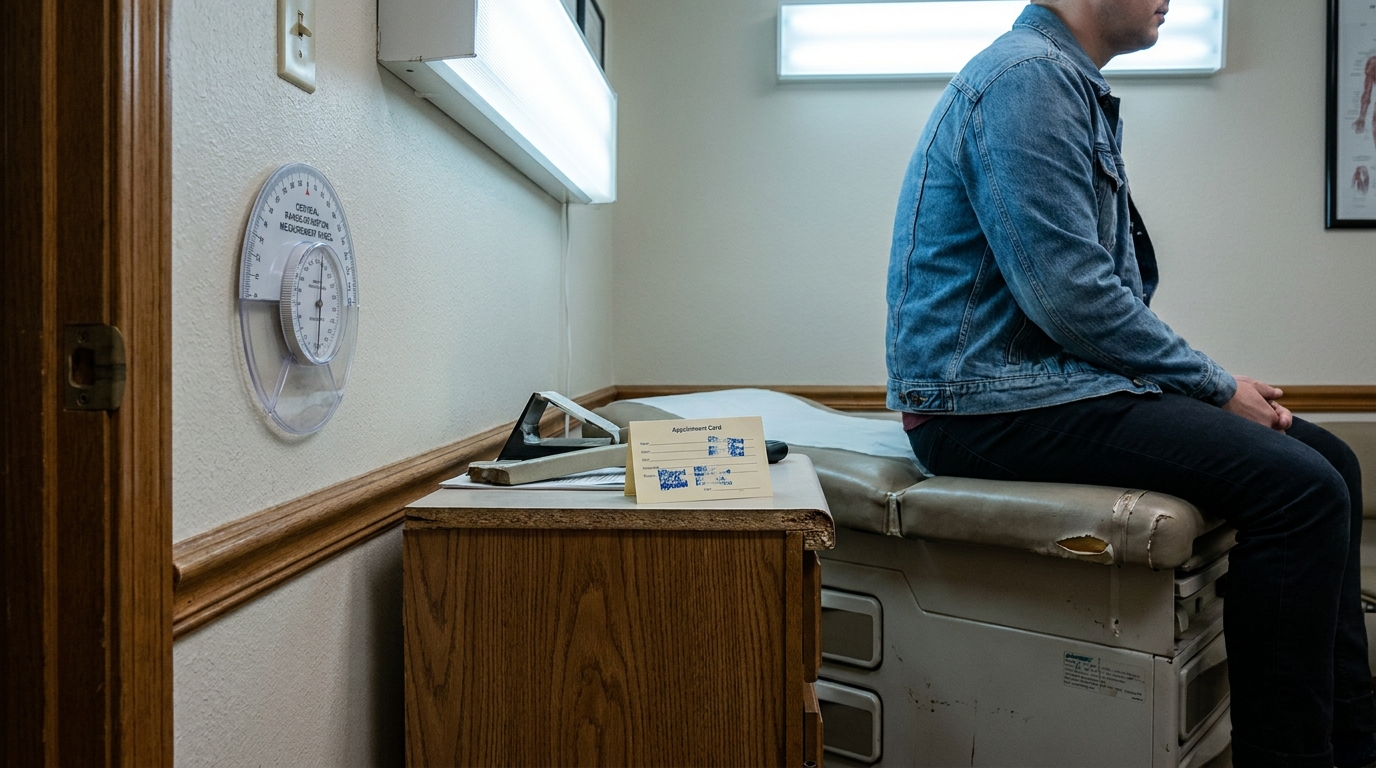
Why Delayed Symptoms After a Car Accident Threaten Your Claim
The greatest danger of delayed-onset injuries is not the injury itself but how insurers exploit the timing. When a victim does not report pain immediately, adjusters argue the harm came from something other than the crash. This causation challenge is why documentation matters in late-injury cases.
Medical guidance is consistent: seek attention immediately, even when you feel fine, because adrenaline can hide serious trauma. Delays "give insurance companies an opportunity to argue that your injuries aren’t related to the accident."
Severe injuries are especially prone to delayed presentation. Traumatic brain injuries, spinal cord damage, internal bleeding, and soft-tissue tears around the neck and back can take time to produce recognizable symptoms. Justia’s overview of frequent crash injury types illustrates why a "wait and see" approach is dangerous for both your health and your legal position.
💡 Pro Tip: Even if you declined an ambulance at the scene, schedule a medical evaluation within 24 to 72 hours. A contemporaneous record connecting your symptoms to the crash is one of the strongest tools for defeating a causation defense.
The Texas Filing Clock and Its Limited Exceptions
In Texas, personal injury claims carry a two-year statute of limitations measured from the date the cause of action accrues. Missing that window is unforgiving. Failure to file within the required period generally results in dismissal unless a recognized tolling exception applies. Learn more in our explanation of the two-year filing rule.
Several narrow doctrines may pause that clock, but they are interpreted strictly. The discovery rule can delay the limitations period until an injury is, or reasonably should have been, discovered, and applies only to injuries that are both inherently undiscoverable and objectively verifiable. Tolling may also apply where a defendant fraudulently concealed wrongdoing.
A statute-specific tolling provision can also apply during certain insurance disputes. Under Texas Civil Practice and Remedies Code § 88.003(g), when an insured pursues a managed-care entity’s appeals and review process, the limitations period may be tolled until the later of the 30th day after that process is exhausted or the 40th day after required notice is given. This overview of statute of limitations exceptions explains the general principles.
💡 Pro Tip: Do not wait until symptoms are "confirmed" before consulting counsel. Whether the discovery rule or any tolling provision applies is fact-dependent, so early legal evaluation protects you from betting your case on an exception that may not apply.
How Texas Insurance Law Protects Delayed-Injury Costs
Texas insurance law builds in a first-party safety net many crash victims overlook: Personal Injury Protection. Under Texas Insurance Code § 1952.152(a), an insurer generally may not issue an auto liability policy in this state unless it includes PIP coverage, unless the insured rejected it in writing.
PIP is particularly valuable in delayed-injury situations because of its generous timeframe. Under Texas Insurance Code § 1952.151, PIP covers reasonable expenses that arise from an accident and are incurred not later than the third anniversary of the crash, including necessary medical, surgical, x-ray, and dental services. That three-year window means medical costs for symptoms that surface weeks or months later may still qualify.
There is, however, a statutory floor. Under Texas Insurance Code § 1952.153, an insurer is not required to provide PIP in an amount exceeding $2,500 for all benefits, in the aggregate, per person. For a catastrophic injury, that baseline rarely covers the full picture, but it provides important early financial protection while a larger liability claim is built.
| Coverage Feature | What Texas Law Provides |
|---|---|
| Required offering | PIP generally must be included unless rejected in writing (§ 1952.152) |
| Covered timeframe | Expenses incurred within three years of the crash (§ 1952.151) |
| Minimum benefit floor | At least $2,500 per person, in the aggregate (§ 1952.153) |
| Fault requirement | None; PIP is first-party, no-fault coverage |
Fighting the Insurer’s Causation and Fault Tactics
Late-appearing injuries hand insurers two favorite weapons: disputed causation and shifted blame. Texas uses a proportionate responsibility system, and under Texas Civil Practice and Remedies Code § 33.001, a claimant may not recover damages if found more than 50 percent at fault. When symptoms appear late, an insurer may argue the victim worsened the harm by not seeking immediate care, attempting to push their share of responsibility higher.
This framework reaches every tort-based claim arising from a crash. Under Texas Civil Practice and Remedies Code § 33.002, the chapter applies to any cause of action based on tort in which a responsible party is assigned a percentage of the harm.
Practical defensive steps make a meaningful difference. The following habits help protect a delayed-injury insurance claim in Texas:
- Decline recorded statements to the opposing insurer until you have spoken with counsel.
- Follow every treatment recommendation and keep all medical appointments.
- Preserve crash photos, repair records, and the names of any witnesses.
- Avoid posting about your activities or recovery on social media.
💡 Pro Tip: Resist early lowball offers. Insurers often make quick, low settlements to close cases cheaply, and accepting before future medical costs are known can leave a catastrophically injured victim paying out of pocket for life.
Building a Strong Delayed-Injury Claim
Winning a late-symptom case comes down to disciplined evidence and persistent advocacy. A San Antonio delayed injury lawyer focuses on tying medical findings to the crash mechanics so the timing gap becomes a medical reality, not a credibility problem.
Document the Medical Link Early
Consistent, well-documented treatment is the backbone of a delayed-injury claim. Each visit creates a record connecting your worsening condition to the collision. Gaps in care give the defense room to argue an intervening cause, so continuity matters.
Account for the Full Scope of Damages
Recoverable losses extend well beyond your first hospital bill. Texas claimants may pursue both past and future medical expenses, lost wages and lost earning capacity, plus non-economic harm such as pain and suffering and emotional distress. In delayed-symptom cases, future costs are often the largest category because the full extent of harm becomes clear only over time.
Coordinate Venue and Multiple Defendants
Complex crashes often involve several liable parties. Under Texas Civil Practice and Remedies Code § 15.062(a), venue of the main action establishes venue for any counterclaim, cross-claim, or third-party claim that is properly joined under the Texas Rules of Civil Procedure or any applicable statute — with no ‘same occurrence’ requirement. Under § 15.062(b), if an original defendant properly joins a third-party defendant, venue is also proper for a plaintiff’s claim against that third-party defendant if the claim arises out of the same transaction, occurrence, or series of transactions or occurrences and arises out of the subject matter of the plaintiff’s claim against the original defendant. This becomes important when an investigation reveals an additional at-fault party, such as a trucking company or component manufacturer.
When catastrophic injuries are involved, working with a dedicated car accident attorney in San Antonio helps ensure no responsible party escapes accountability and no deadline is missed.
💡 Pro Tip: Keep a daily symptom and pain journal. A dated, first-hand account of how late-emerging injuries affect your work, sleep, and family life can powerfully support a claim for future and non-economic damages.
Frequently Asked Questions
Can I still file a claim if my symptoms appeared weeks after the crash?
Often, yes. The standard two-year deadline under Texas law generally runs from the date the cause of action accrues, and in limited circumstances the discovery rule may delay when that clock starts. Have your timeline reviewed promptly.
Will delayed symptoms automatically reduce my compensation?
Not automatically, but they can create disputes. Insurers may use the timing to challenge causation or argue you share fault under Texas Civil Practice and Remedies Code § 33.001. Strong medical documentation linking your injuries to the crash is the most effective response.
Does PIP cover medical bills that arise months later?
It may. Under Texas Insurance Code § 1952.151, PIP can cover reasonable expenses incurred within three years of the accident, subject to the statutory minimum and your policy terms. Confirm whether you accepted PIP coverage.
Should I talk to the other driver’s insurance company?
Generally, no. You have no legal obligation to provide a recorded statement to the at-fault driver’s insurer, and doing so without counsel can jeopardize your claim. Consult a lawyer first.
How does Texas decide fault when several parties are involved?
Texas uses proportionate responsibility. Under Texas Civil Practice and Remedies Code § 33.002, fault is allocated among all responsible parties, and recovery is barred if you are found more than 50 percent at fault.
Protecting Your Future After a Late-Surfacing Injury
Delayed symptoms after a car accident do not have to mean a lost claim, but they do raise the stakes. Acting quickly to document your injuries, understanding the narrow exceptions that may affect Texas filing deadlines, confirming your PIP coverage, and refusing to let insurers reframe the timing against you all work together to preserve your right to full compensation.
Paula Wyatt and the team at Wyatt Law Firm stand firmly on the side of the injured and the grieving, with a proven track record of confronting corporate defendants and insurance companies. If late-appearing injuries have turned your life upside down, do not wait for a deadline to decide your future. Contact Wyatt Law Firm today by calling 210-340-5550 or by requesting your free consultation through our secure contact page.