
Can a Recalled CO Detector in Your Dallas Home Lead to Legal Action?
Key Takeaways: A recalled carbon monoxide detector in a Dallas home may give rise to a products liability lawsuit against the manufacturer or seller. Texas law holds manufacturers accountable under strict liability, negligence, and other theories when a defective product causes harm. Homebuyers may also have claims against sellers who failed to disclose known defects. Design defect claims require proving a safer alternative existed. Time limits apply, so preserving evidence and seeking legal guidance quickly is critical.
If you or a loved one suffered carbon monoxide poisoning because a recalled detector failed to sound an alarm, the answer may be yes. Carbon monoxide is an odorless, colorless gas that kills hundreds of Americans yearly and leaves thousands with devastating injuries. When a recalled CO detector fails to alert residents, the consequences can be catastrophic: traumatic brain injuries, organ damage, and death. Under Texas products liability law, victims and their families may have strong grounds to pursue a lawsuit against the manufacturer, the seller, or both.
If your family has been harmed by a defective CO alarm in Dallas, Wyatt Law Firm is ready to fight for the compensation you deserve. Call 210-340-5550 or contact us today for a free consultation.
Understanding Carbon Monoxide Detector Recall Claims in Texas
A carbon monoxide detector recall is more than a consumer advisory; it can serve as powerful evidence in a civil lawsuit. When a manufacturer issues a recall, it often signals acknowledgment that the product contains a defect posing risk to consumers. A recall notice can serve as evidence of the manufacturer’s awareness of the defect, relevant to both strict liability and negligence theories.
Texas law defines a products liability action broadly. Under Tex. Civ. Prac. & Rem. Code § 82.001(2), it covers any action against a manufacturer or seller for damages arising from a defective product, whether based on strict liability, negligence, misrepresentation, breach of warranty, or any other theory. Victims can pursue multiple paths to recovery depending on case facts.
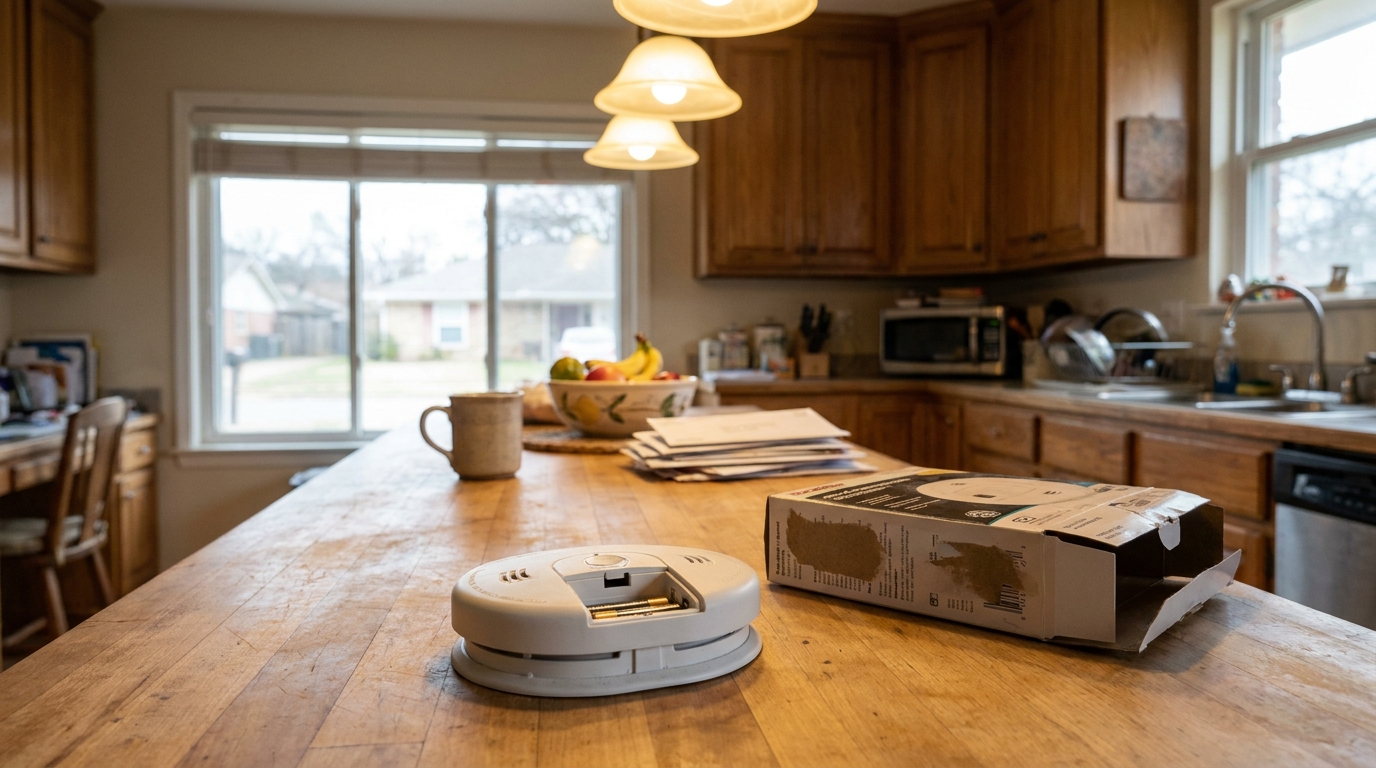
💡 Pro Tip: If you learn your CO detector has been recalled, preserve the device, packaging, and purchase receipts. This physical evidence is critical in proving your case.
Who Can Be Held Liable for a Defective CO Detector?
Victims can pursue claims against anyone in the chain of distribution. This includes the manufacturer who designed and produced the device, as well as distributors and retailers who sold it. Under Texas law, a "manufacturer" includes any designer, producer, or assembler who places a product into commerce, per Tex. Civ. Prac. & Rem. Code § 82.001(4).
Manufacturer Liability
The manufacturer faces the most direct exposure in a recalled detector liability Texas case. Plaintiffs may point to the recall as evidence of the manufacturer’s knowledge of the defect. The manufacturer also carries a statutory duty to indemnify sellers under Tex. Civ. Prac. & Rem. Code § 82.002(a), unless the seller independently contributed to the harm.
Seller and Retailer Liability
Nonmanufacturing sellers receive some protection under Texas law, but that protection has limits. Under Tex. Civ. Prac. & Rem. Code § 82.003, a seller may still face liability if the seller actually knew of the defect, modified the product, or if the manufacturer is insolvent or outside the court’s jurisdiction. If a retailer continued selling units after a recall announcement, that knowledge could strip away the seller’s statutory shield.
💡 Pro Tip: Document where and when you purchased your CO detector. Identifying every party in the distribution chain strengthens your ability to hold all responsible parties accountable.
Home Seller Disclosure Failures and Carbon Monoxide Detectors
If you purchased a Dallas home with a recalled CO detector already installed, the home seller may also face legal exposure. Under TX § 5.008(b) of the Texas Property Code, sellers must complete a statutory disclosure notice addressing the condition of items in the home, including safety devices such as carbon monoxide detectors.
A home seller who knew a CO detector had been recalled or was defective and failed to disclose that information could face claims for fraud, negligent misrepresentation, or violations of the Deceptive Trade Practices Act (DTPA). These claims exist independently from any products liability action against the device manufacturer.
💡 Pro Tip: Request copies of the seller’s disclosure notice from the real estate transaction. Any omissions about detector condition or recall status could support additional claims.
Three Types of Product Defects That Apply to CO Detectors
Product defect claims generally fall into three categories, and a recalled CO detector case may involve one or more of them.
| Defect Type | Description | Example in CO Detector Case |
|---|---|---|
| Design Defect | The product’s design is inherently unsafe | Sensor technology that degrades and stops detecting CO within months |
| Manufacturing Defect | An error during production makes a specific unit dangerous | A batch of detectors with improperly soldered alarm circuits |
| Marketing Defect (Failure to Warn) | Inadequate instructions or warnings about risks | No guidance on detector lifespan or conditions that cause sensor failure |
Proving a Design Defect Under Texas Law
Design defect claims carry a specific burden of proof in Texas. Under Tex. Civ. Prac. & Rem. Code § 82.005(a), the claimant must prove by a preponderance of the evidence that a safer alternative design existed and was economically and technologically feasible at the time the product left the control of the manufacturer or seller, and that the defect was a producing cause of the injury. In a carbon monoxide poisoning case involving a recalled detector, technical testimony about alternative sensor designs or alarm mechanisms may be essential.
The Government Standards Defense
Manufacturers sometimes argue that compliance with federal safety standards proves their product was not defective. Under Tex. Civ. Prac. & Rem. Code § 82.008, compliance with applicable government standards creates a rebuttable presumption that the product is not defective with respect to design or marketing defects. However, this presumption can be overcome with evidence, and it does not apply to manufacturing defect claims.
💡 Pro Tip: Do not assume a manufacturer’s compliance defense will defeat your claim. A recall is strong evidence that the product failed to meet its basic safety purpose.
Time Limits and Preserving Your Right to Sue
Every products liability claim in Texas is subject to a statute of limitations. The general statute of limitations for personal injury claims in Texas is two years from the date of injury under Tex. Civ. Prac. & Rem. Code § 16.003. A discovery rule may apply in limited situations where the injury was not immediately apparent, but courts interpret these exceptions narrowly. Additionally, Texas imposes a statute of repose under § 16.012 that can bar claims brought more than 15 years after the product was first sold.
Preserving evidence early is as important as filing on time. Medical records documenting carbon monoxide exposure levels, hospital admissions, and long-term neurological effects form the backbone of any serious claim. Maintenance logs, inspection reports, and the recalled device itself can all prove critical.
Recent CO detector recalls have affected homes across Dallas. If you believe a recalled unit was present in your home during a carbon monoxide exposure event, acting quickly to preserve your rights is essential.
💡 Pro Tip: Seek medical evaluation immediately after any suspected CO exposure, even if symptoms seem mild. Carbon monoxide poisoning can cause delayed neurological damage, and early medical records create a documented link between exposure and injuries.
What Damages Can Victims Recover in a Dallas Carbon Monoxide Case?
Victims of carbon monoxide poisoning caused by a defective detector may be entitled to substantial compensation. The severity of CO exposure injuries often results in life-altering consequences: permanent brain damage, cardiac injury, cognitive impairment, and death. Texas law allows recovery for:
- Medical expenses, including emergency treatment, hospitalization, surgeries, and ongoing rehabilitation
- Lost wages and diminished future earning capacity
- Pain and suffering
- Loss of consortium and companionship for family members
- Wrongful death damages
These are not minor claims. Carbon monoxide cases in Dallas involving catastrophic injury or death represent some of the most significant harm a defective product can cause.
Frequently Asked Questions
1. Can I sue a CO detector manufacturer if the device was recalled but I was never notified?
Yes. A manufacturer’s duty extends beyond simply issuing a recall. If the recall notification was inadequate and you suffered harm because the defective device remained in your home, the manufacturer may still bear liability under Texas products liability law.
2. What if the recalled CO detector was installed before I bought my Dallas home?
You may have claims against both the device manufacturer and the home seller. Under TX § 5.008(b) of the Texas Property Code, sellers must disclose known defects in safety devices. If the seller knew the detector was recalled and failed to disclose it, you could pursue fraud, misrepresentation, or DTPA claims.
3. How long do I have to file a recalled CO detector lawsuit in Texas?
The statute of limitations for personal injury claims is generally two years under Tex. Civ. Prac. & Rem. Code § 16.003. However, the specific deadline depends on your case facts. Consulting with a Dallas carbon monoxide lawyer as soon as possible is critical.
4. Do I need to prove a safer CO detector design existed to win my case?
For design defect claims, yes. Under Tex. Civ. Prac. & Rem. Code § 82.005(a), you must demonstrate that a safer alternative design existed and was economically and technologically feasible at the time the product left the control of the manufacturer or seller. However, manufacturing defect and failure-to-warn claims do not require this showing.
5. Can I sue the store that sold me the defective CO detector?
In many cases, yes. Texas law allows claims against anyone in the chain of distribution. While sellers have some protections under Tex. Civ. Prac. & Rem. Code § 82.003, those protections do not apply if the seller knew about the defect or if the manufacturer is insolvent or beyond the court’s jurisdiction.
Take Action to Protect Your Family After a CO Detector Failure
A recalled carbon monoxide detector that fails to protect your family is not just a product malfunction. It is a preventable tragedy that the law takes seriously. Texas products liability statutes provide real paths to accountability for manufacturers, sellers, and home sellers who put families at risk. If you or someone you love suffered catastrophic carbon monoxide injuries or lost a family member because a defective detector stayed silent, you have the right to fight back.
Paula Wyatt and the Wyatt Law Firm have the tenacity and determination to take on the manufacturers and corporations responsible for your family’s suffering. Call 210-340-5550 or reach out online now to discuss your case in a free, confidential consultation.