
Texas Underinsured Motorist Coverage and Seat Belt Defenses After a Deadly San Antonio DWI Crash
Key Takeaways: Texas law requires vehicle occupants to wear seat belts, but an unbelted passenger’s family may still be able to bring a wrongful death claim against a drunk driver. Under Texas’s modified comparative fault rule, a family’s recovery is generally reduced, not barred, as long as the deceased person’s share of responsibility is not more than 50%. Seat belt evidence usually comes down to causation, meaning whether a belt would actually have prevented or reduced the injuries. Texas underinsured motorist coverage, along with Personal Injury Protection (PIP), may add money on top of the drunk driver’s often limited liability policy. Deadlines apply, and the facts of each case control the outcome.
A fatal DWI crash on Loop 1604 in October 2026 has left a San Antonio family grieving, and it raises a question many families face after a drunk driving death. If the person killed was not wearing a seat belt, can the family still hold the impaired driver responsible? In many cases, yes. The seat belt issue does not erase the driver’s decision to drive impaired. Insurers often use it to push back, so Bexar County families should understand their rights before talking to an adjuster.
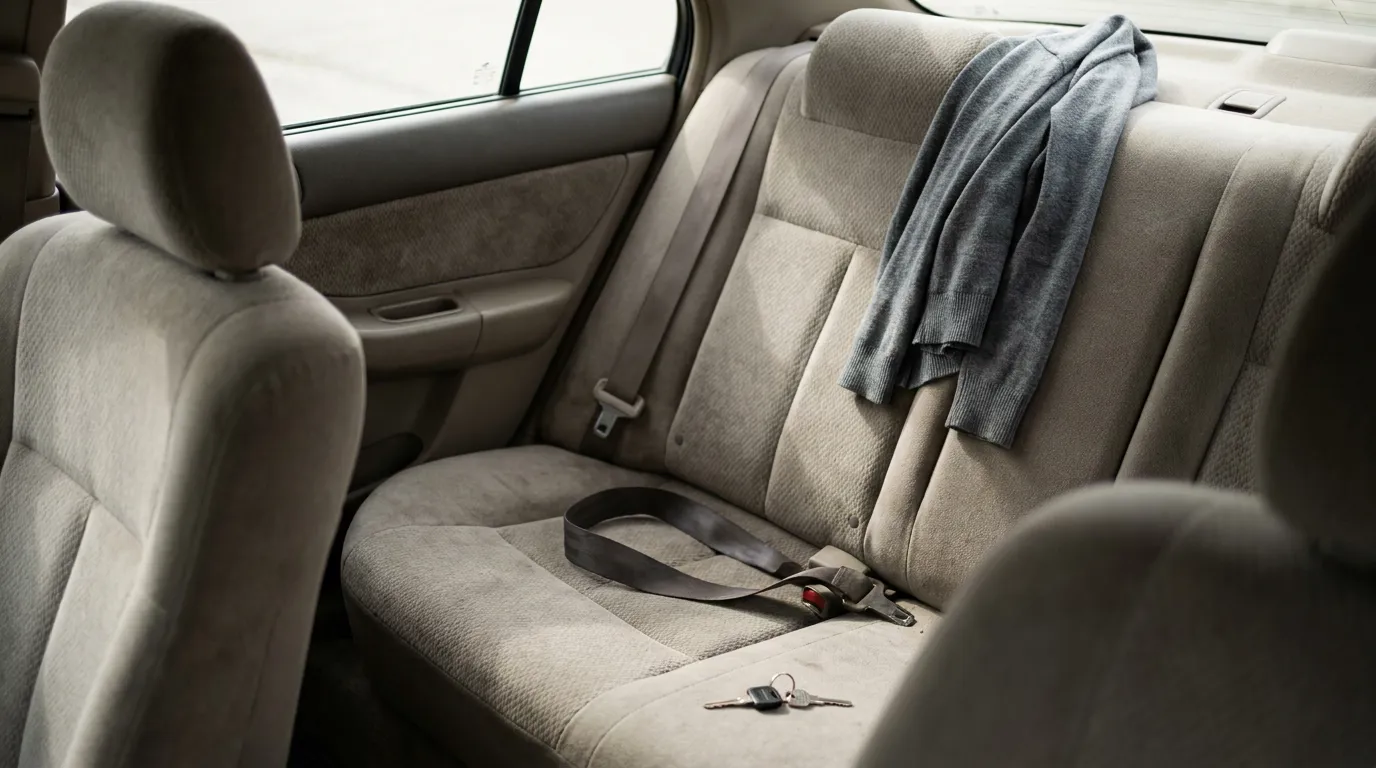
How Texas Law Treats Seat Belts, Fault, and Fatal Crashes
Texas imposes a broad seat belt requirement, and that rule shapes how insurers and courts look at these cases. The Texas seat belt statute, Transportation Code § 545.413, requires occupants to be secured in any seat equipped with a safety belt, front or back, and requires younger children to be in a child safety seat or a belt, depending on age and height.
A seat belt violation is not the same as being at fault for the crash itself. Texas follows a modified comparative responsibility system under Chapter 33 of the Civil Practice and Remedies Code. A jury assigns each party a percentage of responsibility. A claimant’s damages are generally reduced by their percentage, and recovery is barred only if that percentage is greater than 50%. In Nabors Well Services v. Romero (2015), the Texas Supreme Court held that evidence a person did not use a seat belt may be admitted, but only when it is relevant to causing the injuries, not the crash. Defendants generally need competent proof, usually expert testimony, that a belt would have prevented or reduced the harm.
Wrongful death claims in Texas come from the Wrongful Death Act, Chapter 71 of the Civil Practice and Remedies Code. The surviving spouse, children, and parents may bring the claim. If none of them files within three months of the death, the estate’s representative may generally file instead, unless the family asks that it not. A separate survival action may also be available to the estate for the deceased person’s own losses before death, such as medical expenses and conscious pain and suffering. These claims generally must be filed within two years of the death under § 16.003, subject to narrow exceptions.
A San Antonio Family Faces the Unthinkable
Imagine a 22-year-old college student riding home in the back seat of a friend’s sedan on Loop 1604 near Bandera Road. A wrong-way driver with a blood alcohol level far over the legal limit crashes into the car head-on. The student, who was unbelted, dies at University Hospital two days later. Her parents are left with crushing medical bills, funeral costs, and an unfillable loss.
Within a week, the drunk driver’s insurer calls with a low offer and brings up the seat belt. The adjuster says the student "contributed to her own death." The driver carries only the Texas minimum liability limits, and three other people were hurt in the crash. The family now needs to know every source of recovery and every defense to the insurer’s story.
Can the Family Still Sue the Drunk Driver?
Generally, yes, the family of an unbelted passenger may still pursue a wrongful death claim in Texas. The impaired driver’s conduct is usually the main cause of the collision. A passenger who did not buckle up did not cause the crash. The real question is how much, if anything, a jury might reduce the damages.
Why Seat Belt Evidence Is Not Automatically Decisive
Seat belt evidence in a Texas injury claim usually turns on medical and engineering proof, not assumptions. Under Nabors, the defense generally must show the belt would have made a real difference to the injuries. In high-speed or head-on impacts, crash reconstruction may show the forces would have been fatal regardless. Families can respond with their own accident reconstructionists, biomechanical engineers, and medical testimony.
How Comparative Fault Can Affect the Numbers
Even if a jury assigns some responsibility to the passenger, the family’s recovery is generally only reduced. Suppose a jury finds total damages of $2 million and assigns 15% to the passenger. The family could still recover $1.7 million against the responsible parties, subject to collectability and insurance limits. Results depend heavily on the facts and are never guaranteed.
Other Potentially Liable Parties
The drunk driver may not be the only party who answers for the death. Texas’s Dram Shop Act, Alcoholic Beverage Code § 2.02, may impose liability on a bar or restaurant that served someone obviously intoxicated to the point of presenting a clear danger, if that intoxication was a proximate cause of the harm. Businesses may raise a "safe harbor" defense under § 106.14 if employees completed state-approved seller training and the business did not directly or indirectly encourage illegal sales. Vehicle owners who lend a car to a driver they knew or should have known was impaired may face negligent entrustment claims. Families exploring a San Antonio DWI wrongful death case should look into all of these options early.
Texas Underinsured Motorist Coverage Can Fill the Gap
Texas underinsured motorist coverage is often the most important resource when a drunk driver carries too little insurance. Under the Texas UM/UIM and PIP statutes in Insurance Code Chapter 1952, UM/UIM coverage protects insureds who are legally entitled to recover damages from uninsured or underinsured drivers. Section 1952.101 expressly covers damages for "bodily injury, sickness, disease, or death." A family may be able to bring a UIM claim on top of the claim against the drunk driver’s policy.
When a Drunk Driver Counts as "Underinsured"
Under § 1952.103, a vehicle is generally underinsured when its liability limits are lower than the victim’s UIM limits. This also applies when payments to other people hurt in the same crash have reduced the at-fault driver’s limits below that amount. That matters in multi-victim DWI crashes, where policy limits can run out fast. Under § 1952.102, a vehicle may also be treated as uninsured if its insurer is insolvent.
How UIM Payments Work
UIM generally works as an additional layer above the drunk driver’s liability coverage. Under § 1952.106, it pays what the insured is legally entitled to recover, up to the policy limit, reduced by the amount recovered or recoverable from the at-fault driver’s insurer. Per-person limits cap what is paid for any one injured person. Whether coverage from more than one policy can be combined depends on the policy language and Texas case law. A UIM insurer generally does not have to pay until the at-fault driver’s liability and the amount of damages are established. Families should know their own insurer may become an adversary when it is time to pay a UIM claim.
Practical Steps Families Should Take Now
Taking steps early can protect a family’s claim while evidence is still available. Consider these steps:
- Get every policy’s declarations page. Under § 1952.101, insurers must include UM/UIM coverage unless a named insured rejected it in writing, so ask for any signed rejection form.
- Check for PIP. Under § 1952.151, PIP generally covers the insured, household relatives, and people riding in the insured vehicle with permission. It pays reasonable medical and funeral expenses and a portion of lost income, regardless of fault. The minimum is $2,500 per person unless a named insured rejected it in writing.
- Preserve the vehicle and crash data. Event data recorders and physical damage can be key evidence on the seat belt issue.
- Request the crash report and criminal case records. DWI charges and blood test results can strongly support the civil claim.
- Avoid recorded statements. Talk to counsel before speaking with any adjuster.
- Track the deadlines. Wrongful death claims generally must be filed within two years, and claims against government entities may have much shorter notice requirements.
How Does This Impact Me?
Does Failing to Wear a Seat Belt Bar Our Family’s Wrongful Death Claim?
Generally, no. Texas’s modified comparative fault rule bars recovery only if the deceased person’s share of responsibility exceeds 50%. Seat belt nonuse is usually raised to reduce damages, and only if the defense can prove it contributed to the injuries.
Can We Use Our Own Insurance If the Drunk Driver Has Minimal Coverage?
In many cases, yes. Texas underinsured motorist coverage may pay above the at-fault driver’s limits. That coverage could come from the policy covering the vehicle the victim rode in, or from the victim’s own or a household relative’s policy. Whether coverage exists depends on the policy language and whether anyone rejected it in writing.
How Long Do We Have to File a Claim?
The general Texas deadline for wrongful death claims is two years from the date of death. Exceptions such as tolling are narrow and do not apply automatically. Government claim notice deadlines may be far shorter, and insurance policies may impose their own notice duties.
What If the Bar That Served the Driver Is Responsible?
A dram shop claim may be available if the evidence shows the driver was obviously intoxicated, to the point of presenting a clear danger, when served, and that the intoxication helped cause the crash. These claims require quick investigation, including receipts, surveillance footage, and witness statements.
Should We Accept the Insurer’s First Offer?
Families should be careful about early offers, especially before they know every source of coverage. Accepting payment and signing a release may affect UIM rights and other claims. Many UIM policies require the insurer’s consent before you settle with the at-fault driver. Get informed guidance first.
Standing Up for Families After a Preventable Death
An unbelted passenger’s death in a DWI crash does not erase the drunk driver’s responsibility. Texas law generally allows families to pursue justice, though seat belt evidence and comparative fault may affect the outcome. Texas underinsured motorist coverage, PIP, and dram shop claims may open up more paths to recovery when the drunk driver’s insurance falls short. Paula Wyatt and her team have a proven track record of standing with grieving families against insurers who try to shift the blame. If your family has lost someone or suffered catastrophic injuries, a trusted family wrongful death claim Texas lawyer can review your options. Call 210-340-5550 or contact us today.