
Jackknife 18-wheeler crashes rank among the most devastating collisions on San Antonio roadways. A jackknife occurs when a semi-truck’s trailer swings outward at a sharp angle from the cab, sweeping across multiple lanes and striking everything in its path. These commercial vehicles can weigh up to 80,000 pounds fully loaded, meaning occupants of passenger cars caught in a jackknife collision frequently suffer catastrophic or fatal injuries, including traumatic brain injuries, spinal cord damage, and severe burns. Understanding these crash causes helps victims recognize negligence and hold responsible parties accountable.
If you or a loved one suffered life-altering injuries in a jackknife collision in San Antonio or Bexar County, Wyatt Law Firm is ready to fight for the full compensation you deserve. Call 210-972-9279 or reach out to our team online today.
How Driver Error Leads to Jackknife Truck Crashes in San Antonio
Driver negligence is one of the most common factors behind jackknife 18-wheeler accidents on San Antonio highways. Truck drivers who operate while fatigued, distracted, or impaired dramatically increase the risk of losing control. When a driver overbrakes or makes an abrupt steering correction at highway speed, the trailer can swing outward and jackknife in seconds.
Hours-of-service violations are a well-documented contributor to trucker fatigue. When drivers stay behind the wheel longer than federal regulations permit, exhaustion slows reaction time and impairs judgment. On busy stretches like I-10, I-35, or Loop 410, even brief lapses in attention can trigger chain-reaction collisions.
Distracted and intoxicated driving also play significant roles. When drowsy or impaired driving causes sudden braking or swerving, the physics of an articulated truck-trailer combination make a jackknife nearly unavoidable.
💡 Pro Tip: If you suspect a truck driver was fatigued or violated hours-of-service rules before your crash, electronic logging device (ELD) data and black-box records can provide critical evidence. These records may be overwritten quickly, so taking legal action promptly helps preserve them.
Mechanical Failures and Equipment Defects
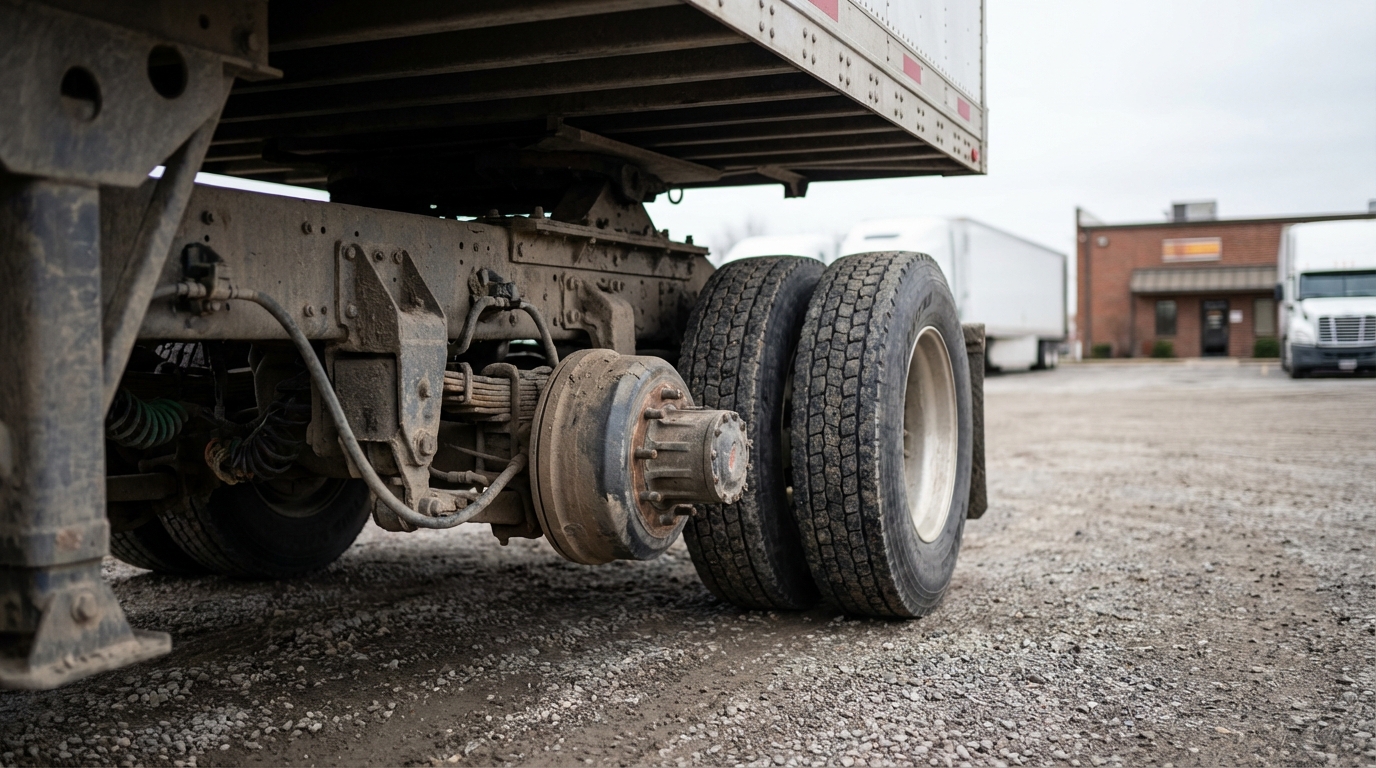
Defective or poorly maintained equipment is a leading mechanical cause of jackknife crashes. Brake failure may prevent timely stopping, or a tire blowout may cause loss of control. When brakes fail on even one axle of an 18-wheeler, uneven stopping force can push the trailer out of alignment with the cab, creating a deadly jackknife scenario.
Trucking companies and maintenance providers bear responsibility for keeping these massive vehicles roadworthy. Failure to inspect and replace worn brake pads, cracked air lines, or aging tires can turn a routine stop into a catastrophic event. For crash victims who suffered catastrophic injuries, evidence of deferred maintenance proves negligence.
💡 Pro Tip: Maintenance logs, inspection reports, and repair records are essential pieces of evidence in a truck accident claim. A thorough investigation should target these documents early, before a trucking company can alter or destroy them.
Inadequate Training and Inexperienced Drivers
A nationwide truck driver shortage has pushed many trucking companies to place dangerously inexperienced operators behind the wheel. These newly licensed drivers may lack the skill and composure needed to handle emergency braking or evasive maneuvers that could prevent a jackknife on a congested San Antonio freeway.
CDL Training Gaps
Many CDL training programs fail to prepare drivers for real-world emergencies. CDL courses tend to be brief with limited on-the-road training. Starting in February 2022, FMCSA’s Entry-Level Driver Training rule began requiring entry-level drivers to complete prescribed theory and behind-the-wheel instruction from registered training providers. However, the gap between passing a licensing exam and safely operating 80,000 pounds through urban traffic remains significant.
Employer Responsibility
Trucking companies have a legal duty to ensure their drivers are competent and adequately trained before dispatching them onto public roads. A company that cuts corners on training or hires a driver with a problematic record may bear direct liability when that driver causes a jackknife wreck. Under Texas CDL regulations, Chapter 522 includes provisions for CDL disqualification due to violations, designed to keep unsafe commercial drivers off Texas roads.
💡 Pro Tip: When investigating a jackknife crash, requesting the at-fault driver’s complete employment file, training records, and CDL history can reveal whether the trucking company negligently hired or retained an unqualified driver.
San Antonio 18-Wheeler Accident Lawyer: Overloading and Improper Cargo
Overloaded or improperly secured cargo is a frequently overlooked cause of jackknife 18-wheeler accidents. When a trailer carries too much weight or its load shifts during transit, the altered center of gravity makes the rig unstable during braking or turning.
Texas Weight and Size Regulations
Texas law sets strict limits on commercial vehicle weight and dimensions to reduce crash risk. Under Texas Transportation Code Chapter 621, a vehicle or combination of vehicles may not be operated on a public highway if it exceeds maximum axle weights or gross weight limits. Federal and state cargo securement regulations impose additional requirements for properly loading and securing freight.
Factor | Regulation / Standard | Why It Matters for Jackknife Risk |
|---|---|---|
Vehicle weight | Texas Transportation Code § 621.101 | Overweight trucks need greater stopping distance, increasing jackknife potential |
Vehicle width | Limited to 102 inches (§ 621.201) | Oversized loads reduce lane maneuverability during emergency braking |
Semitrailer length | Maximum 59 feet (§ 621.204) | Longer trailers amplify swing-out force in a jackknife |
Cargo securement | Federal and state requirements | Shifting cargo destabilizes the trailer and changes braking dynamics |
💡 Pro Tip: Weight tickets, bills of lading, and cargo loading records can reveal whether a truck was overloaded or improperly loaded at the time of your crash. Preserving this evidence early strengthens your claim.
Who Can Be Held Liable for a Jackknife Collision in Texas?
Liability in a jackknife truck crash often extends far beyond the driver. Multiple parties may have contributed to an accident. Identifying every responsible party is critical for victims of catastrophic injuries who face lifetime medical care and lost earning capacity.
Potentially liable parties in a big rig accident in San Antonio may include:
The truck driver, for negligent driving behaviors such as speeding, fatigue, or distraction
The trucking company, for negligent hiring, inadequate training, or pressuring drivers to violate safety rules
Maintenance companies, for failing to properly inspect or repair brakes, tires, or coupling systems
Cargo loading companies, for overloading the trailer or failing to secure freight
Parts manufacturers, for producing defective components that contributed to the loss of control
Each of these parties may carry separate insurance coverage, which can significantly affect total compensation available to an injured victim. A thorough investigation often uncovers evidence of negligence at multiple levels, and pursuing claims against all responsible parties helps ensure victims receive fair compensation.
The Devastating Impact of Jackknife Truck Accident Injuries
Jackknife crashes produce some of the most severe injuries seen in any motor vehicle collision. When an 18-wheeler trailer swings across lanes, it can crush passenger vehicles, push them into barriers or other traffic, or cause multi-vehicle pileups. Survivors commonly face traumatic brain injuries, spinal cord damage resulting in paralysis, multiple fractures, severe burns, and injuries requiring amputation.
The financial toll of these injuries is enormous and long-lasting. Victims may require months or years of hospitalization, multiple surgeries, and ongoing rehabilitation. Many are left unable to return to work. Insurance companies representing trucking firms frequently attempt to minimize payouts, delay claims, or shift blame to the victim. Understanding the causes of jackknife truck accidents and available legal options is critical to protecting your rights.
💡 Pro Tip: Document every medical treatment, therapy session, and out-of-pocket expense from the very beginning. Detailed records of your injuries and their impact on your daily life form the foundation of a strong claim for full compensation.
Protecting Your Rights After a Semi-Truck Crash in Bexar County
Time-sensitive evidence can disappear quickly after a jackknife 18-wheeler wreck. Trucking companies may repair or scrap damaged vehicles, and electronic data from onboard systems can be overwritten within days. Texas law imposes a two-year statute of limitations for most personal injury claims under Texas Civil Practice and Remedies Code § 16.003. Acting quickly allows your legal team to send preservation letters, secure black-box data, obtain driver logs, and lock down maintenance records before they vanish.
Building a strong case requires detailed investigation into federal and Texas motor-carrier regulations, the driver’s history, the truck’s maintenance record, and crash circumstances. A San Antonio 18-wheeler accident lawyer with experience handling commercial truck cases understands how to gather and interpret this evidence to prove negligence.
Frequently Asked Questions
1. What is the most common cause of jackknife 18-wheeler crashes?
Sudden or hard braking is the most frequent trigger. When a truck driver brakes abruptly, the trailer’s momentum can push it out of alignment with the cab. Contributing factors often include driver fatigue, distraction, speeding, wet or icy roads, and mechanical failures such as defective brakes.
2. Can I hold the trucking company liable if their driver caused a jackknife accident?
Yes, in many cases the trucking company shares liability. Trucking companies have a duty to hire competent drivers, provide adequate training, maintain vehicles, and enforce hours-of-service rules. If the company failed in any of these obligations, it may be held directly responsible for injuries caused by a jackknife truck crash.
3. What evidence is important in a jackknife truck accident case?
Key evidence includes ELD and black-box data, driver qualification files, maintenance and inspection records, cargo loading documents, and weight tickets. Witness statements, police reports, and surveillance or dashcam footage also play critical roles. Early investigation is essential because evidence can be lost quickly.
4. How long do I have to file a claim after a truck accident in Texas?
Texas generally imposes a two-year statute of limitations for personal injury claims under Texas Civil Practice and Remedies Code § 16.003. Specific circumstances may affect this timeline. Consulting with a qualified attorney as soon as possible helps ensure your claim is filed within the applicable deadline and critical evidence is preserved.
5. What types of injuries are common in jackknife 18-wheeler crashes?
Jackknife collisions frequently cause catastrophic injuries due to the massive force involved. Common outcomes include traumatic brain injuries, spinal cord damage with paralysis, crushed or amputated limbs, severe burns, and internal organ damage. Many survivors face permanent disability and require lifelong medical care.
Take Action to Protect Your Future After a Jackknife 18-Wheeler Crash
Jackknife 18-wheeler crashes in San Antonio result from preventable causes, including driver fatigue, mechanical failures, inadequate training, and overloaded cargo. Victims deserve thorough investigation and aggressive pursuit of every responsible party. The road to recovery after a catastrophic truck accident is long, but you do not have to face it alone.
If you or someone you love was seriously injured in a jackknife truck wreck in San Antonio or surrounding areas, Wyatt Law Firm is here to help you fight for the compensation you need to move forward. Call 210-972-9279 or contact us today for a confidential consultation.