
When Persistent Headaches After a San Antonio Car Wreck Point to Something Serious
Key Takeaways: Persistent headaches after a car wreck in San Antonio may indicate a traumatic brain injury that strengthens your personal injury claim. Under TX Insurance Code § 1352.003, most health benefit plans must cover comprehensive neurological treatment for acquired brain injuries. You have two years from your crash date to file a personal injury claim under Texas Civil Practice and Remedies Code § 16.003. Proving negligence requires establishing duty, breach, causation, and damages, with medical documentation as critical evidence. A headaches after car accident settlement can account for economic losses and non-economic harm like chronic pain and mental anguish.
Persistent headaches that refuse to fade weeks or months after a San Antonio car wreck may prove far more than discomfort. They serve as powerful medical evidence of a traumatic brain injury that fundamentally changes your life and claim value. When headaches linger, intensify, or bring cognitive difficulties, they point to damage insurance adjusters cannot dismiss as minor. NHTSA estimates that approximately 39,345 people died in U.S. traffic crashes in 2024, confirming that catastrophic car accident injuries remain a public safety crisis.
If you or a loved one suffers from debilitating headaches after a serious car crash, Wyatt Law Firm fights relentlessly for catastrophic injury victims. Call Paula Wyatt at 210-340-5550 or reach out to our team today to discuss your case.
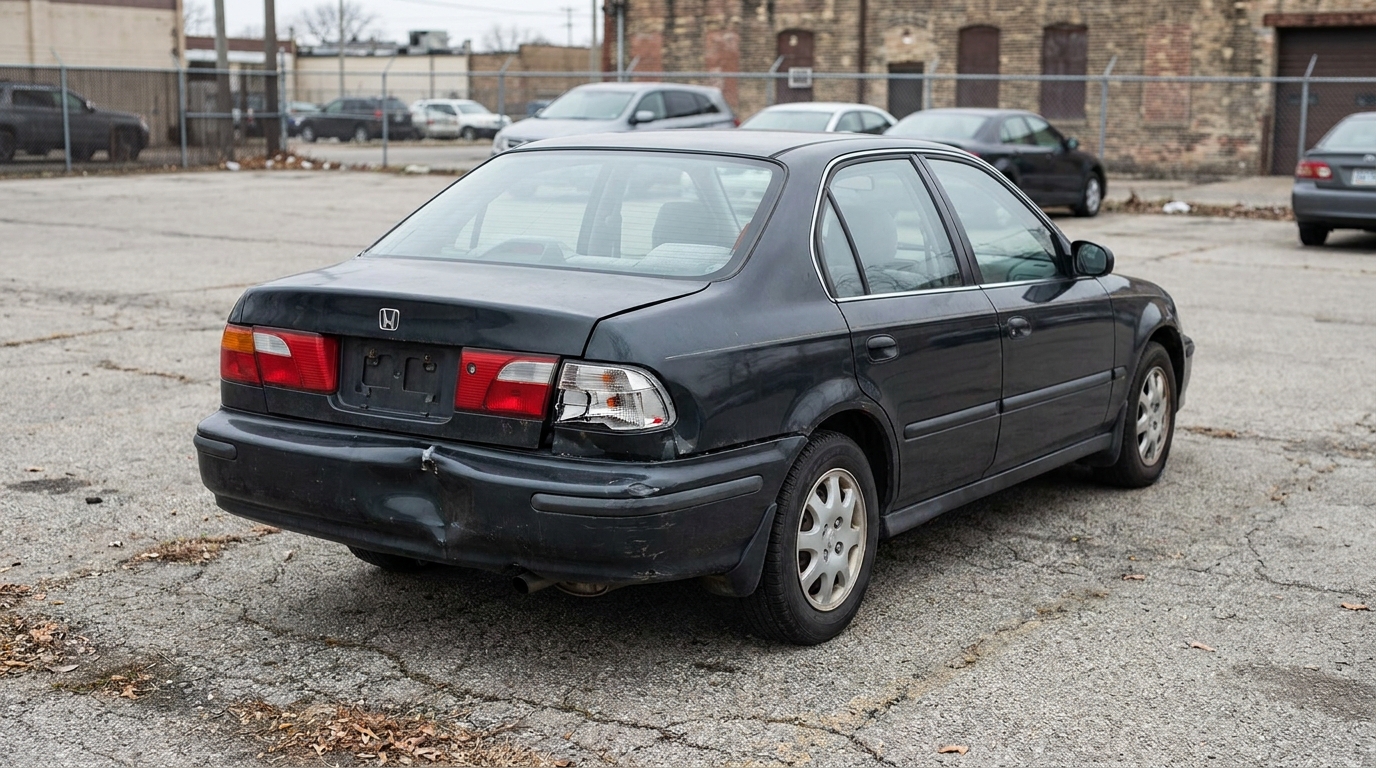
Why Post-Crash Headaches May Signal a Traumatic Brain Injury
Headaches persisting for weeks or months after a collision are not ordinary pain. They frequently indicate traumatic brain injury. Medical research, including imaging studies published through the Mayo Clinic, documents the neurological changes underlying post-traumatic headaches. When the brain sustains trauma during a high-impact crash, resulting inflammation, nerve damage, or intracranial pressure can produce worsening headaches.
These symptoms often accompany other devastating cognitive and neurological deficits. Victims may experience memory loss, difficulty concentrating, light sensitivity, mood changes, and chronic fatigue. When headaches appear alongside these signs, they form a clinical picture supporting an acquired brain injury diagnosis. This diagnosis transforms your claim from routine to catastrophic with significantly higher potential damages. Learn more about whether your headaches signal a brain injury and what steps to take next.
💡 Pro Tip: Keep a daily headache journal documenting severity, duration, location, and triggers. This contemporaneous record becomes powerful evidence establishing the ongoing nature and severity of your neurological injury.
How Headaches After Car Accident Settlement Demands Are Built in Texas
Building a strong settlement demand around persistent headaches requires connecting your symptoms directly to the at-fault driver’s negligence. Texas tort law allows personal injury claimants to seek compensation for economic damages (medical expenses and lost wages) and non-economic damages (physical pain, mental anguish, disfigurement, and physical impairment). Chronic post-traumatic headaches drive up both categories when they prevent you from working, caring for your family, or living without constant pain.
To establish negligence in a Texas car accident injury claim, you must prove four elements: the opposing party owed you a duty of care, breached that duty, your injuries resulted directly from that breach, and you suffered actual recoverable damages. Persistent headaches documented through neurological testing, imaging, and consistent medical records serve as direct evidence of both causation and damages.
Documenting Your Headaches for Maximum Claim Value
Medical documentation is the backbone of any serious injury car crash claim in San Antonio. Neuropsychological testing, MRIs, CT scans, and physician evaluations create a paper trail insurance companies cannot easily dispute.
- Obtain neuropsychological testing results quantifying cognitive deficits
- Secure imaging studies revealing structural or functional brain changes
- Collect treatment records from every provider addressing your headaches
- Document lost workdays and reduced earning capacity tied to your symptoms
- Gather statements from family members witnessing your decline
💡 Pro Tip: Never give a recorded statement to the at-fault driver’s insurance company before consulting a catastrophic injury attorney. Adjusters may use your words to argue headaches are unrelated to the crash.
What Damages Can Persistent Headaches Support?
The following table outlines the categories of damages that chronic post-crash headaches may support in a Texas personal injury claim:
| Damage Category | Examples | How Headaches Apply |
|---|---|---|
| Economic Damages | Medical bills, lost wages, future treatment costs | Ongoing neurological care, missed work due to debilitating pain |
| Non-Economic Damages | Pain and suffering, mental anguish, physical impairment | Chronic daily headaches, inability to enjoy life, emotional distress |
| Future Damages | Projected medical needs, diminished earning capacity | Lifetime neurological monitoring, career limitations from cognitive deficits |
Texas Law Protects Your Right to Brain Injury Treatment
Texas has enacted protections ensuring car accident victims with acquired brain injuries receive comprehensive medical care. Under TX Insurance Code § 1352.003(a), health benefit plans other than small employer health benefit plans must include coverage for cognitive rehabilitation therapy, cognitive communication therapy, neurocognitive therapy and rehabilitation, neurobehavioral, neurophysiological, neuropsychological, and psychophysiological testing and treatment, neurofeedback therapy, and remediation required for and related to treatment of an acquired brain injury. Under subsection (c-1), these plans may not limit the number of days of covered post-acute care when treatment is medically necessary.
The law protects post-acute treatment needs. TX Insurance Code § 1352.003(b) mandates that health benefit plans cover post-acute transition services and community reintegration services necessary as a result of an acquired brain injury. Under § 1352.003(c-1), the treating physician determines whether treatment or care is medically necessary in consultation with the care provider, the insured or enrollee, and, if appropriate, members of the insured’s or enrollee’s family. These protections strengthen the legal basis for including extensive neurological treatment costs in your settlement demand.
💡 Pro Tip: If your insurance company denies coverage for brain injury treatment, request the denial in writing and share it with your attorney immediately. Texas law may prohibit that denial.
Comparative Negligence and How It Affects Your Headache Claim
Even if you bear some responsibility for the collision, Texas law may still allow you to recover damages. Texas follows the modified comparative negligence rule under Texas Civil Practice and Remedies Code Chapter 33. Under § 33.001, a claimant may not recover damages if their percentage of responsibility exceeds 50 percent. If your fault is 50 percent or less, the court reduces your damages proportionally.
For example, if a court determines you were 20% at fault, your damages would be reduced by 20%. This principle is particularly relevant in concussion headache cases where insurance companies may try to shift blame onto you. Strong medical evidence tying your persistent headaches to the collision counters these tactics and preserves your claim’s full value.
The Two-Year Filing Deadline You Cannot Afford to Miss
Texas Civil Practice and Remedies Code § 16.003 imposes a two-year statute of limitations on personal injury actions, including those arising from car wrecks. This deadline generally begins running from the accident date. Missing it can permanently bar your right to seek compensation, regardless of how severe your headaches or brain injury may be.
💡 Pro Tip: Do not wait for your headaches to resolve before consulting an attorney. Some traumatic brain injuries produce symptoms that worsen over months, and starting your legal case early preserves critical evidence.
The At-Fault Driver’s Legal Duties After a San Antonio Crash
Texas law imposes immediate obligations on any driver involved in a collision resulting in personal injury. Under TX Transportation Code § 550.021(a), the driver must immediately stop at the scene, determine whether anyone requires aid, and remain until all legal duties are fulfilled. Violations involving serious bodily injury constitute a third-degree felony.
When a driver flees the scene of a crash that caused your brain injury, it does not eliminate your right to compensation. Hit-and-run cases require more aggressive investigation, but a serious injury car crash attorney with extensive experience can pursue every available avenue to identify the responsible party and hold them accountable.
Structured Settlements and Long-Term Headache Compensation
For car accident victims whose headaches indicate a long-term or permanent neurological condition, Texas law recognizes structured settlements as a method for receiving compensation. TX Civil Practice and Remedies Code § 141.002(13) defines a structured settlement as an arrangement for periodic payment of damages for personal injuries or sickness established by settlement or judgment in resolution of a tort claim, or for periodic payments in settlement of a workers’ compensation claim. This means your ongoing headache treatment, lost earning capacity, and pain can be factored into payments spread over time rather than a single lump sum.
💡 Pro Tip: Before accepting any settlement offer, have your attorney evaluate whether a structured settlement better serves your long-term medical and financial needs. Early lowball offers rarely account for the true lifetime cost of a traumatic brain injury.
Frequently Asked Questions
1. Can persistent headaches alone support a car accident injury claim in Texas?
Yes, persistent headaches can serve as significant evidence in a personal injury claim. When medical records, imaging, and neuropsychological testing link your headaches to trauma sustained in the crash, they help establish both causation and damages. Headaches indicating a traumatic brain injury can substantially increase your claim’s value.
2. How long do I have to file a headaches after car accident settlement claim in Texas?
Texas generally imposes a two-year statute of limitations on personal injury claims under Civil Practice and Remedies Code § 16.003. This period typically begins on the crash date. Filing promptly protects your rights and preserves evidence.
3. What if the insurance company says my headaches are not related to the car wreck?
Insurance adjusters routinely attempt to minimize or deny the connection between post-crash headaches and the collision. Thorough medical documentation is essential. Neurological evaluations, imaging studies, and consistent treatment records create an evidence trail that counters the insurer’s position.
4. Does Texas law require my health insurance to cover brain injury treatment after a crash?
Under TX Insurance Code § 1352.003, health benefit plans other than small employer health benefit plans in Texas must cover a broad range of brain injury treatments. This includes cognitive rehabilitation therapy, cognitive communication therapy, neurocognitive therapy and rehabilitation, neurobehavioral, neurophysiological, neuropsychological, and psychophysiological testing and treatment, neurofeedback therapy, and remediation required for an acquired brain injury. Your treating physician determines what treatment is medically necessary.
Fighting for San Antonio Car Wreck Victims With Life-Altering Injuries
Persistent headaches after a San Antonio car wreck are not something to endure in silence or dismiss as minor. They may prove the existence of a traumatic brain injury that entitles you to substantial compensation for medical treatment, lost income, pain and suffering, and diminished quality of life. Texas law provides strong protections for brain injury victims, from mandatory health benefit plan coverage for neurological treatment to the right to pursue full economic and non-economic damages. The evidence your headaches provide can be the foundation of a powerful case, but only if you act within legal deadlines and build your claim with thorough documentation and tenacious legal advocacy.
Paula Wyatt and Wyatt Law Firm stand with victims of catastrophic car accident injuries in San Antonio and fight relentlessly to hold negligent parties accountable. Call 210-340-5550 or contact us now to take the first step toward the justice and compensation you deserve.