
How Carbon Monoxide Quietly Attacks the Human Heart
Key Takeaways: Carbon monoxide poisoning causes serious and often permanent heart damage by displacing oxygen in the blood, starving the heart of what it needs to function. Documented cardiac consequences include arrhythmias, coronary spasm, myocardial infarction (heart attack), and stent thrombosis in survivors with prior heart conditions. Because effects can surface days or years later, cardiac harm is frequently underestimated initially. In Texas, recovering compensation requires proving negligence, duty, breach, causation, and damages. While some statutes limit landowner liability, those limits do not shield willful, wanton, or grossly negligent conduct. Strict statutes of limitations make preserving medical and maintenance records and acting promptly essential. Survivors in San Antonio can turn to Wyatt Law Firm for compassionate advocacy in pursuing accountability and full compensation.
Carbon monoxide poisoning can inflict lasting, sometimes fatal harm on the heart, with danger continuing long after the gas is gone. Because carbon monoxide replaces oxygen in red blood cells, it starves vital organs, with the heart among those most affected. For survivors in San Antonio, the aftermath can include arrhythmias, heart attacks, and permanent cardiac injury.
If you or someone you love has suffered cardiac harm after a preventable exposure, the team at Wyatt Law Firm is ready to listen and fight. Call us today at 210-340-5550 or reach out through our confidential case review page to discuss your options.
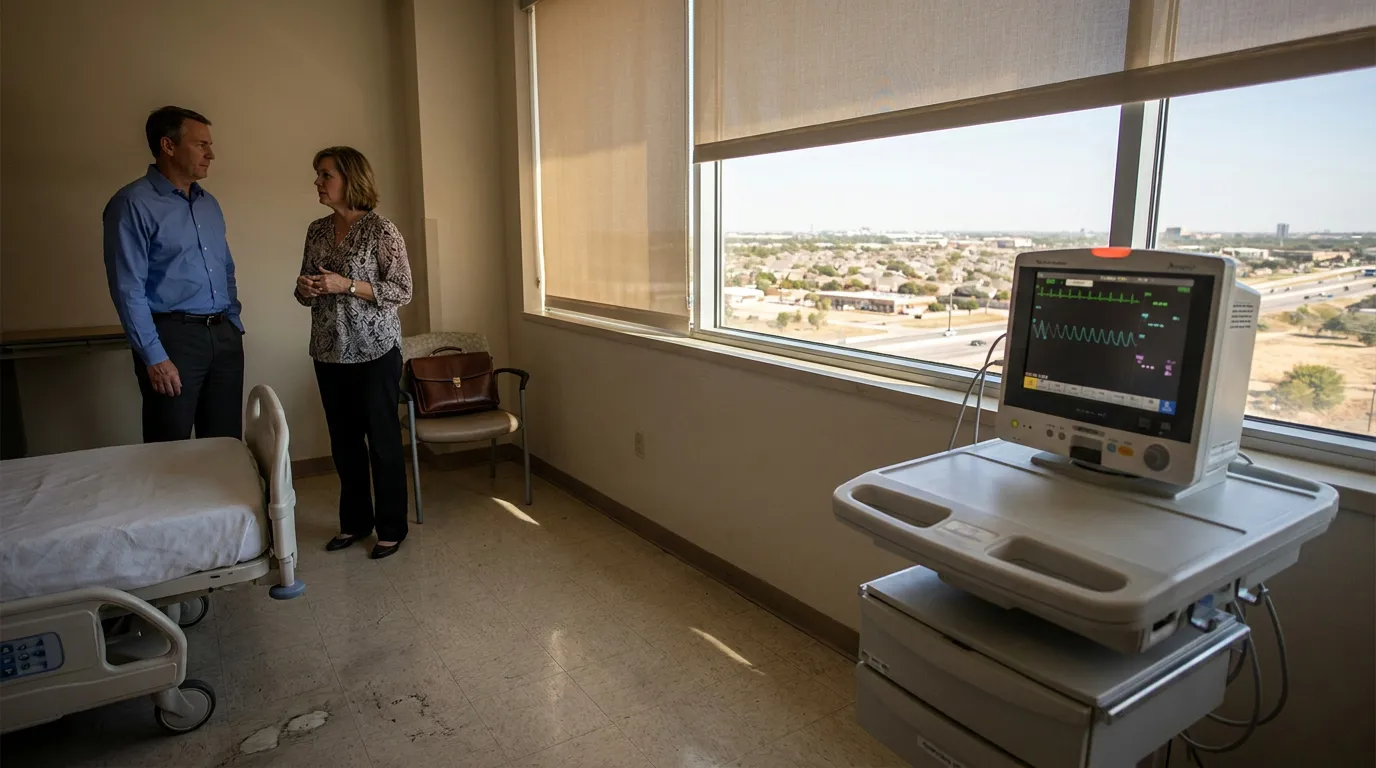
The Cardiac Toll of a Silent, Invisible Gas
Carbon monoxide is often called a silent killer because it is odorless, colorless, and capable of overwhelming the body before a victim realizes anything is wrong. When inhaled, the gas binds to hemoglobin and blocks oxygen from reaching vital tissues. Medical authorities recognize that carbon monoxide poisoning can cause damage to the heart, possibly leading to life-threatening heart problems.
The severity of damage tracks closely with exposure. Damage generally depends on how much is breathed in and for how long, which is why prolonged leaks in apartments, hotel rooms, or workplaces can prove catastrophic. Learn more about how this gas harms the body through this overview of carbon monoxide poisoning symptoms.
💡 Pro Tip: Save every discharge summary, cardiology report, and imaging result. These records help establish exposure concentration and duration, which can become central evidence in a Texas CO poisoning claim.
Understanding the Long Term Effects of Carbon Monoxide Poisoning on the Heart
The long term effects of carbon monoxide poisoning on cardiac health can be profound. Carbon monoxide poisoning has a variety of deleterious cardiac effects, including arrhythmias, coronary spasm, and myocardial infarction. These represent serious, often permanent injury to the heart muscle.
One important mechanism behind this harm is the gas’s tendency to promote clotting. The pro-thrombotic effect of carbon monoxide poisoning is one of the important postulated mechanisms of cardiac injury. This clotting tendency helps explain why medical literature contains multiple case reports of myocardial infarction secondary to carbon monoxide poisoning.
When Prior Heart Conditions Multiply the Danger
Patients who already live with heart disease may face amplified risk after carbon monoxide exposure. A peer-reviewed case in Cardiovascular Revascularization Medicine documented the first reported case of CO-poisoning-induced stent thrombosis, involving a 50-year-old woman with a sirolimus-eluting stent. This illustrates that survivors with prior cardiac stents can face added, sometimes deadly, complications after CO exposure.
Because these effects can surface days or even years later, cardiac harm is frequently underestimated initially. In severe cases, physicians turn to hyperbaric oxygen therapy to protect heart and brain tissue from carbon monoxide damage. Our guide to the long term effects of carbon monoxide poisoning walks survivors and families through what to watch for.
The following table summarizes documented cardiac consequences of CO exposure:
| Cardiac Effect | What It Means for Survivors |
|---|---|
| Arrhythmias | Irregular heart rhythms that may require ongoing monitoring |
| Coronary spasm | Sudden narrowing of arteries that can restrict blood flow |
| Myocardial infarction | A heart attack triggered by oxygen deprivation or clotting |
| Stent thrombosis | Clotting within an existing stent, a documented CO risk |
💡 Pro Tip: Ask your cardiologist to note in writing whether your heart condition is linked to the exposure. A clear medical opinion on causation strengthens the connection between the negligent condition and your injury.
Proving Fault in Texas Carbon Monoxide Cases
Recovering compensation for carbon monoxide heart damage in Texas generally requires proving the elements of a negligence claim: duty, breach, causation, and damages. In premises- and products-liability matters, that means showing a landlord, property owner, or manufacturer failed to maintain safe conditions and this failure caused the exposure. Maintenance and inspection records are crucial.
Texas law places certain limits on landowner liability, but those limits are not absolute. Under Texas Civil Practice and Remedies Code § 75.0025(d), the statute does not limit the liability of an owner, lessee, or occupant of land for an injury caused by willful or wanton acts or gross negligence. A related provision, Texas Civil Practice and Remedies Code § 75.0022(d)-(e), limits certain electric utilities’ duties for recreation-related injuries, yet preserves liability for serious bodily injury or death proximately caused by willful or wanton acts or gross negligence. Review the full text of these premises-liability protections in the Texas recreational use statute.
The definition of "serious bodily injury" is broad enough to encompass lasting cardiac harm. Texas Civil Practice and Remedies Code § 75.0022(a)(4) defines serious bodily injury to include the protracted loss or impairment of the function of a body part or organ, language that can reach permanent heart damage. This matters because gross negligence in maintaining a hazardous condition can overcome certain statutory liability limits.
Special Rules for Contaminants, Charities, and Remediation
Several other Texas statutes shape how carbon monoxide cases unfold. When a property owner is sued for the migration of an air contaminant other than odor, Texas Civil Practice and Remedies Code § 75.002(h) requires proving actual and substantial damages. This underscores why documented cardiac harm is essential.
Charitable and remediation contexts carry their own carve-outs. Texas Civil Practice and Remedies Code § 84.007(g) withdraws charitable liability limits when an organization does not carry required liability insurance coverage of at least $500,000 per person and $1,000,000 per occurrence. Separately, Texas Health and Safety Code § 361.910(a) removes liability limits where a person negligently or knowingly contributed to or caused the release of a hazardous substance.
💡 Pro Tip: Photograph the appliance, vent, or system you suspect caused the leak, and request that it be preserved. Physical evidence can disappear quickly once repairs begin.
Deadlines That Can Make or Break a Claim
In Texas, a statute of limitations sets a firm deadline for filing a lawsuit, and missing it generally bars the claim. A statute of limitations is a deadline set by law for when a lawsuit must be filed, and if you do not file within the applicable period, you likely cannot pursue the claim. For personal injury matters, that window is generally two years from when the claim accrues.
This timing concern is especially acute for CO poisoning survivors whose heart complications appear later. Texas courts may consider doctrines that affect when a deadline begins to run, but they interpret such exceptions narrowly.
Before considering legal action, keep these steps in mind:
- Seek immediate medical care and follow up with a cardiologist.
- Preserve maintenance logs, inspection reports, and repair invoices.
- Keep a record of symptoms, hospitalizations, and lost work time.
- Consult counsel early to avoid missing critical deadlines.
Government-related administrative claim deadlines, where they apply, operate separately from civil lawsuit deadlines. Confusing the two can cost a family its right to recover. A knowledgeable San Antonio carbon monoxide attorney can help identify which deadlines govern your situation.
How Wyatt Law Firm Stands With CO Poisoning Survivors
Paula Wyatt has built a reputation as a relentless advocate for the injured, the grieving, and those wronged by corporate negligence. The firm focuses on catastrophic and life-altering cases, including carbon monoxide poisoning claims that leave survivors and families facing permanent disability or wrongful death. This focus means firm resources are aimed at holding powerful defendants and their insurers accountable.
Building a strong carbon monoxide injury lawsuit takes preparation, persistence, and a command of both medicine and law. From gathering maintenance histories to working with medical professionals who can explain how exposure damaged the heart, the goal is to prove causation and pursue full compensation.
Frequently Asked Questions
1. Can carbon monoxide poisoning cause a heart attack?
Yes. Medical literature documents multiple case reports of myocardial infarction secondary to carbon monoxide poisoning, driven partly by the gas’s pro-thrombotic effect. Survivors with existing heart disease may face heightened risk.
2. How long do the effects on the heart last?
The long term effects of carbon monoxide poisoning on the heart can be permanent. Damage depends on how much gas was inhaled and for how long, with some survivors experiencing lasting arrhythmias or reduced heart function.
3. Who can be held responsible for a CO exposure in San Antonio?
Potentially responsible parties include landlords, property owners, product manufacturers, or contractors whose negligence caused the release. Liability depends on proving duty, breach, causation, and damages.
4. Does Texas law protect landowners from CO claims?
Some statutes limit landowner liability, but Texas Civil Practice and Remedies Code § 75.0025(d) preserves liability for willful or wanton acts or gross negligence, meaning limits do not shield defendants who recklessly disregard safety.
5. How quickly should I contact a lawyer?
As soon as possible. Because deadlines under the statute of limitations are strict and exceptions are narrowly interpreted, early action helps protect both evidence and your right to file.
Protecting Your Health and Your Future After CO Exposure
Carbon monoxide poisoning is a catastrophic event that can leave lasting scars on the heart and on an entire family. From arrhythmias and coronary spasm to heart attacks and stent thrombosis, the cardiac consequences of exposure are serious, well-documented, and frequently delayed. Texas law offers meaningful paths to accountability, especially where gross negligence or a hazardous release caused the harm, but strict deadlines and evidentiary requirements make timely action essential.
You do not have to face this fight alone. Contact the compassionate advocates at Wyatt Law Firm today by calling 210-340-5550 or by requesting a free consultation through our secure contact form. Let a determined San Antonio team stand in your corner and pursue the justice you and your family deserve.