
How Comparative Fault Can Affect Your San Antonio Wrongful Death Claim
When a fatal car crash, truck collision, or other catastrophic accident takes someone you love, the last thing you expect is for the insurance company to blame your loved one for their own death. Yet in wrongful death cases across San Antonio and Bexar County, this is exactly what happens. Texas follows a modified comparative fault rule, which means the other side will try to assign a percentage of responsibility to the person who died to reduce or eliminate compensation owed to surviving family members. Under Texas Civil Practice and Remedies Code § 33.001, a claimant may not recover damages if their responsibility exceeds 50 percent. Understanding how comparative fault works in a Texas wrongful death claim directly determines how much your family can recover and whether you can recover at all.
If your family has lost a loved one in a wrongful death car accident or fatal incident caused by negligence, Wyatt Law Firm is here to fight for you. Call Paula Wyatt at 210-340-5550 or reach out to our team today for a case evaluation.
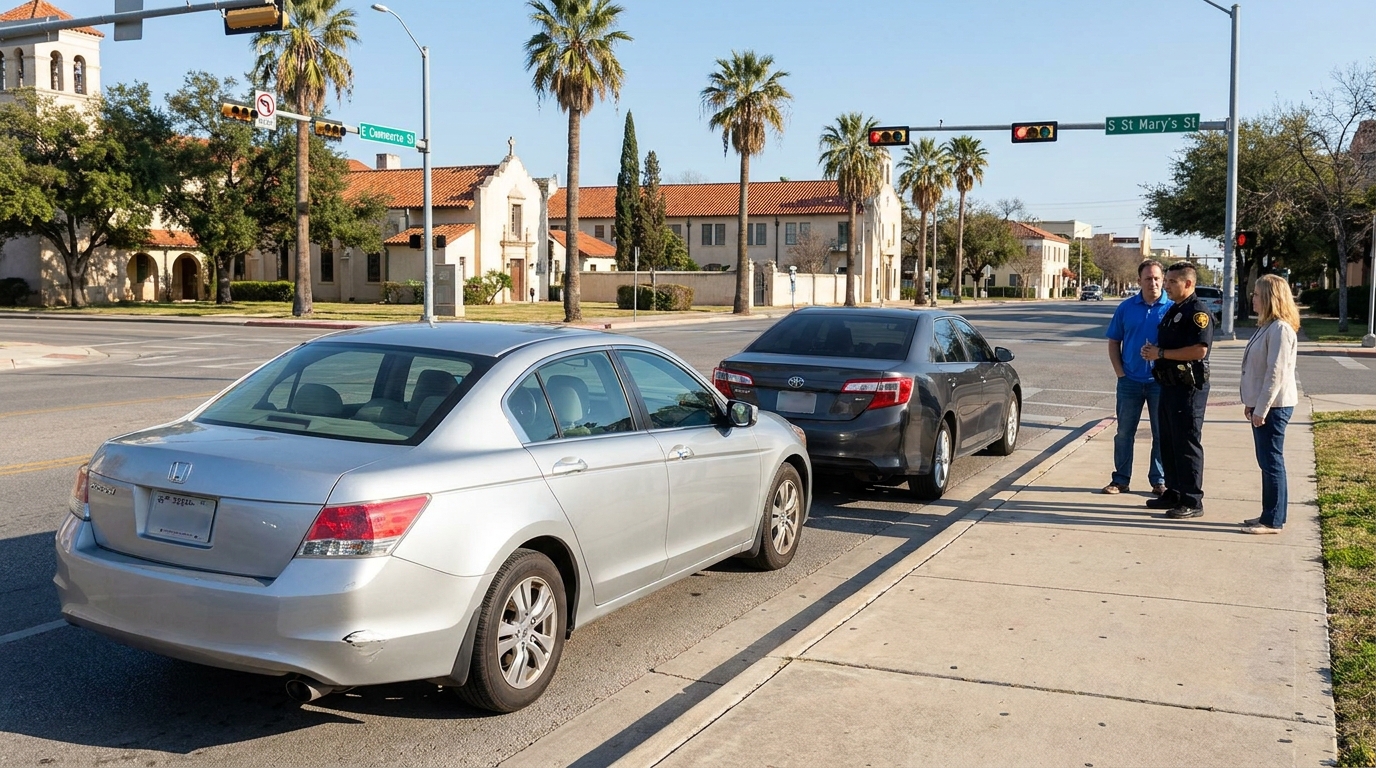
What Is Modified Comparative Fault in Texas?
Texas uses a modified comparative negligence model with a 51 percent bar, meaning a plaintiff cannot recover if their responsibility exceeds 50 percent. This legal framework is governed by the Proportionate Responsibility statute in Chapter 33 of the Texas Civil Practice and Remedies Code. Texas no longer follows the contributory negligence doctrine, which would have completely barred any recovery by a partially at-fault claimant.
Here is what this means in practical terms. If a judge or jury determines that your loved one was 20 percent at fault for the fatal collision, your family’s total damages award would be reduced by that 20 percent. However, if the decedent is found to be 51 percent or more at fault, the family recovers nothing. The law gives judges and juries the duty to determine each party’s percentage of responsibility, not insurance adjusters acting unilaterally. This distinction matters because insurance companies may pressure families into accepting blame that has not been established by any court.
💡 Pro Tip: Never accept an insurance adjuster’s determination of fault as final. Only a judge or jury has the legal authority to assign percentages of responsibility under Texas law.
Who Can File a Wrongful Death Car Accident Claim in Texas?
Texas law limits who may bring a wrongful death lawsuit. Only the surviving spouse, children, and parents of the decedent have standing to file. If no eligible beneficiary files suit within three calendar months of the death, the executor or administrator of the decedent’s estate may bring the action on behalf of the beneficiaries. Wrongful death claims compensate these beneficiaries for the loss of their relationship with the decedent through monetary damages apportioned based on each individual’s losses.
This is particularly important in wrongful death car accident cases in San Antonio where multiple family members may be grieving. If you are unsure whether you qualify as a wrongful death beneficiary, consulting with a wrongful death attorney San Antonio families trust can help clarify your legal standing.
How Comparative Fault Applies to Wrongful Death Cases
The proportionate responsibility statute under Texas Civil Practice and Remedies Code § 33.001 applies to any cause of action based in tort, which includes wrongful death claims filed in San Antonio and throughout Texas. This means the defense can raise comparative fault as a strategy to reduce or eliminate your family’s recovery. In a fatal car crash case, the at-fault driver’s legal team might argue that the decedent was speeding, distracted, or committed traffic violations. Note that under Texas law, evidence that the decedent failed to wear a seatbelt is generally admissible to establish comparative fault in a wrongful death case; the Texas Supreme Court in Nabors Well Services, Ltd. v. Romero, 456 S.W.3d 553 (Tex. 2015), held that relevant evidence of seatbelt non-use is admissible for apportioning responsibility when the non-use caused or contributed to the injuries or death.
Your legal team must be prepared to counter these allegations with evidence. Accident reconstruction analysis, witness testimony, vehicle data recorders, and traffic camera footage can all establish that the other party bore the greater share of responsibility.
💡 Pro Tip: Preserve every piece of evidence as early as possible. Surveillance footage, dashcam recordings, and cell phone records can disappear quickly.
The 51 Percent Fault Rule and What It Means for Your Family
Under the 51 percent fault rule in Texas, your family’s entire claim hinges on staying at or below the 50 percent threshold. If the decedent is assigned even 51 percent of the fault, the family is completely barred from recovering any damages. This makes the percentage-of-fault determination the single most consequential issue in many Bexar County wrongful death cases.
Consider the following comparison to see how the rule works in practice:
| Decedent’s Fault | Total Damages Awarded | Amount Family Recovers |
|---|---|---|
| 0% | $2,000,000 | $2,000,000 |
| 25% | $2,000,000 | $1,500,000 |
| 50% | $2,000,000 | $1,000,000 |
| 51% | $2,000,000 | $0 |
The stakes could not be higher. A single percentage point can mean the difference between substantial recovery and nothing. Defense attorneys and insurance carriers understand this and will aggressively pursue any theory that pushes fault onto the decedent.
💡 Pro Tip: The comparative negligence landscape varies by state. If your loved one’s fatal accident involved an out-of-state driver or occurred near the Texas border, confirm the governing jurisdiction early in your case.
The Two-Year Deadline You Cannot Afford to Miss
Texas wrongful death claims carry a two-year statute of limitations under Texas Civil Practice and Remedies Code § 16.003. This means the lawsuit must generally be filed within two years from the date of death. Missing this deadline can permanently bar the family from pursuing any recovery, regardless of how strong the evidence may be.
While courts may recognize narrow exceptions involving tolling or the discovery rule, these exceptions are interpreted strictly. The safest course is to begin the legal process as soon as possible after the loss. Early action also strengthens the case by preserving physical evidence, securing witness statements, and obtaining records before they are lost.
💡 Pro Tip: The statute of limitations in Texas applies separately to wrongful death claims and survival actions. Consult with your attorney about both deadlines.
What Damages Can Wrongful Death Beneficiaries Recover?
Wrongful death damages in Texas are designed to compensate beneficiaries for the full scope of their loss. Compensable damages in a Texas car accident wrongful death case may include:
- Loss of financial support and earning capacity the decedent would have provided
- Loss of companionship, love, comfort, and guidance
- Mental anguish and emotional suffering experienced by surviving family members
- Loss of inheritance
- Funeral and burial expenses
The value of these losses in catastrophic and fatal accident cases is often substantial. Families who have lost a primary breadwinner or parent to young children face economic devastation on top of unbearable grief.
How Insurance Companies Use Comparative Fault Against Grieving Families
Insurance carriers defending wrongful death car accident claims in San Antonio frequently deploy comparative fault as their primary weapon. Their goal is straightforward: shift enough blame onto the decedent to either reduce the payout or push the fault percentage above 50 percent to eliminate it entirely. They may point to the decedent’s driving history, toxicology results, or alleged traffic violations to build this narrative.
Families should understand that these tactics are strategic, not factual determinations. An insurance company’s internal assessment of fault carries no legal weight. Paula Wyatt and the team at Wyatt Law Firm have decades of experience confronting these tactics, fighting corporate defendants and insurance companies who try to silence grieving families with lowball offers or blame-shifting strategies.
💡 Pro Tip: Do not provide a recorded statement to any insurance company without first speaking to your attorney. Adjusters are trained to elicit responses that can be used to establish comparative fault.
Frequently Asked Questions
1. Can my family still recover damages if my loved one was partially at fault for the fatal crash?
Yes, but the recovery will be reduced.
Under Texas Civil Practice and Remedies Code § 33.001, your family’s damages are reduced by the decedent’s percentage of fault. For example, if the decedent was 30 percent at fault and total damages equal $1,000,000, the family would recover $700,000. However, if the decedent’s fault exceeds 50 percent, the family recovers nothing.
2. Who decides the percentage of fault in a wrongful death case?
Judges and juries make this determination.
Texas law assigns the trier of fact, typically a jury or a judge in a bench trial, the duty to determine each party’s percentage of responsibility. Insurance adjusters do not have this authority. Their fault assessments are internal calculations designed to serve the insurer’s financial interests, not legal rulings.
3. How long do I have to file a wrongful death claim in San Antonio?
Generally, two years from the date of death.
The statute of limitations for wrongful death claims in Texas is two years under Texas Civil Practice and Remedies Code § 16.003. While limited exceptions may exist, courts interpret tolling provisions narrowly. Filing promptly protects both the family’s legal rights and the integrity of available evidence.
4. What is the difference between contributory negligence and comparative fault in Texas?
Texas abandoned contributory negligence in favor of modified comparative fault.
Under the old contributory negligence doctrine, any fault on the part of the injured party would have completely barred recovery. Texas replaced this approach with the proportionate responsibility framework under Chapter 33 of the Texas Civil Practice and Remedies Code, which allows partial recovery as long as the claimant’s fault does not exceed 50 percent.
Protecting Your Family’s Right to Full Compensation
Losing a loved one to someone else’s negligence is devastating, and the legal system should not add to that burden. Comparative fault in a San Antonio wrongful death case is a complex legal issue that can dramatically affect your family’s recovery. Understanding the modified comparative fault framework, knowing who qualifies to file, respecting the statute of limitations, and building a strong evidentiary case against blame-shifting tactics are all essential steps in pursuing justice.
Paula Wyatt and Wyatt Law Firm stand with families who have suffered the unthinkable. If you lost a loved one in a fatal car crash, truck accident, or any incident caused by negligence in San Antonio or across Texas, call 210-340-5550 or contact us now to discuss your wrongful death claim.