
San Antonio sits at the crossroads of Texas’s most active oil and gas producing regions, where workers face serious hazards every shift. From catastrophic burns and crushing struck-by incidents to amputations and toxic chemical exposure, oil field injuries in San Antonio are severe. Between January 2015 and July 2022, over 2,100 severe work-related injuries were reported in the oil and gas extraction sector under federal OSHA jurisdiction, with many leaving workers permanently disabled or worse. If you’ve been hurt on a rig or well site, understanding the most common injury types is the first step toward holding negligent operators accountable.
Wyatt Law Firm fights for injured oilfield workers and their families across San Antonio and South Texas. Call 210-972-9279 or contact us today for a confidential case review.
Struck-By Incidents and Falling Object Injuries
Struck-by hazards involving falling objects and suspended loads rank among the deadliest dangers on any oil field site. OSHA dedicated two separate Fatal Facts case studies to struck-by incidents. Heavy drill pipe, unsecured tools, swinging crane loads, and improperly rigged equipment can strike workers with devastating force, causing traumatic brain injuries, crushed limbs, spinal cord damage, and death.
These incidents often point to safety protocol failures. When operators or contractors neglect to secure suspended loads, fail to establish exclusion zones, or skip equipment inspections, injured workers may have grounds for a third-party negligence claim beyond workers’ compensation.
💡 Pro Tip: After any struck-by incident, document equipment position, rigging configurations, and safety barriers (or lack thereof) immediately. Photographs and witness statements can become critical evidence in proving negligence.
Amputations and Crushing Injuries on Oil Rigs
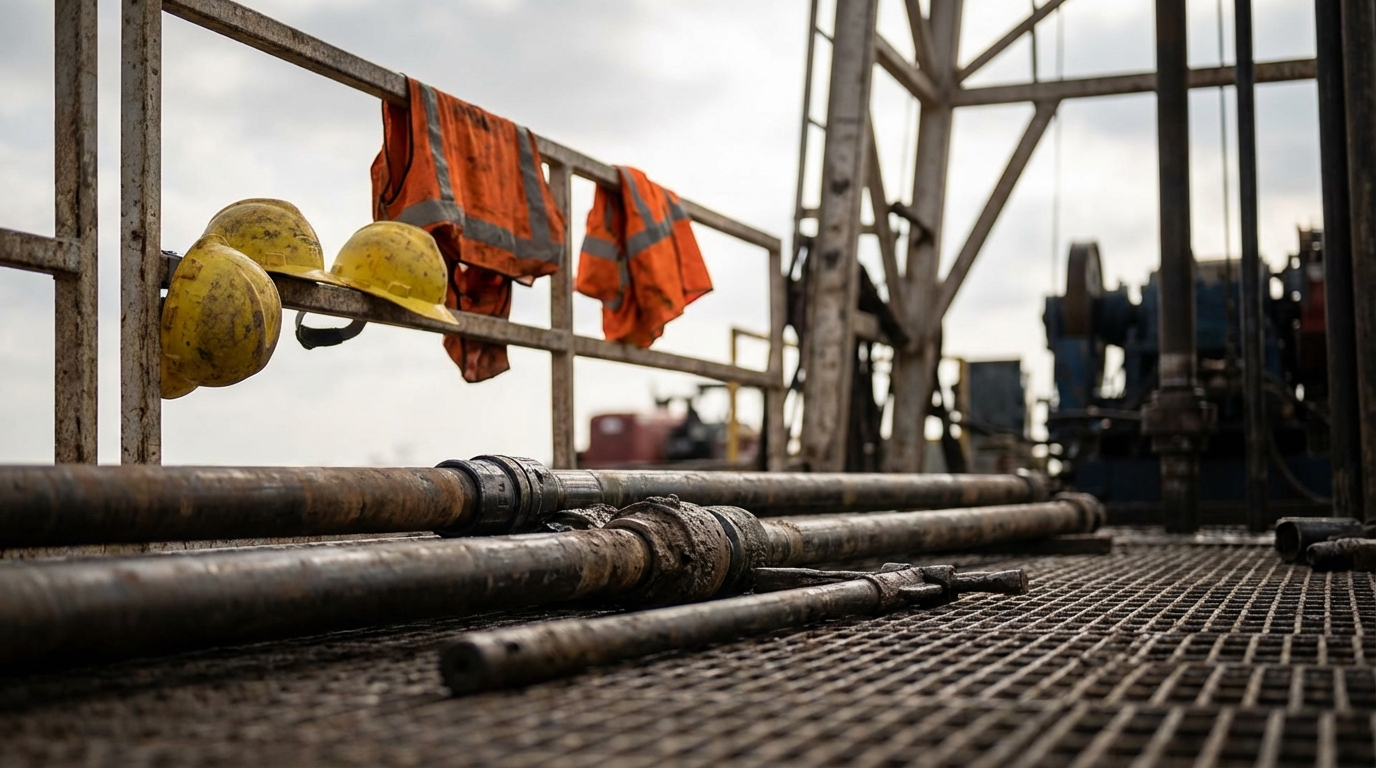
Upper extremity injuries are the single most common category of severe oilfield injury, making up 43% of all severe injuries reported in the oil and gas extraction industry. Hands, fingers, and arms are constantly exposed to rotating machinery, tongs, pipe handling equipment, and high-pressure systems. When safety guards are missing or lockout/tagout procedures are ignored, traumatic amputation often results.
Well service contract workers bear a disproportionate share of these catastrophic injuries. Data shows that well service contract workers accounted for 417 amputations and 1,194 hospitalizations, representing 20% and 57% of all severe injuries respectively.
Injury Type | Well Service Contract Workers | Percentage of All Severe Injuries |
|---|---|---|
Amputations | 417 | 20% |
Hospitalizations | 1,194 | 57% |
Upper Extremity Injuries (all workers) | 895 | 43% |
💡 Pro Tip: If you are a contract worker injured on someone else’s well site, you may have claims against the site operator, equipment owner, or other third parties beyond workers’ compensation benefits. Third-party claims can provide compensation for pain and suffering, future lost earnings, and full medical costs.
Oil Field Burn Injuries and Explosion Hazards
Flash fires and explosions from crude oil vapors represent some of the most catastrophic accident scenarios in the industry. OSHA has documented fatal flash fires caused by crude oil vapors as a recognized hazard. Severe burns can require years of surgeries, skin grafts, and rehabilitation, with victims facing permanent disfigurement and chronic pain.
Oil field burn injuries often stem from preventable failures. Inadequate ventilation, missing gas detection systems, hot work performed near volatile substances, and failure to follow permit-to-work procedures all contribute to these incidents. When employers cut corners on fire prevention, injured workers deserve aggressive legal representation.
Chemical Exposure and Hydrogen Sulfide
Hydrogen sulfide (H2S) is one of the most acutely dangerous chemicals found on oil field sites. OSHA has specifically identified H2S releases as a deadly hazard through its Fatal Facts case studies. Brief exposure at high concentrations can cause loss of consciousness and death within minutes, while chronic low-level exposure may lead to lasting neurological damage and respiratory illness.
💡 Pro Tip: If you were exposed to H2S or other toxic chemicals at a well site, seek immediate medical evaluation even if symptoms seem mild. Early medical records create a direct link between exposure and your injuries that can strengthen your claim.
Vehicle and Highway Incidents in Oilfield Work
OSHA identifies vehicle and highway incidents as a leading cause of oil and gas fatalities. San Antonio oilfield workers frequently travel between remote well sites on rural highways, often during long shifts and in heavy commercial vehicles. The NIOSH Fatalities in Oil and Gas Extraction database tracks these deaths among at-risk workers, including crude oil and natural gas haulers and specialized freight trucking crews performing oil and gas work.
These crashes are rarely minor. Massive vehicles, combined with fatigue from extended shifts and hazardous road conditions, frequently produce traumatic brain injuries, spinal fractures, and fatal outcomes. When trucking companies or site operators pressure workers into unsafe driving schedules or fail to maintain vehicles, liability may extend beyond the driver.
Falls From Derricks and Elevated Structures
Falls from derricks are a documented fatal hazard in oil and gas extraction and remain a persistent danger on San Antonio-area rigs. Workers climbing derricks, working on elevated platforms, and servicing equipment at height face constant risk of falls causing spinal cord injuries, multiple fractures, and death. Defective fall protection equipment, missing guardrails, and inadequate training all contribute to these incidents.
Texas employers and site operators owe a duty of care to workers on-site. When they fail to provide proper fall protection systems and enforce their use, injured workers may pursue claims against every responsible party. OSHA recommends including contractors in worksite safety plans that administer the hierarchy of controls and provide consistent safety training. When operators ignore these recommendations, it can serve as evidence of negligence.
Who Is Most at Risk for an Oil Field Accident?
Contract workers face significantly higher injury risk than many realize. Federal data confirms that contract workers in service and drilling subindustries experienced disproportionately more work-related injuries compared with operations workers. At-risk occupations extend beyond traditional extraction workers to include site preparation crews, geophysical surveyors, and freight haulers doing oil and gas work.
Understanding the truth about oilfield statistics and settlements can help injured workers and their families make informed decisions about their legal options.
💡 Pro Tip: Do not assume that being a contract worker limits your legal options. Contract workers often have more avenues for compensation than direct employees because they can pursue third-party claims against site operators, equipment companies, and other contractors.
Protecting Your Rights After a San Antonio Oil Field Accident
The steps you take immediately after an oilfield injury can significantly impact your ability to recover compensation. Texas imposes a two-year statute of limitations on most personal injury claims under Texas Civil Practice and Remedies Code § 16.003. Limited exceptions may affect the start date, but courts apply these narrowly. Acting quickly to preserve evidence, obtain medical documentation, and identify all potentially liable parties is critical.
An oilfield accident attorney in Texas can use OSHA’s severe injury data, the NIOSH FOG database, and Fatal Facts case studies, along with worksite records and witness testimony, to build a strong case on your behalf.
Seek immediate medical treatment and follow all recommended care
Report the incident to your employer and request a copy of the incident report
Photograph the scene, equipment, and your injuries
Identify witnesses and collect contact information
Avoid giving recorded statements to insurance adjusters before consulting an attorney
💡 Pro Tip: Oilfield companies often send investigators to the scene within hours of a serious incident to protect the company. Having your own legal advocate involved early ensures evidence is preserved and your version of events is documented.
Frequently Asked Questions
1. What types of injuries qualify as “severe” in the oil and gas industry?
OSHA’s severe injury reports cover work-related injuries resulting in amputation, loss of an eye, or inpatient hospitalization. These are catastrophic, life-changing events requiring extensive medical treatment and long-term rehabilitation. If your injury falls into one of these categories, you may have a significant legal claim.
2. Can contract workers file injury claims against the oil field operator?
In many cases, yes. Texas law allows injured contract workers to pursue third-party negligence claims against site operators, equipment owners, and other contractors whose negligence caused the injury. Under Texas Labor Code § 417.001, these claims exist separately from workers’ compensation benefits, allowing injured workers to seek both simultaneously.
3. How long do I have to file an oilfield injury claim in San Antonio?
Texas imposes a two-year statute of limitations for most personal injury claims under Texas Civil Practice and Remedies Code § 16.003, generally measured from the date of injury. Limited exceptions, such as the discovery rule for inherently undiscoverable injuries like delayed-onset illnesses from chemical exposure, may affect when the limitations period begins. Consult an attorney as soon as possible.
4. What should I do if my employer pressures me not to report an injury?
Report the injury anyway. Texas Labor Code § 451.001 prohibits employers from retaliating against workers who file workers’ compensation claims or report workplace injuries in good faith. Failure to document an incident can severely damage your ability to pursue a claim later.
5. What compensation can I recover after an oilfield injury in Texas?
Depending on circumstances, injured oilfield workers may recover compensation for medical expenses, lost wages, reduced future earning capacity, pain and suffering, and other damages. In wrongful death cases, surviving family members may pursue claims for loss of companionship, funeral expenses, and lost financial support. Texas follows a modified comparative negligence rule, meaning your recovery may be reduced by your percentage of fault, and you cannot recover if you are 51% or more responsible.
San Antonio Oilfield Workers Deserve Strong Legal Advocacy
Oil field work remains one of the most dangerous occupations in Texas, and the injuries workers suffer are often severe, permanent, and financially devastating. Whether you were hurt in a struck-by incident, an explosion, a fall from a derrick, or a vehicle crash, you have the right to pursue full compensation from every party responsible for your injuries.
Wyatt Law Firm stands with injured oilfield workers and grieving families across San Antonio. Call 210-972-9279 or reach out online to schedule a confidential consultation.