
Why the Oil Rig Worker Death Rate in Midland-Odessa Demands Attention
The Permian Basin is one of America’s most productive and dangerous oil-producing regions. From 2008 through 2017, 1,566 workers died from injuries in the U.S. oil and gas extraction industry, comparable to U.S. troop deaths in Afghanistan during the same period. Oil and gas extraction carries a fatality rate several times that of all U.S. industries combined. For workers and families in Midland-Odessa, understanding these causes is a matter of survival, accountability, and justice.
If you or someone you love has been catastrophically injured or killed in a Permian Basin oilfield incident, Wyatt Law Firm is ready to fight for you. Call Paula Wyatt at 210-340-5550 or contact us today for a consultation.
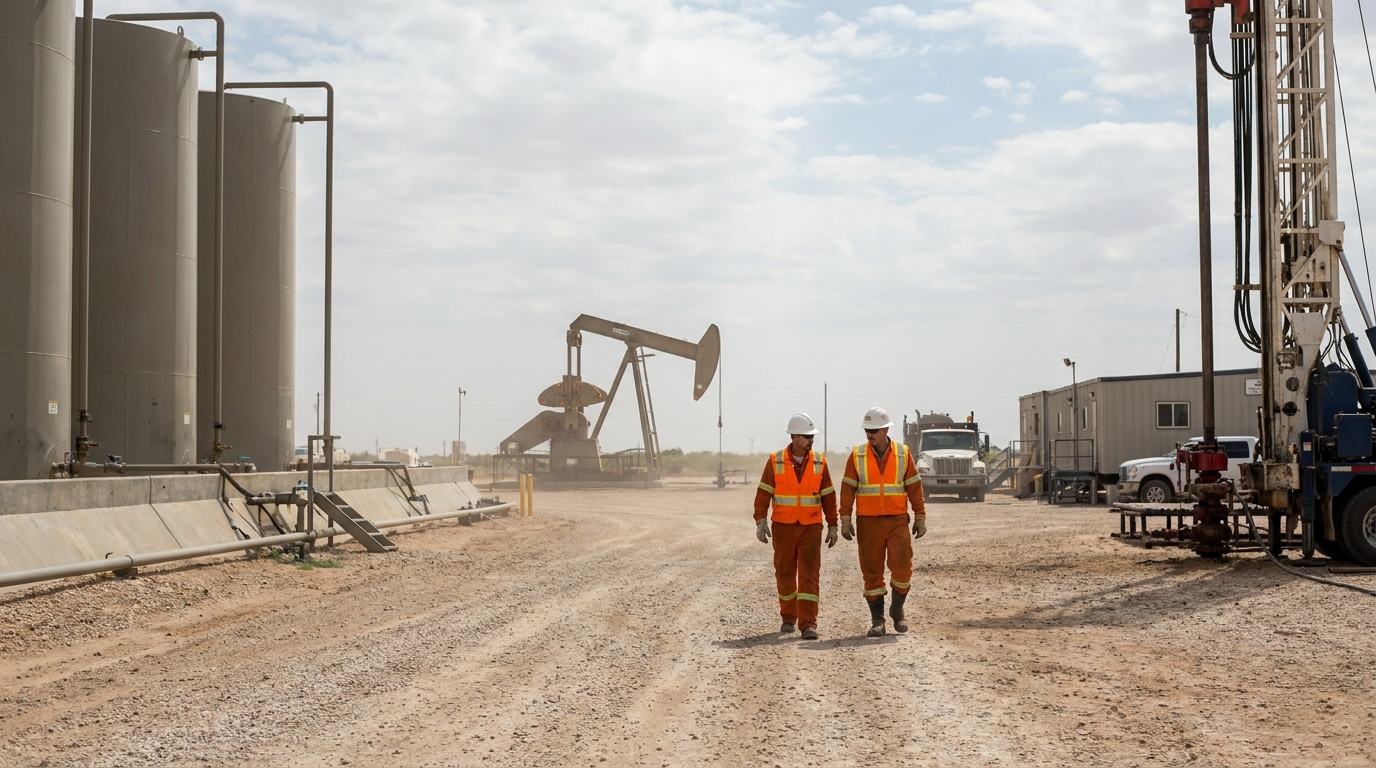
Hydrogen Sulfide Exposure: A Silent Killer in Permian Basin Oilfields
Hydrogen sulfide (H2S) gas is one of the deadliest hazards facing oilfield workers in the Midland-Odessa region. Odessa sits in the Permian Basin, where "sour" oil reserves contain high H2S concentrations. At elevated levels, H2S causes instant death. A single breath of high-concentration gas can shut down the respiratory system before a worker recognizes danger.
The tragic consequences of H2S exposure have been documented repeatedly across Texas. In October 2019, Aghorn Operating employee Jacob Dean and his wife Natalee Dean were both killed by hydrogen sulfide at an Aghorn facility in Odessa. Gregory Claxton, an Iraq War veteran and father, died after opening a tank hatch in Montague County and being exposed to H2S. Workers are generally prohibited from entering frac tanks because they can be exposed to hydrogen sulfide levels exceeding OSHA limits, causing serious injury or death.
These fatalities result from failures to monitor gas levels, provide proper respiratory equipment, and train workers on H2S dangers. Aghorn admitted to willfully violating OSHA regulations requiring respiratory protection programs. When operators cut corners on safety, workers pay with their lives.
💡 Pro Tip: If you work near wellheads, tank batteries, or frac tanks, ask your employer about written H2S safety plans and personal gas monitors. The absence of these protections may indicate OSHA violations and could be critical evidence in a wrongful death claim.
Struck-By Incidents and Equipment Failures
Being struck by equipment, machinery, or flying debris is another leading cause of oilfield fatality causes in Texas. The sheer force in drilling operations means that when a valve fails or equipment breaks loose, consequences are catastrophic. Pedro Julian Garcia, a father of two, died after being struck by a pump valve at an oilfield waste facility on February 6, 2024.
These incidents frequently trace back to inadequate maintenance, defective equipment, or absent safety protocols. OSHA inspectors found Garcia’s employer had not adequately trained him and uncovered 12 workplace safety violations, resulting in over $32,000 in fines. The facility’s operations manager had no oilfield experience, employees received only on-the-job training, and there was no safety coordinator. A Texas oilfield injury attorney can help families determine whether negligent maintenance or inadequate training contributed to a death.
💡 Pro Tip: Families pursuing wrongful death claims after struck-by incidents should request equipment maintenance logs, training records, and OSHA citations. These documents can establish negligence patterns that strengthen liability cases.
Criminal Accountability and What It Means for Victims’ Families
When oilfield safety failures rise to criminal conduct, it underscores the severity of negligence. Following the deaths of Jacob and Natalee Dean, federal prosecutors secured guilty pleas. Aghorn Operating paid a $1 million criminal fine, its support company Kodiak paid $400,000, and Aghorn Vice President Trent Day was sentenced for oilfield safety crimes including five months in prison after pleading guilty to Clean Air Act negligent endangerment.
Kodiak also admitted to falsifying well integrity test records submitted to the Texas Railroad Commission. This fraud compounds daily worker danger. When companies fabricate safety documentation, operators cannot accurately assess risk, and workers unknowingly walk into death traps.
Criminal prosecution, however, does not replace a family’s right to pursue civil damages. Criminal fines go to the government, not families. A separate wrongful death lawsuit may allow surviving family members to recover compensation for lost income, funeral expenses, loss of companionship, and other damages.
The Oil Rig Worker Death Rate and Regulatory Gaps
A major factor driving the staggering oil rig worker death rate is the regulatory framework itself. Oil and gas well drilling and servicing operations are exempt from OSHA’s process safety management (PSM) standard, a key safety rule applying to most high-hazard industries. This exemption has existed since 1992, and although OSHA intended to address these operations through a separate standard, that standard was never finalized, leaving a significant federal oversight gap.
The numbers reflect this gap. OSHA cited oil and gas extraction companies for over 10,800 safety violations from 2008 to 2018, with 64% classified as "serious", meaning inspectors found hazards likely to result in death or serious physical harm. The Permian Basin accounts for over half of active U.S. rigs, concentrating enormous numbers of workers where enforcement resources are stretched thin.
| Leading Cause of Oilfield Deaths | Key Hazard Factors | Common Employer Failures |
|---|---|---|
| Hydrogen sulfide exposure | Sour oil reserves, confined spaces, tank hatches | No H2S monitoring, no respiratory protection program |
| Struck-by incidents | High-pressure equipment, pump valves, drilling components | Inadequate training, no safety coordinator, deferred maintenance |
| Vehicle crashes | Long commutes, fatigued driving, heavy equipment transport | Lack of fatigue management policies |
| Explosions and fires | Volatile hydrocarbons, pressurized systems | Failure to follow process safety protocols |
| Falls | Elevated platforms, derrick work, rig floors | Missing fall protection, no guardrails |
💡 Pro Tip: The PSM exemption for drilling operations does not eliminate an employer’s duty of care under Texas common law. Even where specific OSHA standards don’t apply, failure to follow recognized industry safety practices can serve as powerful evidence of negligence.
How Inadequate Training Leads to Permian Basin Worker Fatalities
Many oilfield deaths in Midland-Odessa stem directly from failure to train workers. When companies send workers into environments containing lethal gases, high-pressure equipment, and heavy machinery with only on-the-job instruction, they set the stage for catastrophe. In Garcia’s case, the operations manager had no oilfield experience and workers received no formal safety training.
Federal law imposes baseline safety obligations on all employers. Under OSHA’s General Duty Clause (29 U.S.C. § 654), employers must furnish a workplace free from recognized hazards likely to cause death or serious physical harm. Additionally, specific OSHA standards require training for particular hazards like hazard communication and respiratory protection. When companies willfully ignore these obligations, injured workers and families may have grounds for both OSHA complaints and civil negligence claims. Families dealing with a fatal oilfield vehicle crash should investigate all involved companies’ training records.
💡 Pro Tip: In many Permian Basin wrongful death cases, multiple companies share liability. The drilling operator, contractor, staffing agency, and equipment supplier may all bear responsibility. Identifying every potentially liable party early can significantly increase available compensation.
Understanding Third-Party Claims After an Oilfield Death in Texas
Texas workers’ compensation, where it applies, generally limits what families can recover from their direct employer. However, Texas doesn’t require employers to carry workers’ compensation insurance, and many oilfield employers are non-subscribers. Multiple contractors and subcontractors involved in oilfield operations may open the door to third-party negligence claims. These claims aren’t subject to the same limitations and can allow recovery for pain and suffering, loss of consortium, and full economic damages.
Whether a third-party claim exists depends on specific case facts. Courts examine who controlled the worksite, provided equipment, was responsible for safety training, and whether any party engaged in willful or grossly negligent conduct. Given the complexity of Permian Basin operations, where dozens of companies may work on a single well site, identifying responsible parties requires thorough investigation.
💡 Pro Tip: The statute of limitations for wrongful death claims in Texas is generally two years from the date of death under Texas Civil Practice and Remedies Code § 16.003. Do not delay seeking legal counsel.
Frequently Asked Questions
1. What is the oil rig worker death rate in the Permian Basin compared to other industries?
How dangerous is oilfield work in Midland-Odessa?
Oil and gas extraction carries a fatality rate several times that of all U.S. industries combined. The Permian Basin accounts for over half of active U.S. rigs, concentrating workers in high-hazard conditions. From 2008 through 2017, over 1,500 workers died from injuries in oil and gas extraction nationwide.
2. Can a family sue for wrongful death if a worker died from hydrogen sulfide exposure?
What legal options exist after an H2S fatality?
Often, yes. If the employer or another worksite company failed to implement required safety measures like respiratory protection programs or gas monitoring systems, the family may have grounds for wrongful death. Criminal prosecution doesn’t prevent a separate civil claim.
3. What should I do if OSHA has already investigated my loved one’s death?
Does an OSHA investigation affect a civil lawsuit?
An OSHA investigation and civil lawsuit are separate proceedings. However, OSHA citations and findings serve as valuable evidence in wrongful death cases. Families should preserve all OSHA correspondence and request copies of investigation reports and citations.
4. Who can be held liable when multiple companies work on a single well site?
How does shared liability work in oilfield cases?
Texas law allows injured workers and families to pursue claims against any third party whose negligence contributed to the incident. This may include the drilling operator, equipment manufacturers, staffing companies, and support services firms. Each party’s fault is determined based on their respective worksite roles.
5. How long do I have to file an oilfield wrongful death claim in Texas?
What is the deadline for taking legal action?
Under Texas Civil Practice and Remedies Code § 16.003, the wrongful death statute of limitations is generally two years from the date of death. Limited exceptions may apply, but courts interpret these narrowly. Consulting an attorney immediately protects your right to pursue full compensation.
Holding Negligent Operators Accountable in Midland-Odessa
The oil rig worker death rate in the Permian Basin reflects systemic failure by operators and contractors to prioritize human life over production. From hydrogen sulfide exposure and struck-by hazards to falsified safety records and untrained workers, oilfield deaths in Midland-Odessa are preventable. Families who have lost loved ones or workers who have suffered catastrophic injuries deserve answers, accountability, and full compensation. The law provides pathways to hold every negligent party responsible, but time is limited and evidence must be preserved.
Paula Wyatt and the Wyatt Law Firm fight relentlessly for oilfield workers and families devastated by corporate negligence. If you are facing the aftermath of a catastrophic oilfield injury or wrongful death, call 210-340-5550 or reach out to our team now to discuss your case.