
Understanding Liability After a Permian Basin Oilfield Injury
Key Takeaways: When a contractor causes a catastrophic Permian Basin oilfield injury, liability rarely falls on just one party. Under Texas Labor Code § 417.001, workers can pursue no-fault workers’ compensation benefits and a separate third-party lawsuit against a negligent contractor, recovering pain and suffering and full damages that comp excludes. Multiple parties may be accountable, including third-party contractors, equipment providers, and property owners, though Chapter 95 generally shields owners unless they retained control and had actual knowledge of the danger. Proving negligence requires establishing duty, breach, causation, and damages.
When a contractor causes a catastrophic injury on a Permian Basin oilfield, liability rarely rests with a single party. A blowout, refinery explosion, derrick fall, or crushing equipment failure can involve negligence by a contractor, property owner, equipment provider, or all of them. For a worker who has suffered a traumatic brain injury, severe burns, amputation, or permanent disability, identifying every responsible party is the foundation of full recovery.
At Wyatt Law Firm, attorney Paula Wyatt fights relentlessly for the injured and the grieving across Midland-Odessa and the wider Permian Basin. If a negligent contractor changed your life or took someone you love, you deserve answers and a powerful advocate in your corner. Call us at 210-340-5550, reach out through our confidential case review form, or learn more about how Wyatt Law Firm holds corporate defendants accountable.
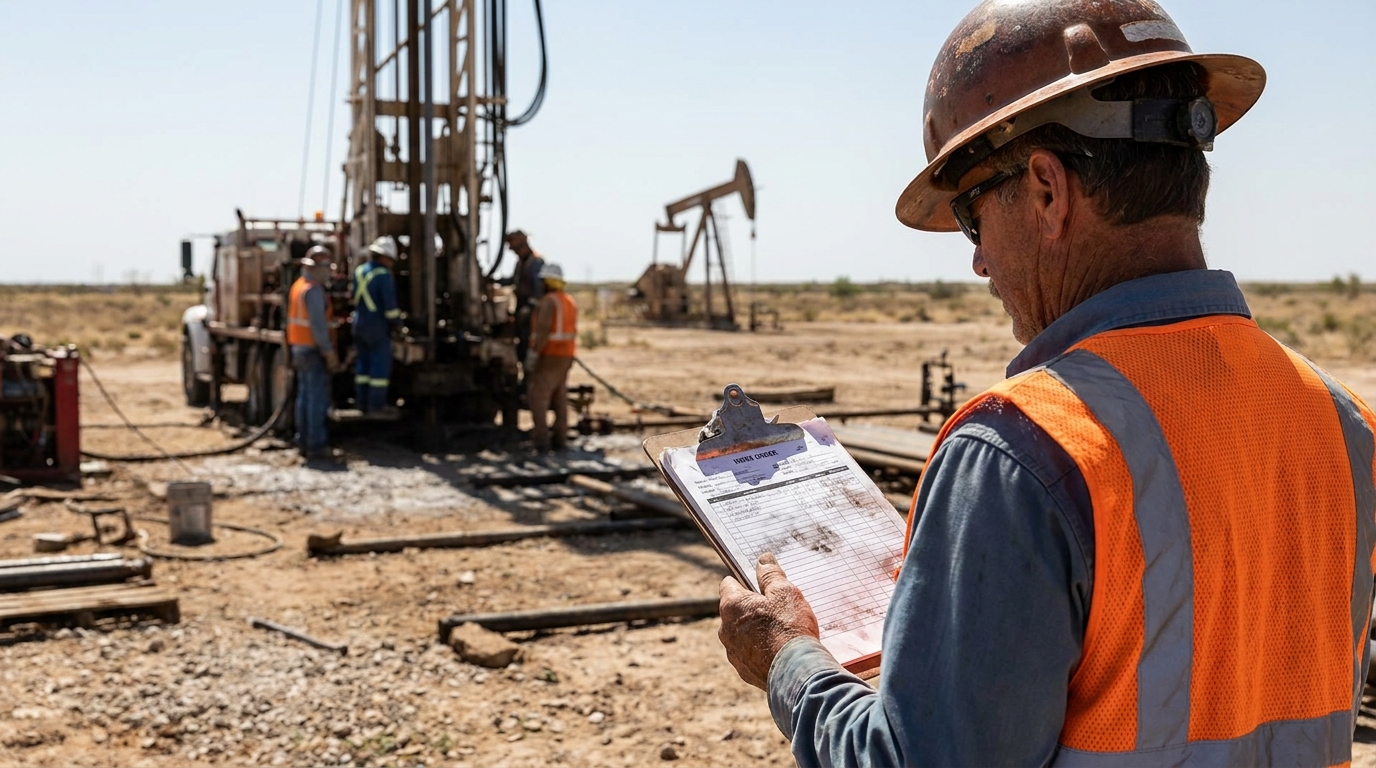
How Texas Law Lets You Pursue Two Avenues of Recovery
Injured oilfield workers can pursue two separate claims simultaneously. You are not confined to workers’ compensation benefits alone. If a contractor or third party caused your Permian Basin oilfield injury, you may pursue workers’ comp benefits and a separate civil lawsuit against that negligent contractor. Under Texas Labor Code § 417.001(a), an employee "may seek damages from a third party who is or becomes liable to pay damages for an injury" and "may also pursue a claim for workers’ compensation benefits."
This dual path matters because workers’ compensation does not cover the full scope of catastrophic loss. Comp benefits typically exclude pain and suffering, full lost earning capacity, or lifelong consequences of permanent disability. A third-party negligence claim pursues those damages directly from the at-fault contractor. To understand how these claims work together, see our guide on whether you can sue for third-party oilfield injuries in the region.
💡 Pro Tip: Preserve everything after an incident. Photos, witness names, equipment serial numbers, and contractor company names become critical evidence when proving who controlled the hazard.
Texas workers’ compensation is a no-fault system providing baseline protection. Under Texas Labor Code § 406.031(a), an insurance carrier is liable for compensation "without regard to fault or negligence" when the employee is covered and the injury "arises out of and in the course and scope of employment." A covered worker on a drilling or refinery site near Midland-Odessa may receive benefits even when fault is disputed, while a separate third-party case targets the contractor whose negligence caused the harm.
Who Can Be Held Liable for an Oil Field Accident
Determining liability requires examining every party that exercised control over the worksite or hazard. Multiple companies often share a single well pad or refinery, and the law allows accountability to follow control. Common potentially responsible parties include:
- Negligent third-party contractors and subcontractors operating on the site
- Property owners and oil and gas operators, subject to statutory limits
- Equipment providers and maintenance companies that created or ignored a danger
- Other companies whose crews introduced an unsafe condition
In states applying joint and several liability, an injured party may collect full compensation from a single responsible party. As Justia explains, this rule "allows you to collect your full compensation from any single responsible party, who must then seek reimbursement from the other at-fault parties." Texas has modified this doctrine, so damage allocation depends on specific facts and each party’s share of responsibility.
The Property Owner’s Limited Liability Under Chapter 95
Texas law generally shields property owners from liability for injuries to contractors working on improvements to their real property. Under Section 95.003, an owner is "not liable for personal injury, death, or property damage to a contractor, subcontractor, or an employee of a contractor or subcontractor who constructs, repairs, renovates, or modifies an improvement to real property." This is relevant in the Permian Basin, where operators routinely hire independent contractors for well site and facility work.
That protection is not absolute. Two narrow exceptions can open the door to owner liability under Section 95.003: the owner must have exercised or retained "some control over the manner in which the work is performed, other than the right to order the work to start or stop or to inspect progress or receive reports," and the owner must have had "actual knowledge of the danger" and "failed to adequately warn." Courts interpret these exceptions narrowly, and meeting both is fact-intensive.
When Operators Avoid Reimbursement to Contractors
An oilfield operating company is generally shielded from paying reimbursement to a third-party contractor absent a prior written agreement. Under Texas Labor Code § 417.004, an employer "is not liable to the third party for reimbursement or damages" from a judgment or settlement "unless the employer executed, before the injury or death occurred, a written agreement with the third party to assume the liability."
Proving Negligence and Oil Refinery Injuries on the Worksite
Holding a contractor accountable for oil refinery injuries requires proving four elements of negligence. A premises liability or negligence claim turns on duty, breach, causation, and damages. Justia lists these elements, with damages including "medical bills, lost income, or pain and suffering." Premises liability itself rests on negligence, meaning a party "can be held responsible if they failed to meet a legal duty to keep the property reasonably safe, and that failure directly caused your injury."
In catastrophic oilfield cases, damages are rarely the challenge; the fight is over control and causation. Defense teams routinely argue that another company controlled the hazard or that the worker assumed the risk. Building a record of who directed the work, who knew about the danger, and how the breach caused the injury is critical.
💡 Pro Tip: Report the injury promptly and in writing. Delays can give contractors and insurers an opening to dispute when and how the incident happened.
Occupational disease cases follow their own rule for identifying the responsible employer. For workers exposed to silica dust, toxic chemicals, or other hazards in Permian Basin operations, Texas Labor Code § 406.031(b) provides that "the employer in whose employ the employee was last injuriously exposed to the hazards of the disease is considered to be the employer."
Statutory Protections, Notice Rules, and Emergency Immunity
Several statutes protect injured workers from contractual traps and unreasonable deadlines. Oilfield service contracts often require pre-suit notice. Under Texas Civil Practice and Remedies Code § 16.071(a), a notice stipulation "is not valid unless the stipulation is reasonable," and "a stipulation that requires notification within less than 90 days is void." For federal prime contractor and subcontractor relationships, § 16.071(d) permits a subcontract notice period "not less than the period stipulated in the prime contract, minus seven days."
A workers’ compensation carrier that pays benefits holds a subrogation right against a later third-party recovery. Under Texas Labor Code § 417.001(b), the carrier "is subrogated to the rights of the injured employee," but if the recovery exceeds the carrier’s interest, the carrier "shall pay the remainder of the amount recovered to the injured employee."
A newer law addresses contractor immunity during declared oil or gas emergencies, with a critical carve-out. Under Texas Natural Resources Code § 91.953, effective September 1, 2025, a person who provides assistance is immune from civil liability "except in the case of gross negligence, recklessness, or intentional misconduct," but only when the Railroad Commission has declared the emergency and the assistance is provided at the request of an authorized agency representative.
💡 Pro Tip: Mark your calendar early. Civil statutes of limitations and administrative comp deadlines run on separate clocks, and missing one can jeopardize your right to recover.
| Recovery Path | What It May Cover | Key Statute |
|---|---|---|
| Workers’ compensation | No-fault wage and medical benefits | Tex. Lab. Code § 406.031 |
| Third-party lawsuit | Pain and suffering, full damages | Tex. Lab. Code § 417.001 |
| Premises/Chapter 95 claim | Owner liability if exceptions met | Tex. Civ. Prac. & Rem. Code § 95.003 |
These overlapping rules show why experienced legal guidance is valuable for serious injury victims. If you are researching options after a life-altering incident, our overview of oil field injuries in Midland-Odessa explains how these claims are built.
Frequently Asked Questions
Can I sue a contractor if I already receive workers’ comp?
Yes, in many cases. Texas Labor Code § 417.001(a) allows injured workers to pursue comp benefits and a separate third-party damages claim against a negligent contractor simultaneously, subject to the carrier’s subrogation interest.
Is the property owner automatically liable for my injury?
Generally not. Under Section 95.003, owners are usually shielded unless they retained control over the work and had actual knowledge of the danger and failed to warn. Both conditions must be met.
What does workers’ compensation cover after a catastrophic injury?
It provides no-fault wage and medical benefits under Texas Labor Code § 406.031(a). However, it excludes pain and suffering or the full long-term cost of permanent disability, which a third-party claim may pursue.
Are short notice deadlines in my contract enforceable?
Not if they are unreasonable. Under Texas Civil Practice and Remedies Code § 16.071(a), any contractual notice period of less than 90 days is void.
Does emergency immunity block my claim?
Not in cases of serious misconduct. Texas Natural Resources Code § 91.953 preserves claims involving gross negligence, recklessness, or intentional misconduct, and the immunity applies only to qualifying, Railroad Commission-declared emergencies.
Standing With Permian Basin Families When It Matters Most
A catastrophic oilfield injury upends every part of a family’s life, and the question of who is liable deserves a thorough, aggressive answer. Texas law often gives injured workers more than one path to recovery, from no-fault comp benefits to third-party negligence claims and protections against unfair contract terms. Because control, causation, and statutory exceptions are fact-dependent, identifying every responsible contractor and owner is essential to pursuing full compensation.
Paula Wyatt and Wyatt Law Firm stand firmly on the side of the injured and the grieving, with the tenacity to take on powerful corporate defendants and their insurers. If a contractor’s negligence caused devastating harm in the Permian Basin, do not face the fight alone. Call 210-340-5550 today, request a confidential review through our contact page, or visit Wyatt Law Firm to put a relentless advocate in your corner.