
Carbon Monoxide, the Law, and the Words That Decide Your Case
When a landlord lets a deadly gas fill your home, does the law take your side? In Texas, it can. The phrase "materially affects health or safety" is the legal standard that decides whether a landlord owed you a duty to fix a carbon monoxide hazard before it harmed you or someone you love. For families in San Antonio and across Bexar County, understanding this phrase can be the difference between a claim that stands and one that falls apart.
Here is the plain-English answer. In Texas, "materially affects health or safety" is the legal standard in Texas Property Code § 92.052 that triggers a landlord’s duty to repair a dangerous condition. A carbon monoxide hazard, whether a leaking furnace, blocked flue, or missing detector, generally meets this standard because CO can injure or kill an ordinary tenant. When a landlord ignores it, they may be held liable for resulting injuries or death. If you or your family suffered carbon monoxide poisoning, our San Antonio texas property code 92.052 lawyer team is ready to fight for you.
You do not have to carry this fight alone. For more than 40 years, Wyatt Law Firm has stood with the injured and the grieving. Call us at 210-340-5550 or reach out through our confidential consultation request for a free case review. No recovery, no fee.
The Legal Standard: Texas Property Code 92.052 in Plain English
Under Texas Property Code § 92.052, a landlord must make a diligent effort to repair a condition when three things line up: the tenant gave proper notice, the tenant is not delinquent on rent, and the condition materially affects the physical health or safety of an ordinary tenant. You can read the exact language of the Texas Property Code § 92.052 for yourself. That last phrase turns a landlord’s silence into a breach of duty.
The phrase sets the bar. Not every annoyance rises to a "material condition." A chipped countertop generally does not. A gas leak that can suffocate a sleeping family almost certainly does. Texas courts measure the danger against an "ordinary tenant", a reasonable person.
Why Carbon Monoxide Is a Textbook Material Condition
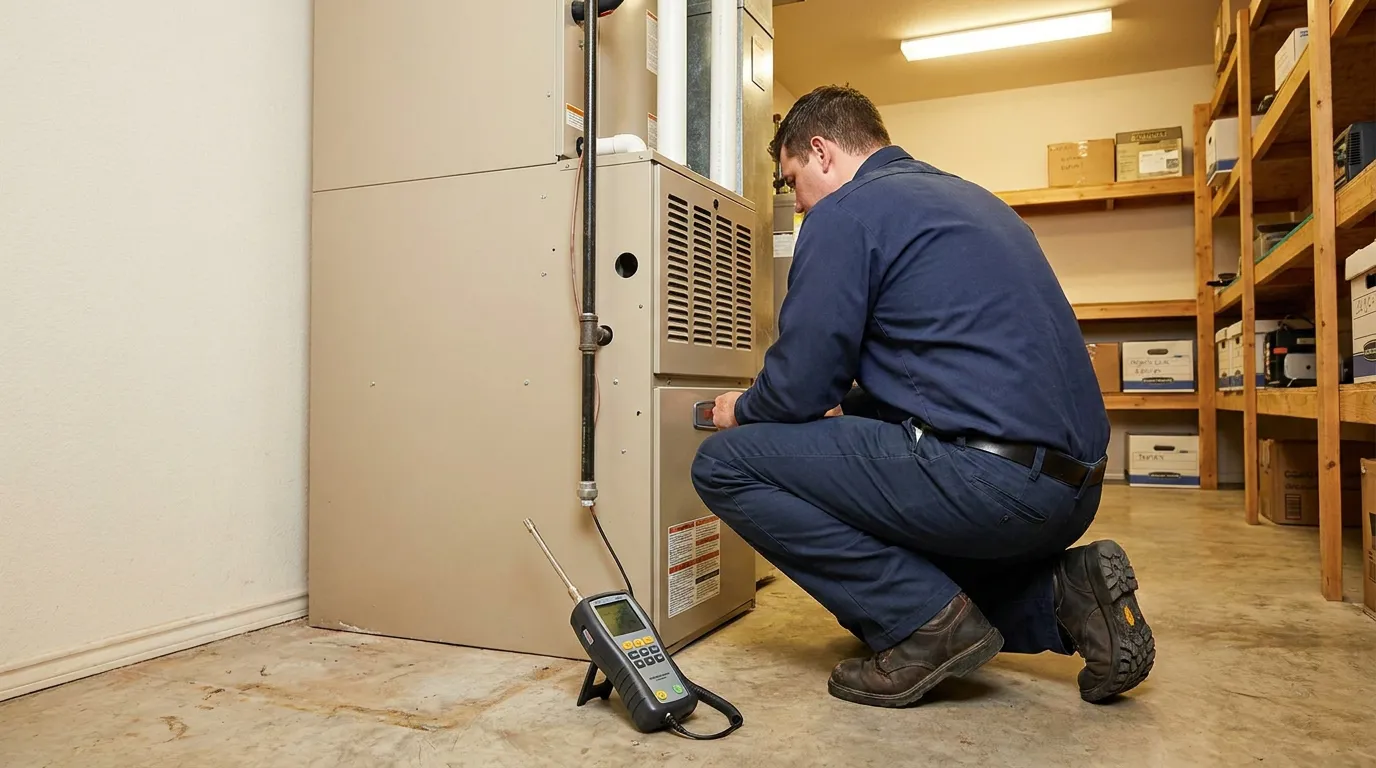
Carbon monoxide is the very kind of hazard the statute was built to reach. It is colorless, odorless, and silent. Victims often mistake early symptoms for the flu, and by the time they understand what is happening, the damage may be catastrophic. When we talk about materially affects health or safety CO exposure, we are describing a condition that can cause permanent brain injury, organ damage, or death. A furnace venting exhaust into a bedroom is a life-threatening statutory condition that a landlord generally has a duty to repair once properly notified.
When the Landlord’s Repair Duty Is Triggered in a CO Case
The landlord repair duty does not arise automatically. The duty generally activates only after the tenant satisfies specific notice requirements and the danger qualifies under the statute.
The Notice Requirements
Notice is the key that unlocks the landlord’s duty. Under Texas rental law, a tenant generally must give the landlord notice of the condition, must not be behind on rent, and should deliver that notice in a provable way. Written notice sent by certified or trackable mail is far stronger than verbal complaints that vanish in disputes.
The repair-and-deduct pathway shows how strict these rules are. Under Texas Property Code § 92.0561(d)(1)-(2), a tenant may use that remedy only if the landlord has a duty under Section 92.052 that was not waived in the lease, and only after the tenant gives the notices required under § 92.056(b). These mechanics document exactly when the landlord knew and what they failed to do.
Two Qualifying-Event Pathways That Apply to CO
Two statutory pathways commonly apply to carbon monoxide dangers. Both come from Texas Property Code § 92.0561(d)(3).
- The heating-equipment pathway. Under § 92.0561(d)(3)(C), where the landlord agreed to furnish heating equipment, that equipment produces inadequate heat, and an official notifies the landlord in writing that the lack materially affects health or safety, a qualifying event occurs. Because malfunctioning gas-fired heaters are a leading source of CO, this pathway is often implicated.
- The official-finding pathway. Under § 92.0561(d)(3)(D), a qualifying event occurs when a local housing, building, or health official notifies the landlord in writing that the condition materially affects the health or safety of an ordinary tenant.
There is also a court-ordered repair option. In Texas, a justice of the peace may order a landlord to repair a condition affecting a tenant’s physical health or safety where the repair cost does not exceed $20,000 (for causes of action accruing on or after September 1, 2023, under Texas Property Code Section 92.0563(e)).
From Repair Statute to Injury Claim: Duty, Breach, Causation, Damages
The repair statute sets the duty, but your injury claim is where accountability lives. A personal injury or wrongful death case generally rests on four pillars: duty, breach, causation, and damages. The statutory repair standard can help frame the first two, but a Property Code repair violation does not by itself create tort liability. In Texas, a landlord who is on notice of a dangerous condition like a CO hazard and fails to use ordinary care may breach a duty owed to the tenant. The fight then turns to proving the exposure caused your harm and the value of what you lost. Paula Wyatt, a former prosecutor and nationally recognized trial lawyer for victims of catastrophic injury and wrongful death, built this firm to carry that fight.
Premises Liability vs. Negligent Act
Most CO cases in Texas fall under premises liability, not ordinary negligence. Texas law draws a line between the two theories. A negligent-act claim arises from an ongoing activity, while a premises-liability claim arises from a condition on the land. You can review this premises liability vs. negligent act distinction through Texas legal guidance.
Texas courts insist that plaintiffs pick the correct theory. In Keetch v. Kroger Co., 845 S.W.2d 262 (Tex. 1992), the Texas Supreme Court established that an injury from a condition created after an act was completed sounded in premises liability, not negligence. By contrast, Wal-Mart Stores, Inc. v. Garza, 27 S.W.3d 64 (Tex. App. – San Antonio 2000), illustrates when negligent activity liability applies rather than premises liability, as the plaintiff there was injured by an ongoing act of employees moving a box. Because CO buildup is a resulting condition rather than an ongoing activity, these cases typically place CO claims on the premises-liability side.
Damages in Catastrophic CO Cases
When CO steals your health, the losses run deep, and the law recognizes them. In serious and fatal CO cases, compensable damages may include past and future medical costs, lost wages and lost earning capacity, pain and suffering, and, in wrongful death cases, the profound losses a family endures. Wyatt Law Firm has recovered more than $1 billion for clients over the years, a record built on refusing to let negligence go unanswered.
💡 Pro Tip: Ask every treating physician to document carboxyhemoglobin blood levels as early as possible. Because CO leaves the bloodstream over time, early medical readings can become powerful causation evidence later.
The Clock Is Running: Texas Statute of Limitations for CO Injuries
In Texas CO cases, time is not on your side. Under Texas Civil Practice and Remedies Code § 16.003(a), a person generally must bring a personal injury suit not later than two years after the cause of action accrues. You can review how this two-year statute of limitations is written in the code itself. Missing this deadline generally bars the claim entirely.
Fatal cases follow a related but distinct rule. Under § 16.003(b), a wrongful death suit must also be brought within two years, but the cause of action accrues on the date of death rather than the date of exposure. Exceptions such as tolling or delayed discovery may exist in limited circumstances, but Texas courts interpret them narrowly.
Preserve Your Evidence Now
Evidence in a CO case can disappear fast, so protect it immediately.
- Maintenance and repair logs, plus any written complaints or notices you sent
- Inspection reports and any official written findings about the hazard
- All medical records, including early blood tests and hospital admissions
- The physical CO device or appliance, preserved and not discarded
- Names of witnesses and photographs of the furnace, flue, or venting
Defective equipment can open an additional path to accountability. If your case involves a recalled or defective CO detector, a products-liability claim may run alongside your premises claim. Preserving that device intact can be essential to proving what failed and why.
Frequently Asked Questions
Does carbon monoxide qualify as a condition that "materially affects health or safety" under Texas law? In most cases, yes. A CO hazard can injure or kill an ordinary tenant, which generally satisfies the health or safety standard in Texas Property Code § 92.052.
How long do I have to file a carbon monoxide lawsuit in Texas? Generally two years. Under § 16.003(a), a personal injury suit must be filed within two years of accrual, and under § 16.003(b), a wrongful death claim accrues on the date of death.
What notice does a tenant have to give the landlord about a CO hazard? A tenant must give notice of the condition, be current on rent, and deliver that notice in a provable way, such as certified or trackable mail. An official written finding under § 92.0561(d)(3) can also trigger the landlord’s duty.
Is a CO poisoning case premises liability or negligence in Texas? Usually premises liability. Because carbon monoxide harm arises from a property condition rather than an ongoing activity, courts typically analyze it under premises-liability principles, as established in Keetch v. Kroger Co., 845 S.W.2d 262 (Tex. 1992).
Can a landlord avoid the repair duty by putting a waiver in the lease? Not freely. The repair-and-deduct remedy under § 92.0561 applies only where the Section 92.052 duty was not waived under the narrow conditions the statute allows. Whether any waiver is enforceable is fact-specific.
Standing With San Antonio’s Carbon Monoxide Victims
The phrase "materially affects health or safety" is more than statutory language. It is the doorway to accountability. When a landlord ignores a carbon monoxide hazard that meets the standard in Texas Property Code § 92.052, Texas law provides a path to hold that negligence to account through premises liability, subject to strict notice rules and the two-year limitations clock. Documenting your case early matters. You deserve answers. You deserve to be heard. You deserve a relentless advocate in your corner.
Do not let a negligent property owner rewrite your family’s story. If carbon monoxide has caused catastrophic injury or death in your family, turn to the trial team at Wyatt Law Firm and let us fight for the full justice you are owed. Never settle for less than the accountability you deserve.