
When Carbon Monoxide Turns a San Antonio Rental Into a Crime Scene of Negligence
Yes, a San Antonio tenant poisoned by carbon monoxide in a rental can often sue the landlord. Carbon monoxide is invisible, odorless, and merciless. When a faulty furnace, cracked heat exchanger, or blocked vent floods a home with it, families can suffer permanent brain damage or death before understanding what is happening. Understanding the texas carbon monoxide detector law rentals framework is critical, because most claims rest not on a single detector statute but on the landlord’s legal duty to repair dangerous conditions and common-law negligence. If a landlord knew or should have known about a hazard, was properly notified, and failed to fix it, an injured tenant may recover compensation for medical bills, lost wages, pain and suffering, and wrongful death.
If you or someone you love has been catastrophically harmed by carbon monoxide in a rental, you should not carry this fight alone. Our texas carbon monoxide detector law rentals lawyer team at Wyatt Law Firm has recovered more than $1 billion for injured Texans over 40-plus years. Call us at 210-340-5550 for a free case evaluation, or reach out through our confidential contact form today.
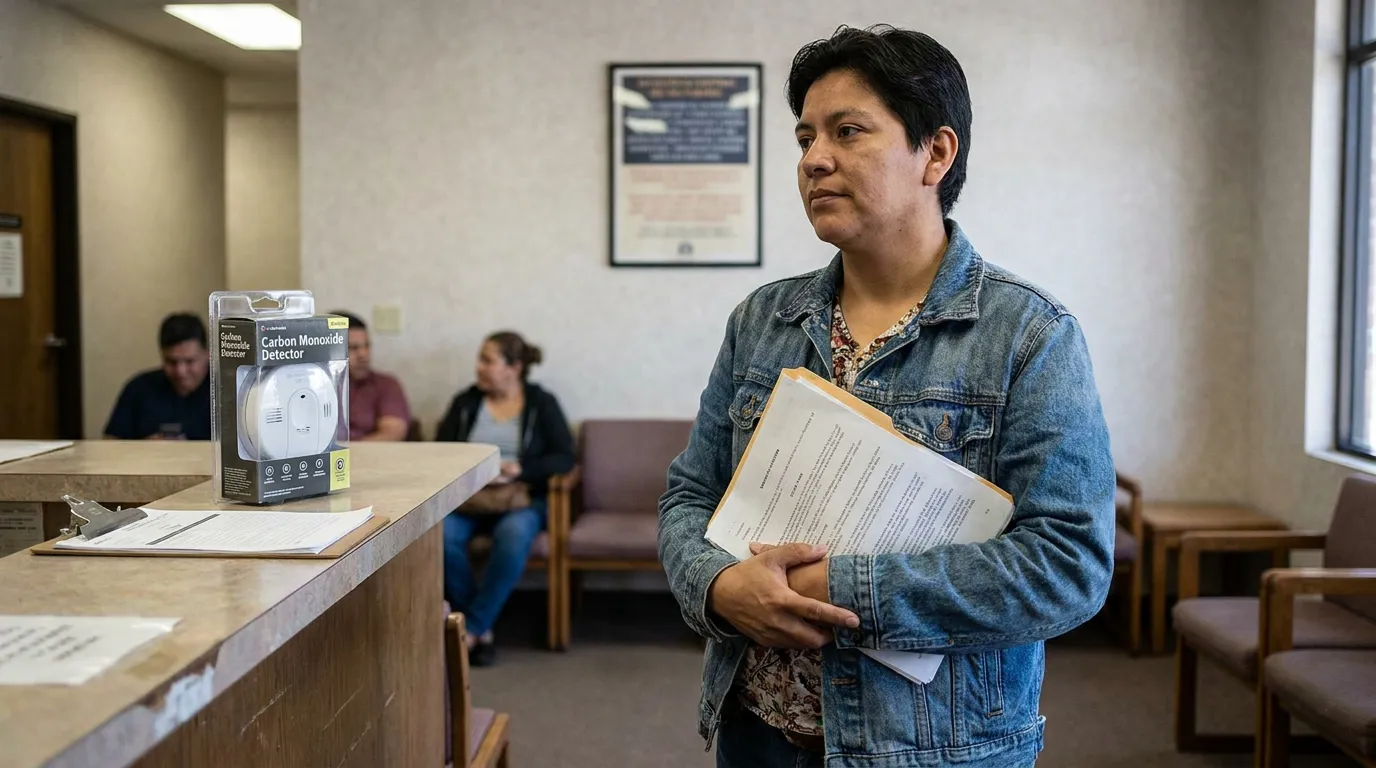
The Short Answer on When You Can Sue a Landlord for CO Poisoning
A San Antonio tenant lawsuit for carbon monoxide poisoning generally succeeds when the landlord had a duty, breached it, and that breach caused serious harm. The right to sue landlord carbon monoxide claims does not depend on proving a specific detector was missing. Instead, it turns on whether the landlord failed to keep the property reasonably safe after being put on notice of a dangerous condition. When a landlord ignores a reported gas smell, malfunctioning water heater, or failing HVAC system and a tenant is poisoned, the law may allow that tenant or their family to hold the landlord accountable.
What Texas Law Actually Says About Carbon Monoxide Detectors in Rentals
The texas carbon monoxide detector law rentals question has a surprising answer: there is no single statewide statute requiring carbon monoxide detectors in every rental unit. Unlike smoke alarms, Texas does not impose a uniform statewide rule mandating detectors in all circumstances. Requirements can depend on local building codes, the presence of fuel-burning appliances, or an attached garage.
This distinction is where accuracy protects victims. Some sources incorrectly claim Texas requires a detector in every bedroom. Knowing exactly what texas rental law requires is the first step in holding a negligent landlord accountable, because it points your claim toward the real source of liability: the duty to repair and common-law negligence.
Smoke Alarms Versus CO Detectors and Why the Difference Matters
The statewide alarm statute in Texas governs smoke alarms, not carbon monoxide detectors. Under Texas Property Code § 92.259(a), a landlord is liable if the landlord did not install a smoke alarm at initial occupancy as required, or does not install, inspect, or repair the smoke alarm within seven days after the tenant gives written notice. That framework shows how Texas treats detector-related landlord failures, though it addresses smoke alarms specifically. Carbon monoxide detectors are not covered by that statute, so rental CO poisoning claims generally rely on the broader duty to repair.
Local San Antonio Codes and Newer Construction
Local codes and newer construction rules can still impose carbon monoxide detector requirements. Some Texas jurisdictions now require carbon monoxide alarms where fuel-burning appliances or attached garages exist, often following International Residential Code provisions. Certain ordinances require a detector within ten feet of each sleeping room when the unit has fuel-burning appliances. Because these rules vary and change, verify the current San Antonio ordinance that applied on the date of your injury.
A San Antonio Landlord’s Duty to Repair Dangerous Conditions
Landlord liability texas claims frequently begin with the statutory duty to repair conditions that threaten a tenant’s health or safety. Under Texas Property Code § 92.052(a), a landlord must make a diligent effort to repair or remedy a condition when the tenant specifies the condition in a notice to the place where rent is paid, is not delinquent in rent, and the condition materially affects the physical health or safety of an ordinary tenant. A carbon monoxide leak from a faulty heating appliance is exactly the hazard this provision was written to reach. Review the controlling text in the Texas Property Code.
Notice and reasonable time are central to protecting your tenant rights. The law recognizes a rebuttable presumption that seven days is reasonable time to repair. Under Texas Property Code § 92.052(b), a landlord generally has no duty to repair a condition caused by the tenant, occupant, family member, or guest, unless it results from normal wear and tear.
Landlords cannot simply sign away this responsibility in a lease. Under Texas Property Code § 92.0561(g), the landlord’s duty to repair or remedy covered health-and-safety conditions may not be waived except as narrowly provided by statute.
💡 Pro Tip: Put every repair request in writing, keep a dated copy, and send it to the exact place where you pay rent. That single step can satisfy the notice requirement the statute demands.
Proving Your Rental CO Poisoning Claim: Duty, Breach, Causation, and Damages
A co poisoning lawsuit is a negligence case, which means you must plead and prove specific elements. Carbon monoxide injuries generally fall within premises-liability negligence. A poisoning from a defective appliance or ventilation system is typically treated as a premises defect. The four building blocks are duty, breach, causation, and damages.
Who You Can Hold Accountable
Liability for a rental co poisoning is not limited to the property owner alone. The central test in Texas is whether a party occupies and controls the property. Others who possess or control the premises may share responsibility:
- The property owner or landlord who failed to repair a known hazard
- A property management company that controlled maintenance decisions
- An HVAC contractor whose negligent installation or service created the leak
- A manufacturer of a defective furnace, water heater, or carbon monoxide detector
Identifying every accountable party matters when a corporate defendant or insurer tries to shift blame. Paula Wyatt is a nationally recognized catastrophic-injury and wrongful-death trial lawyer, honored among the Top 10 Trucking Trial Lawyers, and she is not intimidated by well-funded corporate defendants. That trial readiness forces insurers to take serious poisoning cases seriously.
Evidence That Wins CO Cases
Rental negligence cases are won or lost on evidence, so preservation begins immediately. The proof that carries the most weight includes written repair notices, maintenance and service logs, inspection reports, medical records documenting carboxyhemoglobin levels and neurological injury, and qualified expert testimony connecting the exposure to the source. Together, these records show what the landlord knew and when. See our explanation of premises liability claim principles in carbon monoxide cases.
Damages You May Recover, Including Wrongful Death
A serious carbon monoxide injury can justify substantial compensation. Under Texas Property Code § 92.0563, a tenant may recover actual damages, a civil penalty of one month’s rent plus $500, court costs, and attorney’s fees in qualifying repair suits. Punitive damages may be available where the landlord’s conduct is intentional, malicious, or grossly negligent. In severe personal-injury and wrongful-death cases, recoverable damages generally include:
- Past and future medical care for permanent neurological or cardiac injury
- Lost wages and diminished earning capacity
- Physical pain, mental anguish, and loss of quality of life
- Wrongful death damages for a grieving family, including loss of companionship
Carbon monoxide causes anoxic brain injury, lasting cognitive deficits, and death. When a family loses a loved one because a landlord ignored a deadly hazard, the value of that loss deserves a relentless advocate, not a quick, discounted resolution.
The Deadline to File: Texas Statute of Limitations
A statute of limitations sets a firm deadline, and missing it will likely bar your claim entirely. In Texas, personal-injury and property-damage claims generally carry a two-year limitations period, while contract-based claims generally carry a four-year period. Review a plain-language overview of Texas statutes of limitations for civil lawsuits before you act.
Exceptions exist, but courts interpret them narrowly. Because the timeline can turn on facts unique to your situation and evidence disappears quickly, speak with a lawyer as soon as possible.
Frequently Asked Questions
Does Texas require carbon monoxide detectors in rental units? There is no single statewide mandate requiring a carbon monoxide detector in every rental unit. Liability generally rests on the landlord’s duty to repair dangerous conditions and on local codes that may apply to newer construction or units with fuel-burning appliances.
Who can I sue after a rental CO poisoning in San Antonio? Depending on who controlled the property, you may pursue the landlord, a property management company, an HVAC contractor, or the manufacturer of a defective appliance or detector.
How long do I have to file a CO poisoning lawsuit in Texas? Personal-injury claims generally must be filed within two years, while contract-based claims carry a four-year deadline. Confirm your specific deadline promptly.
What evidence do I need to prove my landlord was negligent? Strong claims rely on written repair notices, maintenance logs, inspection reports, medical records, and qualified expert testimony linking the exposure to the hazard.
What if the lease says the tenant is responsible for repairs? Under Texas Property Code § 92.0561(g), a landlord generally cannot waive the statutory duty to repair health-and-safety conditions, so such lease language may not shield the landlord from liability.
Standing With San Antonio Families After the Unthinkable
A carbon monoxide poisoning is a life-altering event, and the texas carbon monoxide detector law rentals framework gives injured tenants real avenues to hold negligent landlords accountable. The law rewards accuracy, urgency, and thorough evidence. When you understand the duty to repair, the negligence elements, the defendants who may share fault, and the filing deadline, you are in a far stronger position to demand full and fair compensation.
You deserve a fierce advocate in your corner, and Wyatt Law Firm is ready to fight for maximum compensation on your behalf. We stand with the injured and the grieving, we take these cases on a contingency-fee basis so you owe nothing unless we win, and we do not back down from insurers or corporate defendants. Learn how Wyatt Law Firm can stand and fight for your family today.