
When Carbon Monoxide Takes a Loved One in San Antonio
A fatal carbon monoxide leak can leave a family with grief, unanswered questions, and a deadline running in the background. Wyatt Law Firm has fought for injured people and grieving families since Paula Wyatt founded the firm in 1990. In its 36th year, the firm brings that experience to Texas carbon monoxide wrongful death cases. A good carbon monoxide wrongful death lawyer in San Antonio does more than explain the law. That lawyer looks into why a heater, furnace, or appliance filled a home with poison, identifies who may be responsible, and works to hold them accountable.
If your family is living with this loss, you do not have to face the people responsible on your own. Wyatt Law Firm offers free consultations to families who lost a loved one in the San Antonio area. Call 210-340-5550 or contact us now to talk with our team about what happened.
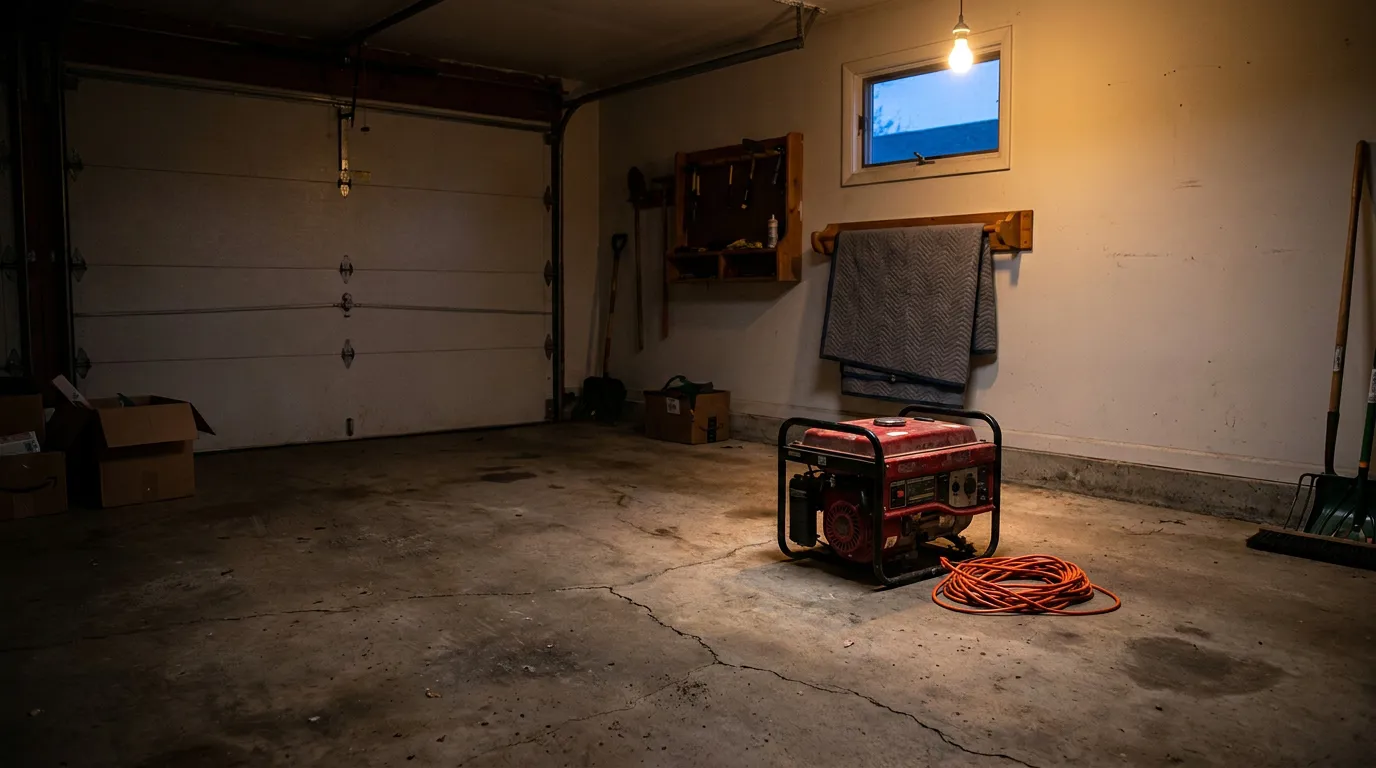
How a Cracked Heat Exchanger Carbon Monoxide Leak Becomes a Wrongful Death Case
A cracked heat exchanger is one of the most dangerous hidden defects in a home heating system. When the metal barrier inside a furnace fails, combustion gases can mix with the air blowing through the vents. Because carbon monoxide has no color or smell, a family may notice only headaches, nausea, or confusion before it is too late. Exposure can also cause permanent brain injury in survivors.
Texas law allows a civil claim when a death is caused by the "wrongful act, neglect, carelessness, unskillfulness, or default" of another, if the person who died could have sued for the injury had they lived. The state’s wrongful death statute, Tex. Civ. Prac. & Rem. Code § 71.002, sets out this claim. A wrongful death action is a civil case. Under Tex. Civ. Prac. & Rem. Code § 71.006, it is not precluded by, and can proceed separately from, any criminal prosecution arising from the same conduct.
Who Can Bring the Claim
Under Tex. Civ. Prac. & Rem. Code § 71.004, the surviving spouse, children, and parents of the person who died may bring a wrongful death action. They may file individually or together, but the action benefits all of them. If none files within three calendar months of the death, the executor or administrator of the estate must bring the claim, unless every one of those family members asks them not to.
Who May Be Held Responsible
Depending on the facts, several parties may share responsibility for a fatal leak. Possible defendants include:
- Landlords and property managers who failed to repair a known heating hazard
- Manufactured home community operators
- Furnace, heater, or appliance manufacturers
- HVAC contractors who installed or serviced the system carelessly
- Hotel operators and commercial property owners
💡 Pro Tip: Do not let anyone remove, repair, or throw away the furnace, water heater, or appliance involved. The physical equipment is often the most important evidence in the case.
What Texas Property Law Requires of Landlords
Texas landlords have a legal duty to repair certain dangerous conditions, and that duty is often central to rental carbon monoxide cases. Under Tex. Prop. Code § 92.052(a), a landlord must make a diligent effort to repair a condition when the tenant gave notice to the person or place where rent is normally paid, the tenant was not behind on rent, and the condition materially affects the physical health or safety of an ordinary tenant. A furnace leaking carbon monoxide will usually meet that standard. The full text of Texas Property Code Chapter 92 contains these rules.
Notice does not always have to be written. Under Tex. Prop. Code § 92.052(d), notice must be in writing only if the lease is in writing and requires written notice. Texts, emails, and repair requests about heating problems, odors, or ongoing headaches may show that the landlord knew about the danger. For more on renter claims, read our guide on whether a San Antonio tenant can sue a landlord after a rental CO poisoning.
Lease Clauses and Common Defenses
A lease clause generally cannot shift heating-system safety onto the tenant. Under Tex. Prop. Code § 92.006, the landlord’s repair duties and the tenant’s remedies for health and safety conditions generally cannot be waived. Narrow exceptions exist. For example, a landlord who owns only one rental dwelling may shift certain repair duties to the tenant if strict written-lease requirements are met.
Defendants may argue that the tenant caused the problem. Under Tex. Prop. Code § 92.052(b), unless the condition came from normal wear and tear, a landlord does not have to repair a condition caused by the tenant, a lawful occupant, a family member, or a guest. A thorough technical investigation into why the heating system failed can therefore decide the case.
Manufactured home communities follow similar but separate rules. Under Tex. Prop. Code § 94.153, a community landlord must make a diligent effort to repair a condition that materially affects health or safety, as long as the tenant gave notice and was not behind on rent. That duty generally does not cover conditions inside or on a manufactured home the tenant owns. Who owns the faulty equipment can shape who is liable, or point the claim toward a manufacturer or contractor.
Families should also know what the Property Code does not say. Tex. Prop. Code §§ 92.258 and 92.259 apply only to smoke alarms. Texas has no general statewide carbon monoxide alarm requirement for rental homes, so any detector claim may depend on local codes, product defects, or general negligence principles.
💡 Pro Tip: Save your loved one’s phone and email account access. Old messages to a landlord or maintenance office may be the strongest proof that someone reported the danger before the death.
What 36 Years and a Proven Track Record Mean for Your Family
Experience matters because carbon monoxide cases are won or lost on technical proof and early preservation of evidence. Paula Wyatt founded Wyatt Law Firm in 1990, and the firm reports more than 40 years of combined legal experience in Texas injury claims. Over that time, its lawyers have watched defendants and insurers try to blame victims, dispute causation, and let evidence disappear.
The firm’s past results show it is willing to take on powerful defendants. Wyatt Law Firm reports a past $15 million result in a carbon monoxide poisoning case and a past $10.2 million result in a wrongful death car accident case. The firm says it has recovered over $1 billion for injury victims. These are past results. Every case depends on its own facts, and no outcome can be promised.
Paula Wyatt has also been named a Top 10 Trucking Trial Lawyer in the Nation. Trucking cases are a different practice area, but the recognition reflects her reputation for preparing cases for trial against corporations and their insurers. That approach carries over to carbon monoxide claims against landlords, manufacturers, and contractors.
The Deadline Families Cannot Ignore
Texas generally gives families two years to file a wrongful death lawsuit. Under Tex. Civ. Prac. & Rem. Code § 16.003(b), a wrongful death claim accrues on the date of death, which is not always the date of exposure. A related survival claim brought by the estate has its own accrual rules, and claims against government entities or product manufacturers may carry additional notice requirements or deadlines. Courts interpret exceptions narrowly, and families should not assume any extension applies.
Damages may include several categories of loss. In a wrongful death claim, family members may seek lost financial support, loss of companionship and guidance, and mental anguish. In a related survival claim, the estate may seek pre-death medical expenses, conscious pain and suffering, and funeral costs. Read more about our carbon monoxide poisoning cases to learn how these claims are built.
💡 Pro Tip: Request copies of the death certificate, autopsy report, and any fire department or utility company records early. These documents often confirm carbon monoxide as the cause of death.
Why You Should Choose Wyatt Law Firm
Families choose Wyatt Law Firm because it brings both experience and determination to the darkest moments of their lives. The firm listens to each client’s account, documents their suffering, and works to maximize compensation. Its lawyers prepare every case thoroughly, whether it resolves in mediation or goes to trial. Here is what the firm offers:
- 36 years serving injury victims since its 1990 founding in San Antonio
- A reported past $15 million carbon monoxide poisoning result
- A willingness to take on powerful corporate interests that harm working families
- Free consultations for families throughout Texas
Frequently Asked Questions
Common Questions About Carbon Monoxide Cases in San Antonio, Texas
1. Who can file a wrongful death claim after a fatal CO leak?
The surviving spouse, children, and parents have standing under Tex. Civ. Prac. & Rem. Code § 71.004. If none files within three calendar months, the estate’s executor or administrator must file unless all of them ask that it not be filed.
2. How long do we have to file?
In most cases, families have two years from the date of death under Tex. Civ. Prac. & Rem. Code § 16.003(b). Exceptions are narrow, and some claims have shorter notice requirements, so families should speak with a lawyer promptly.
3. Can a lease clause stop us from suing the landlord?
Generally, no. Tex. Prop. Code § 92.006 bars most waivers of the landlord’s duty to repair health and safety hazards, though limited exceptions exist.
4. Does a criminal case have to happen first?
No. A wrongful death action is a civil case. It may proceed independently of any criminal prosecution arising from the same conduct.
Standing With Texas Families After the Unthinkable
A fatal carbon monoxide leak is often a preventable tragedy, and Texas law gives grieving families a path to accountability. Landlord repair duties, product defect claims, and contractor negligence may all play a part, but strict deadlines and technical proof make early action important. Wyatt Law Firm’s 36 years of fighting for victims give families an experienced advocate ready to demand answers.
Your family deserves the truth about what happened and a fighter who will pursue it. Reach out to Wyatt Law Firm for a free consultation. Call 210-340-5550 or schedule your consultation today.
Disclaimer: This content is for informational purposes only and is not legal advice. Every case is unique, and results may vary. Consult an attorney about your specific circumstances.