
When a Texas Oilfield Turns Deadly: Understanding Your Rights
Key Takeaways: Texas led the nation with 219 oilfield worker deaths, reflecting the extraordinary dangers of the state’s energy industry, where blowouts cause severe burns, traumatic brain injuries, amputations, and death. Most blowout injuries stem from preventable failures like poorly maintained blowout preventers, ignored pressure warnings, and inadequate training. Multiple parties, operators, contractors, manufacturers, and service companies, may share fault under Texas’s proportionate responsibility framework. Injured workers and grieving families often have more than one path to recovery, including third-party negligence claims alongside workers’ compensation benefits. Texas law allows victims to pursue economic, noneconomic, and exemplary damages, with surviving family members able to bring wrongful death and survival claims under Chapter 71. A strict two-year statute of limitations applies to both personal injury and wrongful death claims, with exceptions interpreted narrowly, making prompt action critical. With complex liability rules and firm deadlines, experienced legal guidance, such as that offered by Paula Wyatt and Wyatt Law Firm, is essential to holding negligent operators accountable.
Texas led the nation with 219 oilfield worker deaths, a grim distinction that reflects the sheer scale and danger of the state’s energy industry. Behind that number are real families who lost loved ones to preventable catastrophes on rigs and well sites. For workers who survived a blowout with life-altering injuries, and for families grieving a fatality, the path forward can feel impossible to navigate. Texas law gives victims and their loved ones meaningful options to pursue accountability and compensation.
If you or someone you love has been harmed in a catastrophic oilfield incident, Wyatt Law Firm is ready to fight for you. Paula Wyatt has spent decades standing up to corporate defendants and insurance companies on behalf of the injured and the grieving. Call 210-340-5550 or reach out through our secure contact form to discuss your situation today.
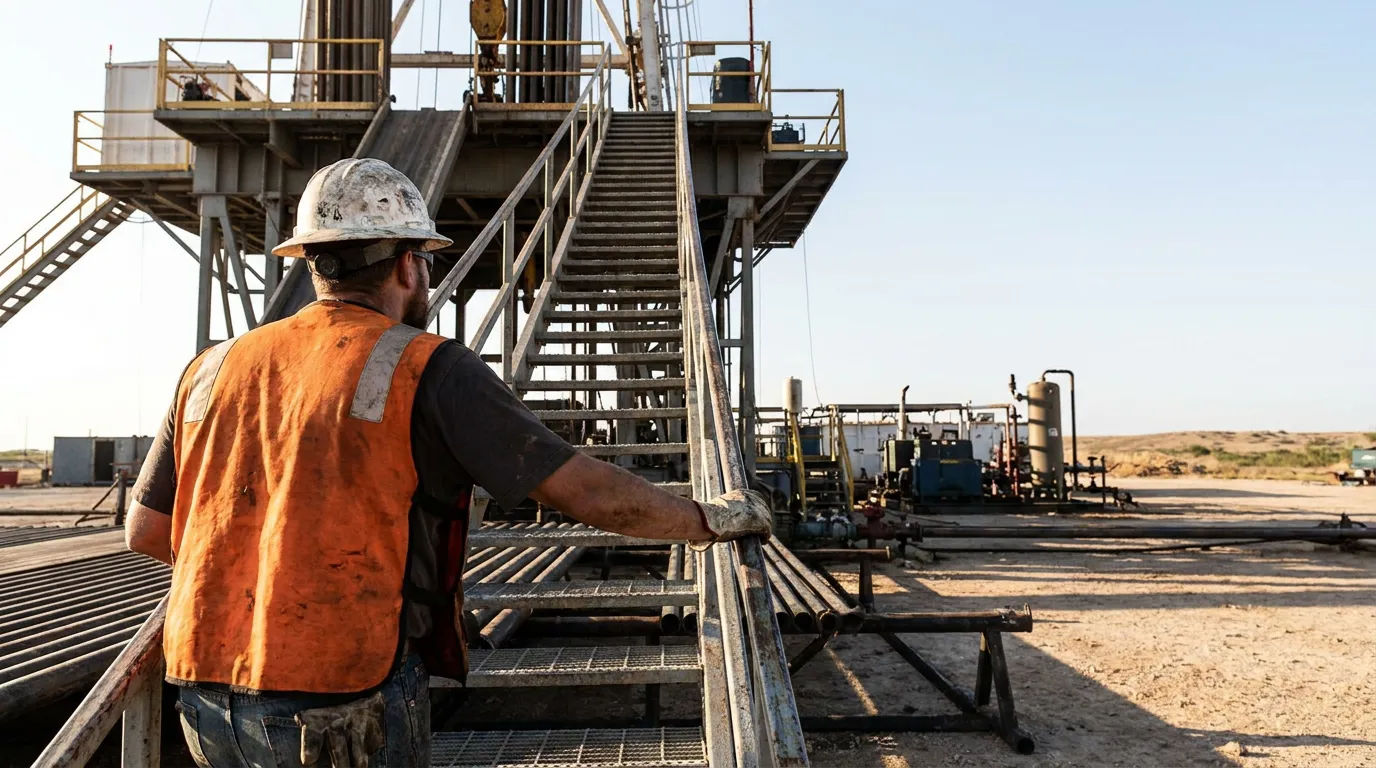
The Human Toll Behind Texas Oilfield Fatality Statistics
Texas oilfield fatality statistics tell a sobering story about the risks workers face every shift. With 219 deaths leading the nation, the numbers confirm what families in the Permian Basin, Eagle Ford, and beyond already know: this work carries extraordinary danger. A blowout occurs when pressure control fails and oil, gas, or drilling fluid erupts violently from a well, often igniting into a deadly fireball.
The physical forces involved in these incidents are staggering. An oil rig blowout can level equipment, throw workers dozens of feet, and cause severe burns, traumatic brain injuries, amputations, and death. These are catastrophic, permanent, and frequently fatal events that upend entire families in an instant.
💡 Pro Tip: After a serious oilfield incident, preserve everything you can, including photographs, incident reports, witness names, and medical records. This evidence can become critical when proving how and why a blowout happened.
What Causes Oil Rig Blowout Injuries
Most oil rig blowout injuries trace back to preventable failures. Blowout preventers that were not maintained, ignored pressure warnings, inadequate worker training, and rushed drilling schedules all contribute to these disasters. When an operator or contractor cuts corners, the workers on the rig floor pay the price.
Common contributing factors in catastrophic oilfield incidents include:
- Defective or poorly maintained blowout prevention equipment
- Failure to monitor well pressure and detect a "kick" in time
- Inadequate training or supervision of crew members
- Explosions and flash fires from ignited hydrocarbons
- Toxic chemical exposure, including hydrogen sulfide gas
Determining who bears responsibility is rarely simple on a modern well site. Operators, drilling contractors, equipment manufacturers, and third-party service companies may all share fault. Texas follows a modified comparative negligence (proportionate responsibility) framework that apportions fault among responsible parties, though a claimant who is found more than 50 percent at fault is barred from recovering. To better understand the layers of potential liability, consult a lawyer about a specific incident.
Holding Operators and Contractors Accountable
A blowout victim in Texas generally has more than one avenue for recovery. Many oilfield workers assume that workers’ compensation is their only option, but that is often not the case. When a party other than the direct employer contributed to the harm, an injured worker or surviving family member may pursue a third-party negligence claim in addition to any available benefits.
Texas workers’ compensation rules also contain protections that many injured workers never learn about. Under Texas Labor Code Section 409.008, if an employer or its insurance carrier had notice or knowledge of a worker’s injury or death but failed to file the required report, the period for filing a claim does not begin to run against the injured employee or a legal beneficiary until that report is actually furnished. Courts examine these situations closely on their specific facts.
Recent legislation has also reshaped liability in emergency response scenarios. Under Texas Natural Resources Code Section 91.953(a), added in 2025, a person who gives assistance in responding to a declared oil or gas emergency is generally immune from civil liability. That immunity does not apply in cases of gross negligence, recklessness, or intentional misconduct, which means serious-fault conduct can still support a recovery for blowout victims.
The Advocate’s Approach to Proving Negligence
Winning a catastrophic oilfield case demands proving negligence, causation, and measurable damages. That means establishing that a responsible party breached safety protocols, that the breach caused the blowout, and that the injuries or death flowed directly from it. Paula Wyatt’s proven track record of confronting powerful corporate defendants reflects the relentless advocacy these cases require.
Damages Available to Blowout Victims and Their Families
Texas law recognizes several categories of damages that catastrophic oilfield victims may pursue. The controlling definitions appear in Texas Civil Practice and Remedies Code Section 41.001, which distinguishes economic, noneconomic, and exemplary damages. Economic damages cover actual pecuniary loss such as lost wages and medical expenses, while noneconomic damages compensate for physical pain and suffering, mental anguish, loss of consortium, and loss of companionship.
Families pursuing wrongful death claims should understand how these categories apply. The statute defines a "claimant" to include a party seeking recovery of damages related to the death of another person. In cases involving grossly negligent operators, families may also seek exemplary damages, which are awarded as a penalty or punishment rather than for compensatory purposes.
| Damage Type | What It Generally Covers |
|---|---|
| Economic | Lost wages, lost earning capacity, medical and funeral costs |
| Noneconomic | Pain and suffering, mental anguish, loss of companionship |
| Exemplary | Penalty against grossly negligent or reckless conduct |
The scope of recoverable harm can extend beyond bodily injury in certain oil-discharge situations. Texas Natural Resources Code Section 40.003 defines "damages" broadly to include compensation for direct, documented loss of or injury to real or personal property and natural resources, along with certain lost income and earning capacity. Whether any particular category applies depends on the specific facts.
Who May Recover After a Fatality
Texas maintains a specific framework for who may pursue a wrongful death or survival claim. Under Chapter 71 of the Texas Civil Practice and Remedies Code, a "plaintiff" is a party seeking recovery for personal injury or wrongful death, and a "derivative claimant" is a person whose damages were caused by the injury to or death of another. This framework determines which surviving family members can pursue a claim.
Deadlines That Can Make or Break Your Claim
Texas imposes a two-year statute of limitations on personal injury and wrongful death claims, and missing it can end a case before it begins. For an injured worker, a suit generally must be filed within two years after the cause of action accrues. For a family after a fatality, the two-year clock generally begins on the date of death.
Certain exceptions and tolling doctrines exist, but Texas courts interpret them narrowly. Tolling and discovery rules do not apply automatically, and whether they apply is fact-dependent and often contested. Because of this uncertainty, it is wise to act well before any deadline rather than assume an extension will be available.
💡 Pro Tip: Civil lawsuit deadlines are separate from any workers’ compensation administrative process. Do not assume that pursuing one preserves your rights in the other.
Frequently Asked Questions
1. How long do I have to file an oil rig blowout wrongful death claim in Texas?
Texas generally allows two years from the date of death to bring a wrongful death claim. This deadline appears in Texas Civil Practice and Remedies Code Section 16.003. Because exceptions are limited and narrowly applied, acting promptly protects your options.
2. Can I sue if I already received workers’ compensation?
In many cases, yes. Workers’ compensation benefits do not necessarily bar a separate third-party negligence claim against a party other than your direct employer. The availability of such a claim depends on who caused the blowout.
3. What if my employer never reported my injury?
That failure can affect the timing of a workers’ compensation claim. Under Texas Labor Code Section 409.008, the filing period may not begin to run until a required report is furnished, subject to the statute’s conditions. Courts review these arguments closely.
4. Can families recover punitive damages after an oilfield death?
Under certain circumstances, yes. Exemplary damages may be available where an operator’s conduct rises to gross negligence or recklessness. Whether the facts support such a claim is determined case by case.
5. How do I find a qualified oilfield injury lawyer in Texas?
Look for a firm with a proven track record in catastrophic injury and wrongful death cases. Reviewing a firm’s experience with serious oil field injuries San Antonio families rely on can help you make an informed choice. You may also research an attorney’s background through the State Bar of Texas.
Standing With Texas Oilfield Families
The tragedy behind 219 oilfield deaths is not just a statistic; it is a call to hold negligent operators and contractors accountable. Texas law gives blowout victims and grieving families real options, from third-party negligence claims to exemplary damages against reckless conduct, but strict deadlines and complex liability rules make experienced guidance essential. Outcomes always depend on the specific facts, and no result can be guaranteed. What families can count on is a fierce advocate willing to fight for them.
If a catastrophic blowout has taken a loved one or left you with life-changing injuries, do not face the oil companies and their insurers alone. Contact Wyatt Law Firm today by calling 210-340-5550 or reaching out through our online case review, and let Paula Wyatt stand in your corner.