
The Hidden Dangers Behind Every San Antonio Refinery Shift
Key Takeaways: The deadliest refinery hazards for San Antonio oil workers are catastrophic explosions and flash fires, toxic chemical exposures like hydrogen sulfide and benzene, and falls, confined-space entrapment, and equipment failures that can cause fatal burns, poisoning, or traumatic injury. Texas does not require most private employers to carry workers’ compensation, and even subscribing employers face statutory benefit caps, so injured workers cannot assume coverage is automatic or sufficient. When a third party such as a contractor, equipment manufacturer, or property owner causes the harm, a third-party claim may reach beyond capped benefits to pursue fuller recovery. Texas law penalizes fraudulent claim denials and can toll filing deadlines when an employer fails to report an injury. Non-citizen workers are eligible for compensation, and claim file information remains private.
The deadliest refinery hazards for San Antonio oil workers are catastrophic explosions, flash fires, toxic chemical releases, and high-energy equipment failures that cause fatal burns, respiratory damage, or traumatic injury. Refineries process volatile hydrocarbons under extreme heat and pressure, and a single safety failure can turn an ordinary shift into tragedy. For workers who keep Texas energy flowing, risks are measured in severe burns, lost limbs, and lives cut short. Understanding these hazards is the first step toward holding negligent operators, contractors, and insurers accountable.
If you or someone you love has been catastrophically injured in a refinery accident, the team at Wyatt Law Firm is ready to fight for you. Call us now at 210-340-5550 or reach out through our confidential case review to protect your rights today.
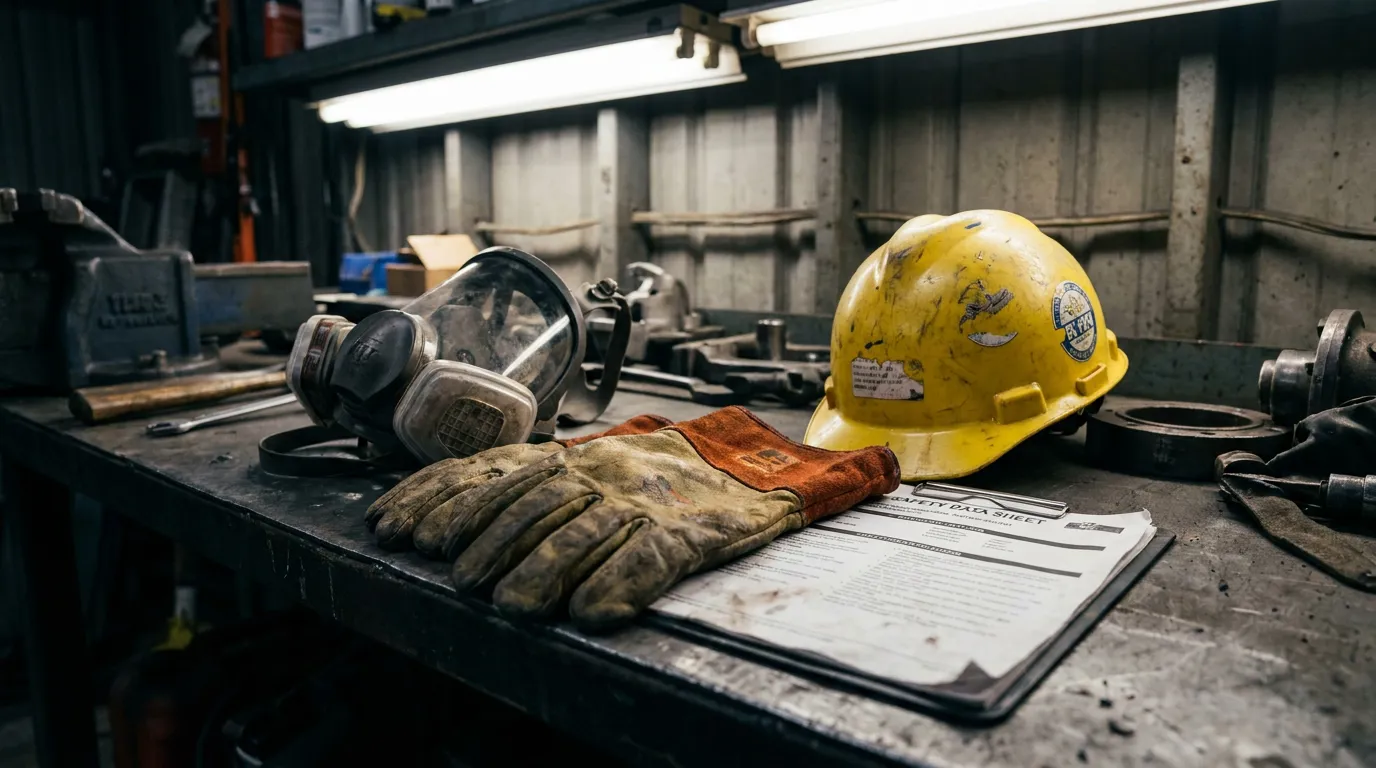
The Deadliest Refinery Hazards Facing Texas Oil Workers
Refinery work concentrates some of the most dangerous conditions in American industry into a single site. The combination of flammable materials, pressurized systems, and around-the-clock operations means that safety protocol failures often produce catastrophic rather than minor consequences. Below are the hazards that most often lead to permanent disability or death among Texas refinery crews.
Explosions and Flash Fires
Explosions and flash fires remain the signature catastrophe of the refining industry. A ruptured line, an ignition source near vapor buildup, or a runaway reaction can release enormous destructive force in seconds. Workers caught in a refinery explosion in San Antonio often suffer third-degree burns, blast trauma, hearing loss, and inhalation injuries requiring months of hospitalization and multiple surgeries. Recovery is frequently permanent.
Toxic Chemical Exposure
Toxic chemical exposure kills and disables refinery workers even when no fire ignites. Hydrogen sulfide, benzene, and other process chemicals can overwhelm a worker in confined spaces or during uncontrolled releases, causing acute poisoning, chemical burns, or long-term organ damage. Because many substances are colorless or odorless at dangerous concentrations, workers may not realize they are being harmed until it is too late. Texas oil refinery accidents involving exposure often trigger complex questions about who controlled the site and who failed to provide adequate protective equipment.
Falls, Confined Spaces, and Equipment Failure
Falls from height, confined-space entrapment, and mechanical failures round out the deadliest categories of refinery worker injuries in San Antonio. Towering process units, scaffolding, and elevated platforms create fall risks that can cause spinal cord damage or traumatic brain injury. The most severe outcomes typically involve:
- Fatal falls from unguarded platforms or corroded structures
- Asphyxiation or engulfment inside tanks and confined spaces
- Crushing injuries and amputations from unguarded or malfunctioning machinery
- Steam and thermal burns from ruptured high-pressure lines
If you believe a job site is unsafe before disaster strikes, Texas offers a reporting resource.
If you believe your work environment is unsafe, you can contact the Safety Violations Hotline at 800-452-9595, or send an email to the state, and reports are taken in both English and Spanish and you don’t have to give your name.
How Texas Workers’ Compensation Applies to Oil Refinery Injuries
Texas treats workers’ compensation as a no-fault system, but coverage is not guaranteed. Workers’ compensation is a state-regulated insurance program that pays medical bills and replaces a portion of lost wages for employees hurt on the job. Injuries are generally covered without regard to fault when sustained in the course and scope of employment, including hazards encountered during refinery duties and work-related travel. Coverage extends to non-citizen employees, an important protection given the diverse workforce across the region.
The critical catch is that Texas does not require most private employers to carry this coverage. Unlike other states, Texas allows private employers to choose whether to subscribe, with limited exceptions for public entities and certain government construction contractors. A significant share of the Texas workforce has gone uncovered, meaning an injured refinery worker cannot assume benefits are automatic. When an employer does subscribe, the law caps the amount and type of compensation available. That ceiling is why oil refinery injuries so often require examining other legal avenues.
💡 Pro Tip: After a serious refinery injury, request written confirmation of whether your employer is a workers’ compensation subscriber. That single fact can dramatically change which legal options may be available to you.
When a Third-Party Claim Becomes Your Path to Full Recovery
Workers’ compensation is generally the exclusive remedy against a covered employer, but it rarely tells the whole story at a refinery. Under the Texas Workers’ Compensation Act, benefits are typically the exclusive remedy against a subscribing employer for work-related injury or death. Refineries, however, are crowded with third parties: equipment manufacturers, maintenance contractors, staffing companies, and property owners who owe their own duties of care. When one of those outside parties causes catastrophic refinery injuries in Texas, an injured worker may pursue a third-party claim that reaches beyond capped comp benefits.
Third-party claims are where the fight over negligence, causation, and damages truly begins. Proving that a contractor breached safety protocols or that a defective valve caused a refinery explosion in San Antonio requires preserving evidence quickly and understanding layered relationships on a refinery site. Determining fault after a fire is rarely simple, which is why it helps to work with a San Antonio refinery accident lawyer who knows how these cases are built. Liability shields in the oil industry are not absolute, and gross negligence and third-party responsibility often remain viable even where limited immunity applies.
Legal Protections When an Insurer or Employer Wrongly Denies a Claim
Refinery injury claims are sometimes wrongly denied, and Texas law provides real consequences for that misconduct. It is an administrative violation to knowingly or intentionally make false statements, misrepresent or conceal material facts, or fabricate or destroy documents to obtain or deny a benefit. Under the Texas fraudulent denial of benefits statute, Texas Labor Code § 415.008, an employer who commits such an act resulting in denial of payments can be held liable for past benefit payments that would otherwise have been payable, plus interest. That accountability matters when a family is drowning in medical bills.
Timing rules can also work in an injured worker’s favor when an employer fails to do its part. Under the Texas tolling provision for employer reports, Texas Labor Code § 409.008, if an employer or its insurance carrier has notice of an injury or death but fails, neglects, or refuses to file the required report, the period for filing a compensation claim does not begin to run until that report is finally furnished. Courts generally interpret tolling exceptions narrowly, and whether they apply depends on specific facts. This protection is not automatic, so injured workers should act promptly rather than assume a deadline has been extended.
Your claim information is also protected as you navigate this process.
Your claim file information is private and only those dealing with your claim have the right to see that information, and for more information you can call DWC customer service at 800-252-7031.
Keep in mind that administrative benefit disputes are separate from any civil lawsuit, and outcomes in one process do not necessarily dictate the other.
Frequently Asked Questions
1. Can I sue my employer directly after a refinery explosion?
Generally, if your employer subscribes to workers’ compensation, those benefits are your exclusive remedy against that employer. However, if your employer does not carry coverage, or if a third party such as a contractor or equipment maker caused your harm, additional claims may be available.
2. What if my employer never reported my injury?
Under Texas Labor Code § 409.008, the deadline to file a compensation claim may not begin running until the employer furnishes its required report. This protection is applied narrowly by courts and depends on circumstances, so seek guidance quickly rather than rely on it.
3. Are non-citizen refinery workers eligible for compensation?
Yes, Texas law does not require a worker to be a U.S. citizen to be entitled to compensation. Coverage eligibility turns on the employment relationship and whether the injury occurred in the course and scope of work, subject to statutory conditions.
4. What compensation may be available for catastrophic burn injuries?
Available recovery can include medical expenses and a portion of lost wages through workers’ compensation, subject to statutory caps. A third-party claim, where one exists, may allow for broader damages, though outcomes depend on specific evidence and parties involved.
Standing With San Antonio Refinery Families in Their Hardest Moments
The deadliest refinery hazards leave families facing overwhelming medical bills, permanent disability, and grief that no benefit check can fully address. Explosions, toxic exposure, and equipment failures demand a response beyond a capped insurance payout, and Texas law provides real tools to hold negligent parties accountable when used correctly. Paula Wyatt has built a reputation as a relentless advocate for the injured and the grieving, drawing on extensive experience confronting corporate defendants and insurers. If you are searching for answers about oil refinery injuries, you deserve a firm that treats your fight with the gravity it demands, and you can learn more about how we handle these cases as your oilfield injury attorney Texas team.
You do not have to face the aftermath of a catastrophic refinery injury alone. Contact Wyatt Law Firm today by calling 210-340-5550 or requesting your free consultation now so we can start fighting for the accountability and recovery your family deserves.