
Understanding the Causes of an Oil Rig Blowout in the Permian Basin
An oil rig blowout is one of the most violent and deadly events on a drilling site, and workers in the Midland-Odessa region face this danger daily. A blowout occurs when underground pressure overwhelms the well’s control systems, sending oil, gas, drilling mud, or toxic chemicals surging uncontrollably to the surface. In the Permian Basin, where thousands of wells penetrate high-pressure formations like the Wolfcamp and Delaware, blowouts cause catastrophic burns, traumatic brain injuries, amputations, and death.
If a blowout has turned your life upside down, Wyatt Law Firm is ready to fight for you. Call Paula Wyatt at 210-340-5550 or reach out to our team today for a case evaluation.
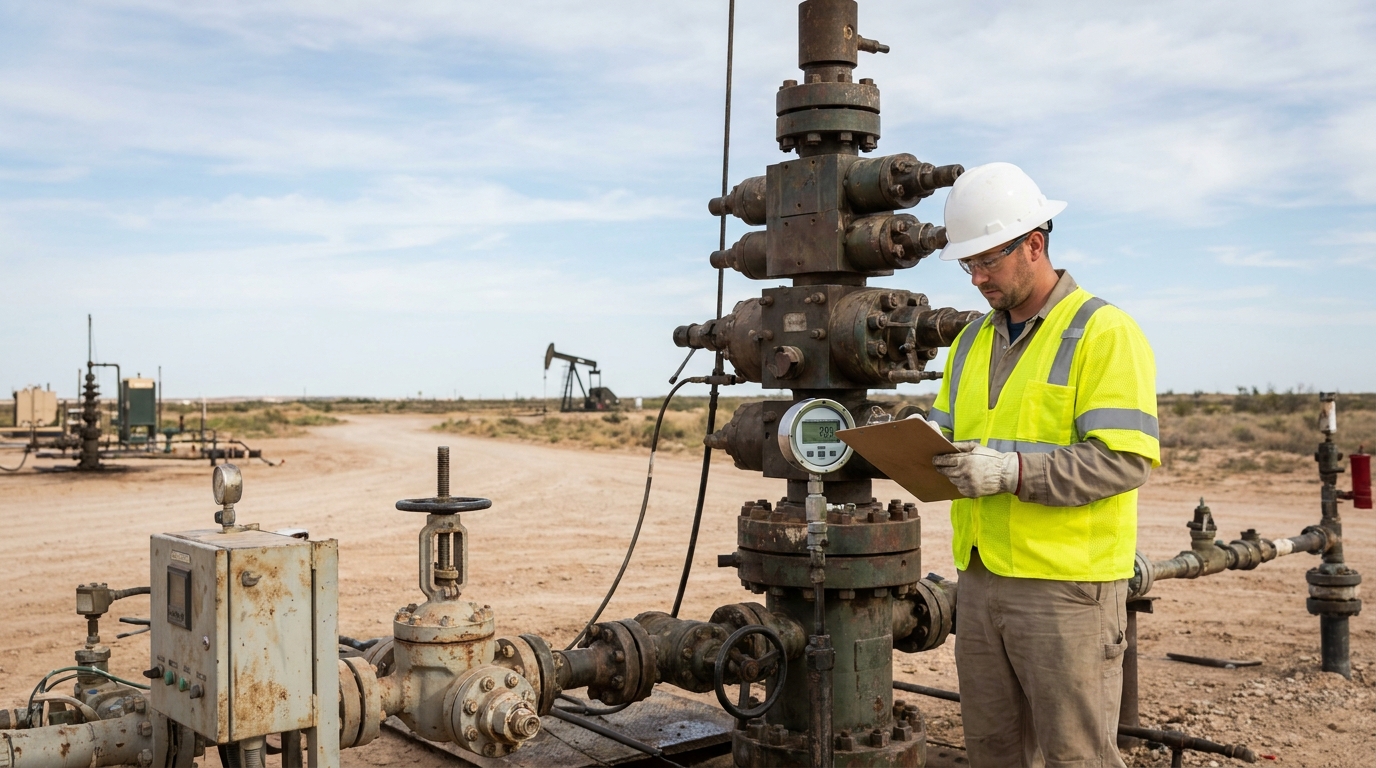
Blowout Preventer Failure: A Deadly Equipment Breakdown
The blowout preventer (BOP) is the last line of defense between workers and an uncontrolled well, and when it fails, the consequences are catastrophic. Railroad Commission of Texas (RRC) incident records document recurring cases where failed rams, washed-out BOPs, and broken components directly caused uncontrolled releases. In Permian Basin incidents, stuffing boxes have blown out due to washed-out BOPs and rams, while bent tubing has prevented crews from closing BOPs.
Texas Statewide Rule 13, codified at §3.13(a)(6)(B)(vii), requires all well control equipment to be consistent with API Standard 53 for BOP Equipment Systems for Drilling Wells. The rule mandates BOP control equipment certification as operable under manufacturer specifications. When operators cut corners on inspection, maintenance, or certification, they violate state regulations and endanger workers’ lives.
💡 Pro Tip: If you were on-site during a blowout, document everything about the BOP and safety equipment condition before the incident. Notes about broken parts, skipped inspections, or ignored alarms can become critical evidence.
Wellhead Mechanical Failures That Trigger Blowouts
Broken flanges, corroded valves, and deteriorated wellhead components cause a disturbing number of Permian Basin blowouts. RRC records describe incidents where wellhead failure launched tubing and entire wellheads into rig crowns. In other cases, poor wellhead and tubing condition worsened during remedial work, causing total wellhead loss and uncontrolled release.
Operators have a legal duty to maintain wellhead integrity, and failure to do so exposes them to significant liability. Texas Natural Resources Code Chapter 91 governs oil and gas well operations, assigns the RRC authority to adopt and enforce drilling and production rules, and authorizes enforcement actions including civil penalties under Chapters 81 and 85 for operators who fail to comply with well safety requirements. When aging or poorly maintained equipment leads to catastrophic blowouts, injured workers and families may pursue claims against responsible parties.
💡 Pro Tip: Workers’ compensation may cover some losses, but it does not prevent you from filing a separate third-party claim against a negligent operator, contractor, or equipment manufacturer. These third-party claims often yield significantly greater compensation.
High-Pressure Zones and Gas Kicks During Drilling
Unexpected encounters with high-pressure formations are among the most dangerous moments in Permian Basin drilling operations. Gas kicks occur when formation pressure exceeds drilling fluid hydrostatic pressure, allowing gas to enter the wellbore and surge surfaceward. RRC incident descriptions reveal operators unprepared for heavy flow or who received repeated gas kicks that escalated into full blowouts.
The Wolfcamp and Delaware formations underlying the Midland-Odessa region are known for unpredictable pressure pockets, making proper well planning and mud-weight management essential. When operators fail to conduct adequate geological assessments or ignore warning signs, they place rig crews in mortal danger.
The Danger of Workover and Completion Operations
Some of the most severe blowouts occur during workover and completion activities like fracture stimulation, plug drilling, and tubing pulling. These operations require removing or modifying well barriers, creating vulnerability windows where well control loss becomes far more likely. In one Reeves County incident, a recently fractured well blew out after kill plugs failed. In another, workers had removed a wellhead during workover when the well kicked and blew out violently.
For workers on-site during these high-risk phases, injuries are often life-altering: severe burns, spinal cord damage, and fatal toxic gas exposure. The dangers of well blowouts during completion operations demand rigorous safety protocols. When companies rush through these procedures to save time and money, workers pay the price.
💡 Pro Tip: If a loved one died in an oilfield blowout, Texas law generally allows surviving family members to pursue a wrongful death claim. Time limits apply, so consulting an attorney promptly helps protect your rights.
Inter-Well Communication: A Hidden Blowout Risk
In densely drilled areas like the Permian Basin, fracturing operations on one well can pressurize a nearby offset well and trigger an unexpected blowout. This phenomenon, known as inter-well communication or "frac hits," has caused documented incidents across Texas. In one case, a fracturing job on a neighboring well caused casing pressure to spike on an offset well, overwhelming stuffing box seals and leading to uncontrolled release.
Workers on offset wells often have no warning that a nearby frac job is about to send dangerous pressure into their wellbore. Operators who fail to monitor and protect offset wells during nearby stimulation activities may bear liability for resulting injuries.
| Blowout Cause | How It Happens | Common Injuries |
|---|---|---|
| BOP / Equipment Failure | Failed rams, washed-out components, broken stuffing boxes | Severe burns, blast injuries, death |
| Wellhead Mechanical Failure | Corroded valves, broken flanges, deteriorated components | Crush injuries, traumatic amputations, TBI |
| High-Pressure Gas Kick | Unexpected formation pressure overwhelms drilling fluid | Chemical burns, respiratory damage, death |
| Workover / Completion Failure | Barrier removal during frac, plug drill, or tubing pull | Spinal cord injury, severe burns, death |
| Inter-Well Communication | Nearby frac job pressurizes offset well | Blast injuries, H2S exposure, death |
H2S Exposure: The Invisible Killer on Permian Basin Rigs
Hydrogen sulfide (H2S) is a lethal gas commonly present in Permian Basin blowouts, and it can kill a worker in minutes. RRC records document blowout incidents where H2S concentrations reached 28,000 ppm, prompting evacuations and one-mile safety cordons. In Ector County, an uncontrolled well forced public street shutdown. H2S is colorless at low concentrations and paralyzes the sense of smell at high levels, making detection without proper monitoring equipment nearly impossible.
When an operator knows H2S is present in a formation and fails to implement adequate detection systems, breathing apparatus, and evacuation plans, they endanger every worker on-site. Survivors of H2S exposure may face lifelong neurological impairment. An experienced oilfield accident lawyer can investigate whether proper H2S safety protocols were in place.
💡 Pro Tip: The RRC maintains records of well control problems dating back to 1930. These public records can be valuable evidence when building a case after a blowout.
How Texas Law Holds Negligent Operators Accountable
Texas Natural Resources Code Chapter 91 gives the Railroad Commission authority to regulate well operations and enforce safety standards, but injured workers also have civil remedies available. Operators who violate well plugging, safety, and equipment maintenance requirements face civil penalties. Beyond regulatory enforcement, workers and families harmed by negligent operations may pursue third-party personal injury or wrongful death claims in civil court.
Proving negligence in a Permian Basin blowout case requires showing that the operator or contractor breached a duty of care, and that breach directly caused the worker’s injuries. Evidence may include:
- Failure to maintain or certify BOP equipment as required by Statewide Rule 13, §3.13(a)(6)(B)(vii)
- Inadequate well planning for known high-pressure formations
- Neglected wellhead maintenance or use of corroded components
- Failure to monitor offset wells during nearby fracturing operations
- Absence of H2S detection and emergency evacuation protocols
💡 Pro Tip: Operators and their insurers often move quickly after a blowout to control the narrative and limit evidence. Contacting an attorney before giving recorded statements or signing documents helps protect your legal rights.
Regulatory Oversight and Your Rights
The RRC’s Field Operations division oversees blowout and well control compliance across all Texas oil and gas operations, and you can contact them at 512-463-6830. However, regulatory investigations serve the state’s enforcement interests, not individual injury claims. Filing a complaint with the RRC is separate from pursuing a civil lawsuit. Only a civil claim can secure compensation for medical bills, lost wages, permanent disability, and pain and suffering.
Frequently Asked Questions
1. What is the most common cause of an oil rig blowout in the Permian Basin?
What leads to most Permian Basin blowouts?
BOP and equipment failures, unexpected high-pressure gas kicks, and wellhead mechanical breakdowns are the most frequently documented causes in RRC records. Workover and completion operations also represent particularly high-risk periods. Multiple failures often combine to cause blowouts, indicating systemic negligence.
2. Can I file a lawsuit if I was injured in an oil field blowout in Midland-Odessa?
Your legal options after an oilfield blowout injury
In many cases, yes. While workers’ compensation may apply, you may also have a third-party claim against negligent operators, contractors, or equipment manufacturers. Texas law allows injured workers to pursue compensation for medical expenses, lost earning capacity, permanent disability, and other damages.
3. What role does blowout preventer failure play in oilfield injury claims?
BOP failure as evidence of negligence
BOP failure can serve as powerful negligence evidence. Texas Statewide Rule 13 requires all BOP equipment to be consistent with API Standard 53 specifications and mandates certification of operability under §3.13(a)(6)(B)(vii). Operator failure to maintain, inspect, or certify the BOP may establish liability.
4. How long do I have to file a claim after an oil field injury in Texas?
Time limits for oilfield injury claims
Texas generally imposes a two-year statute of limitations for personal injury claims under Texas Civil Practice and Remedies Code §16.003. Courts interpret tolling exceptions narrowly, so acting promptly preserves evidence and protects your rights.
5. What should I do immediately after a blowout or oilfield accident?
Steps to protect yourself and your claim
Seek emergency medical treatment first. Document the scene if possible, including photographs, witness and supervisor names, and any damaged or improperly maintained equipment. Avoid giving recorded statements to the operator’s insurance representatives before speaking with an attorney.
Protecting Workers and Families After a Catastrophic Blowout
An oil rig blowout can destroy lives in seconds, but the fight for justice and accountability can take much longer. Whether you are recovering from catastrophic burns, coping with permanent disability, or grieving the loss of a loved one killed on a Permian Basin rig, you deserve an advocate who will stand against responsible operators and insurers. Paula Wyatt and the Wyatt Law Firm have a proven track record fighting for victims of devastating oilfield accidents.
Do not face the operators and insurance companies alone. Call Paula Wyatt at 210-340-5550 or contact Wyatt Law Firm now to discuss your case and learn how to protect your rights.