
A third-party claim is a legal action that an injured oilfield worker files against a company or individual other than their direct employer. In the Permian Basin, oil field operations involve numerous contractors, subcontractors, equipment suppliers, and transport companies working on a single well site. When a third party causes a catastrophic injury through negligence, the injured worker may pursue compensation beyond workers’ compensation. Understanding how these claims work, who can be held liable, and the strict deadlines that apply can determine whether you recover meaningful damages.
If you or a loved one suffered a serious oil field injury in Midland-Odessa, Wyatt Law Firm is ready to fight for you. Call 210-972-9279 or contact us today for a case evaluation.
How Third-Party Claims Differ From Workers’ Compensation
Workers’ compensation and third-party claims serve very different purposes for injured oilfield workers. Workers’ compensation is a no-fault system providing limited medical and wage benefits through your employer’s insurance. It generally bars you from suing your employer directly. A third-party claim targets a party other than your employer whose negligence contributed to your injury, allowing you to seek full compensatory damages including pain and suffering, lost future earning capacity, and mental anguish.
The distinction matters when injuries are catastrophic. Amputations from defective equipment, traumatic brain injuries from reckless driving, severe burns from blowouts caused by safety protocol failures: these life-altering outcomes often demand compensation that workers’ comp cannot deliver. A third-party negligence claim opens the door to accountability and damages reflecting the true scope of your losses.
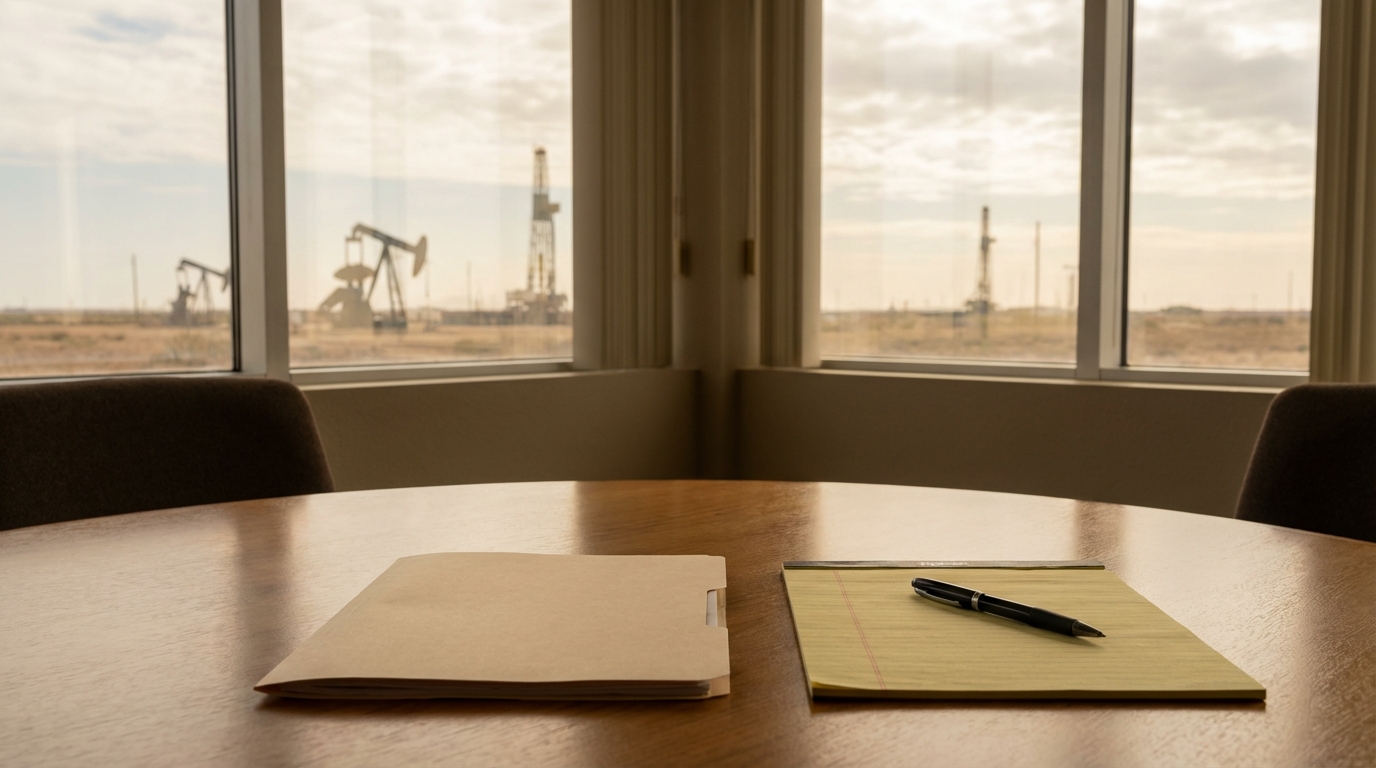
Who Can You File a Third-Party Claim Against in the Permian Basin?
Oil field work sites in Midland-Odessa typically involve multiple companies, and any negligent party may be a potential defendant. Common third parties in oilfield injury lawsuits include equipment manufacturers, trucking and transport companies, well site operators (if not your direct employer), maintenance contractors, and other subcontractors.
Real-world oilfield litigation frequently involves multiple defendants. The Texas appellate case Native Oilfield Services, LLC v. Texas Chrome Transport, Inc., decided by the Tenth Court of Appeals in 2021, involved oilfield services companies, transport companies, and an individual defendant. Multi-party litigation is common in the Permian Basin.
Potential third-party defendants include:
Equipment manufacturers who designed or produced defective machinery
Trucking or transport companies whose drivers caused collisions
Well site operators who failed to maintain safe conditions
Subcontractors responsible for cementing, fracking, or wireline operations
Property owners who knew of hazards and failed to warn or correct them
💡 Pro Tip: Document every company and worker present at the job site on the day of your injury. In multi-contractor environments, identifying all potentially liable parties early strengthens your ability to pursue every available source of compensation.
Why Midland Oilfield Injury Lawyer Representation Matters
Pursuing a third-party claim without experienced counsel puts your case at serious risk. Oilfield companies and insurers typically deploy aggressive defense teams within hours of a serious incident. They may pressure you into recorded statements, rush undervalued settlement offers, or attempt to shift blame onto you or your employer.
A midland oilfield injury lawyer who understands Permian Basin operations can investigate the accident, identify every liable party, and build a case grounded in specific safety regulations. From January 2015 to July 2022, OSHA received reports of over 2,100 severe injuries among oil and gas extraction workers, including amputations, loss of an eye, and inpatient hospitalizations. These numbers reflect the inherent danger and frequency of safety failures.
💡 Pro Tip: Never provide a recorded statement to another company’s insurance adjuster before speaking with an attorney. Anything you say can be used to minimize or deny your claim.
The Statute of Limitations for Oil Field Injury Claims in Texas
Texas law imposes strict deadlines for filing third-party injury claims after an oilfield accident. Under Texas Civil Practice and Remedies Code Section 16.003(a), personal injury lawsuits must generally be filed within two years after the cause of action accrues. This two-year window also applies to property damage claims under Section 16.003(a). Wrongful death claims under Section 16.003(b) must be filed within two years from the date of death, which may differ from the injury date.
Missing the filing deadline can be devastating. Failure to file within the required time generally results in dismissal, and courts typically offer no leniency unless a valid tolling exception applies. For an injured worker or grieving family, losing the right to pursue justice because of a missed deadline compounds an already unbearable situation.
Claim Type | Filing Deadline | Texas Authority |
|---|---|---|
Personal Injury | 2 years from date of injury | Tex. Civ. Prac. & Rem. Code § 16.003(a) |
Property Damage | 2 years from date of damage | Tex. Civ. Prac. & Rem. Code § 16.003(a) |
Wrongful Death | 2 years from date of death | Tex. Civ. Prac. & Rem. Code § 16.003(b) |
💡 Pro Tip: The two-year clock starts on the date of injury for personal injury claims and date of death for wrongful death claims, not when you hire a lawyer or finish treatment. Start the legal process early to preserve evidence and protect your rights.
Tolling Exceptions That May Extend the Deadline
In limited circumstances, Texas law allows the statute of limitations to be paused or “tolled.” The accrual of a cause of action can be delayed by the discovery rule or fraudulent concealment. Tolling may also apply if the injured person is a minor or legally incapacitated, or if the defendant is absent from Texas.
However, courts interpret these exceptions narrowly. The discovery rule applies most commonly to latent injuries where harm was not immediately apparent. For example, a worker exposed to toxic chemicals may not develop symptoms for months or years. In such cases, the statute may not begin running until the injury is discovered or reasonably should have been discovered. Consult the Texas statutes of limitations overview for more detail on civil case filing deadlines.
Proving Third-Party Negligence in an Oilfield Accident
To succeed on a Texas oilfield third-party lawsuit, you must establish that the third party owed you a duty of care, breached that duty, and that the breach directly caused your injuries. This requires thorough investigation, including review of safety logs, maintenance records, training documentation, OSHA citations, and witness interviews.
Negligence in the oilfield context often involves preventable, well-documented failures. A transport company allowing fatigued drivers on oilfield roads, an equipment supplier shipping defective blowout preventers, or a contractor bypassing lockout/tagout procedures: each scenario creates liability. NIOSH maintains a national database tracking fatalities in the U.S. oil and gas extraction industry, monitoring trends and identifying emerging safety issues.
💡 Pro Tip: Preserve all evidence immediately after an injury. Photographs of the scene, equipment, safety signage, and your injuries can become critical proof. Digital evidence on your phone is often timestamped, strengthening its credibility.
What Damages Can You Recover?
A successful third-party claim may allow recovery beyond what workers’ compensation covers. These include past and future medical expenses, lost wages and diminished earning capacity, physical pain and suffering, mental anguish, disfigurement, and physical impairment. In wrongful death cases, surviving family members may recover damages for loss of companionship and support.
The severity of oilfield injuries often means substantial damages. Spinal cord injuries resulting in paralysis, severe burns requiring years of reconstructive surgery, or traumatic brain injuries permanently altering cognitive function all carry long-term costs that full legal recovery must address.
How a Midland Oil Field Accident Lawyer Builds Your Case
Building a strong third-party claim requires combining legal strategy with understanding Permian Basin operations. Your attorney should investigate contractual relationships between companies on site, determine which entities controlled the conditions causing your injury, and identify every available insurance policy.
Early action is critical. Companies involved in oilfield incidents often move quickly to secure evidence and limit exposure. An Odessa oilfield injury attorney who begins work promptly can issue preservation letters to prevent evidence spoliation, retain accident reconstruction consultants, and take depositions before witnesses become unavailable. If you need to understand whether you have a viable third-party claim as an oil field worker, getting legal guidance early protects your rights and evidence.
💡 Pro Tip: Keep a detailed journal of symptoms, medical appointments, and how your injury affects daily life. This contemporaneous record can powerfully support your pain and suffering claim.
Frequently Asked Questions
1. Can I file a third-party claim if I am already receiving workers’ compensation?
Yes, in most cases. Workers’ compensation and third-party claims address different liability sources. Workers’ comp covers injuries regardless of fault through your employer, while a third-party claim targets a negligent outside party. Your employer’s workers’ comp carrier may have a subrogation lien on any third-party recovery.
2. How long do I have to file a third-party oilfield injury lawsuit in Texas?
Texas generally requires personal injury lawsuits be filed within two years from the date the cause of action accrues, under Texas Civil Practice and Remedies Code Section 16.003(a). Limited tolling exceptions may apply, but courts apply these narrowly. Acting quickly preserves both legal rights and evidence.
3. What if I do not know which company caused my injury?
An attorney experienced in Permian Basin injury claims can investigate to identify all responsible parties. Oilfield sites involve complex contractor relationships, and determining liability often requires reviewing contracts, safety records, and site logs. You don’t need to know the responsible party before seeking legal help.
4. What types of injuries support a third-party oilfield claim?
Any serious injury caused by a third party’s negligence may support a claim. Common examples include traumatic brain injuries from falling objects, amputations from equipment malfunctions, spinal cord damage from vehicle collisions, severe burns from explosions or chemical exposure, and crush injuries from heavy machinery.
5. What if the company responsible for my injury is based outside of Texas?
Texas courts may still have jurisdiction over out-of-state companies conducting business in the state. Many oilfield contractors and equipment suppliers operate across state lines but maintain sufficient Texas contacts to be subject to its courts. An attorney can evaluate jurisdictional issues as part of your case.
Protect Your Rights After a Catastrophic Oil Field Injury
Third-party claims give injured oilfield workers and their families a path to full compensation when another company’s negligence causes devastating harm. Texas law provides the framework, but strict deadlines and complex multi-party dynamics demand prompt, informed action. Understanding who may be liable, what damages you can pursue, and how exceptions work strengthens your position to hold negligent parties accountable.
Wyatt Law Firm stands with injured workers and their families across Midland-Odessa and the Permian Basin. If you are facing a life-altering oilfield injury, call 210-972-9279 or reach out online to discuss your case with a team that fights relentlessly for those who need it most.